

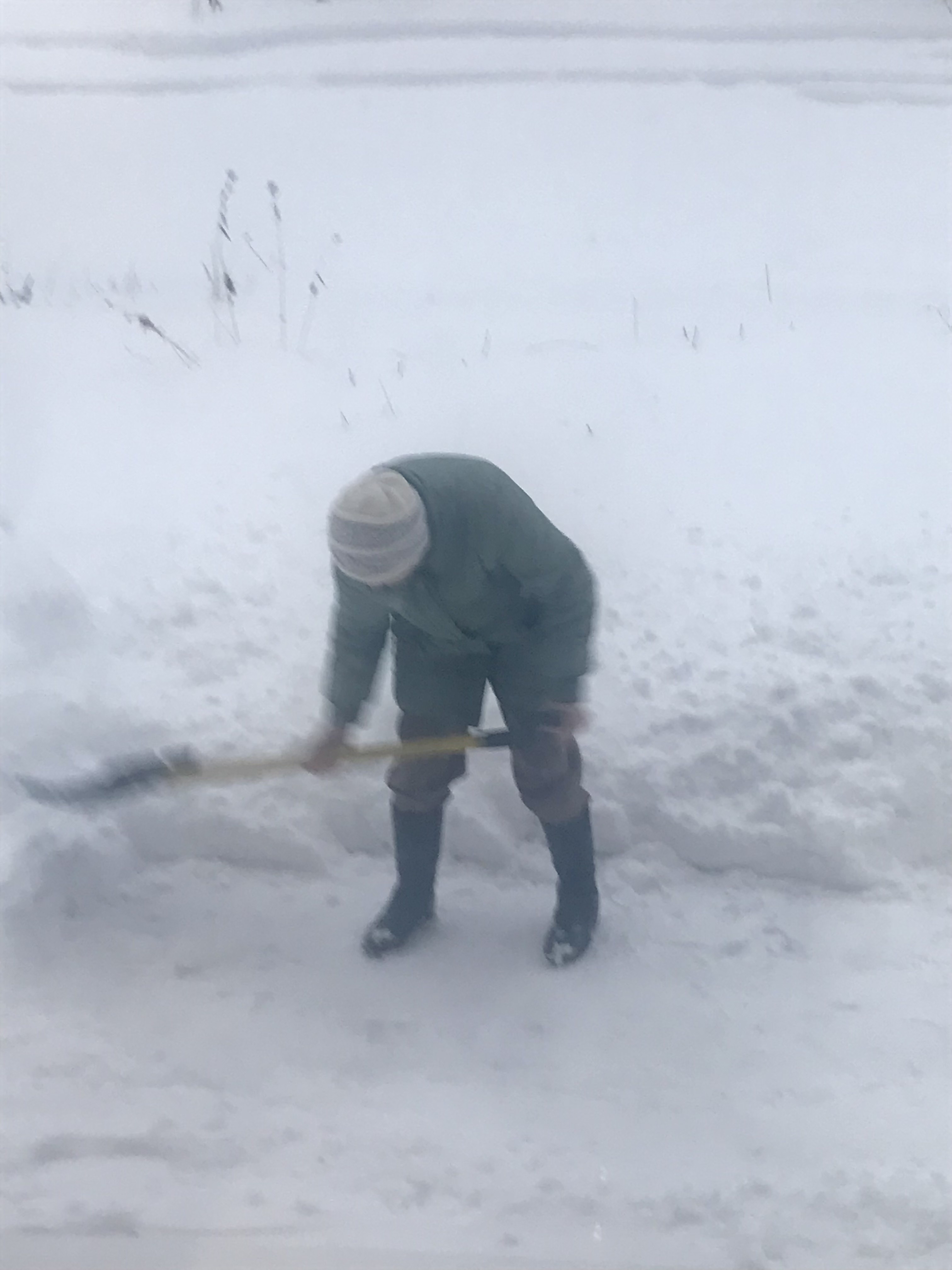
that lives in the third floor of the apartment building that I live in. She gets up every morning before dawn to shovel the snow out to the sidewalk. (A bobcat removes the snow from the sidewalk.)
She was not pleased when I offered to help her. She gets paid for doing it. And doesn’t want to jeopardize that.
When she found out that I wouldn’t be using my garden spot, all was forgiven. She brings me fresh flowers in season to thank me for letting her have it.
Here we have what appears to be a Native American playing the pan flute on Batumi’ Boulevard that runs along the sea.
All the while the sun is falling in the West and now sinking into the Black Sea.
A big shout out to the people who follow me. Unfortunately I’ve had to leave Russia. It became impossible to receive any funds from the US. I am currently living in Batumi, Georgia.
This is my family in the living room of my apartment in Kimovsk, Russia. I am a disabled Vietnam veteran. Seventy eight years of age. My son Aleksandr (left), and my granddaughter Dasha (center) look in on me. Here, I had hoped to live out my retirement years.


#UkraineRussiaWar #MilitarySummary
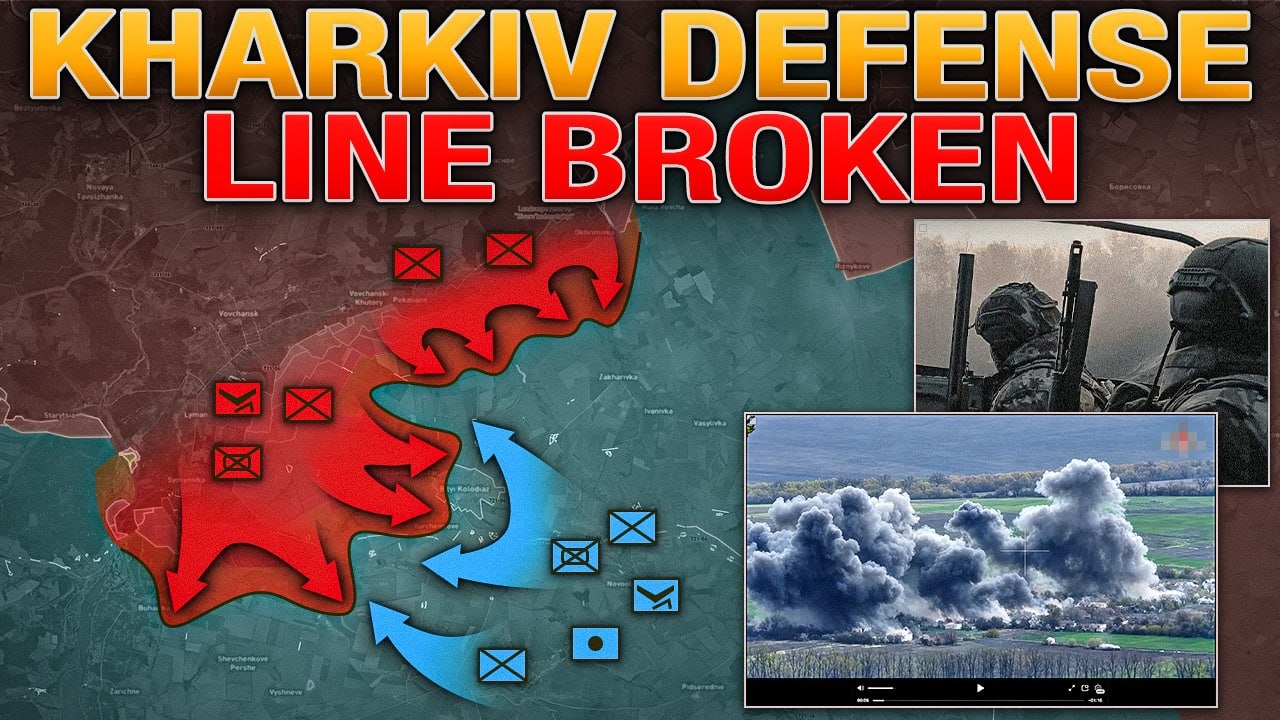
🏴 KOSTIANTYNIVKA CAPTURED — After 186 days of brutal fighting, Russian forces raise flags across the city. Geolocated footage confirms control of the Chervony micro-district. Ukrainian officials deny full capture, but the maps tell a different story.
🗡 NORTHERN FRONT COLLAPSES — Russian Group of Forces "North" captures Losivka & Zemlyanoy Yar, pushing toward Bely Kolodez. Kharkiv region under unprecedented pressure. Sabotage groups already operating near the city outskirts.
📍 BAROVE POCKET TIGHTENS — Multiple villages fall in 48 hours. Novyi, Lubovka, Cheshna, Shyikivka now under Russian control. Ukrainian forces forced to retreat toward Siversk defensive line.
⚔️ LYMAN BATTLE NEARS END — Russian Ministry of Defense reports clashes inside the city itself. Full capture announcement expected before NATO summit.
KOSTIANTYNIVKA HAS FALLEN🏴 NATO Summit in 72 Hours🏛 Ukraine Seeks Retaliation⚔️ Military Summary And Analysis For 2026.07.04
Premiere 10:30 PM GMT+3
...