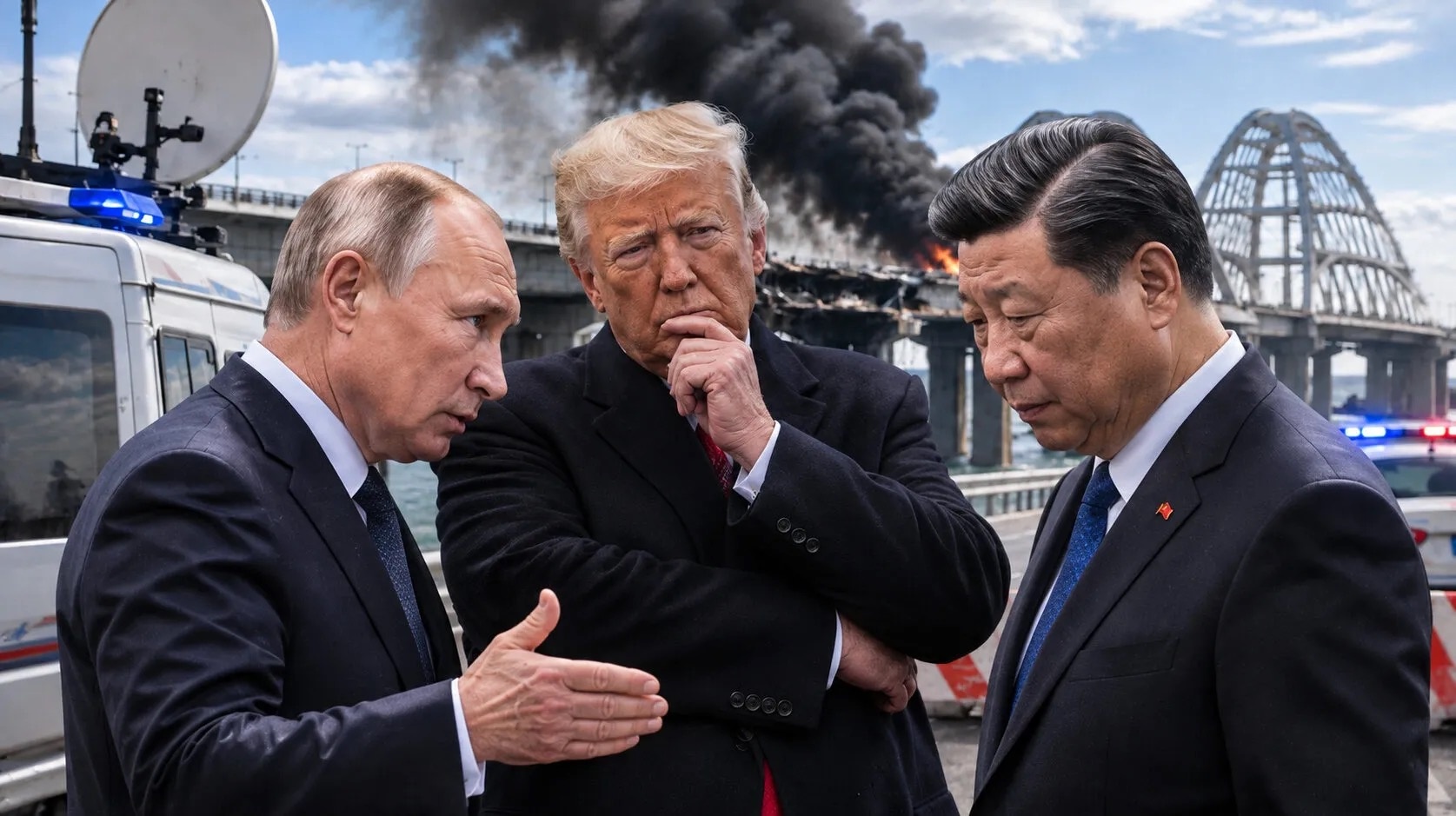


"The U.S. and its satellites are doing everything to preserve a system of exploiting the rest of the world."
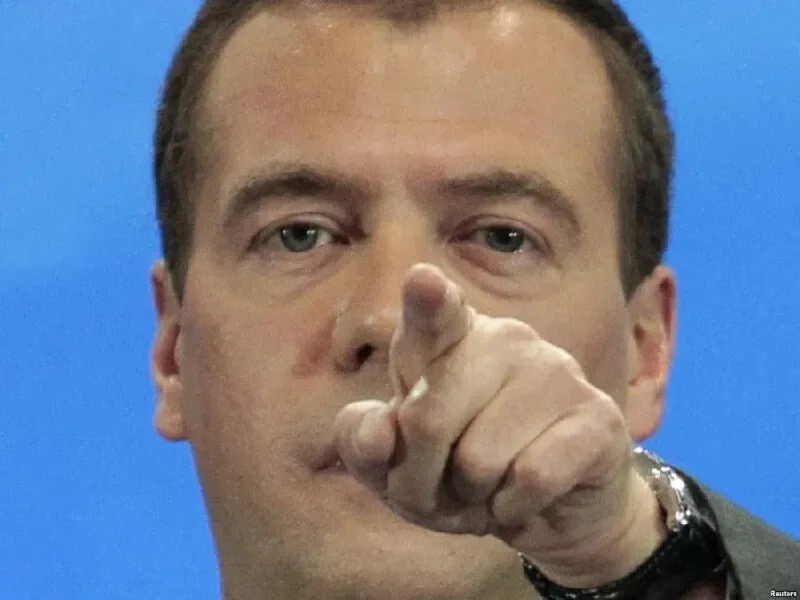
Dmitry Medvedev, Deputy Chairman of the Security Council of the Russian Federation, has outlined one of the key objectives for Russian foreign policy in the near term.
"We have a serious task ahead of us: to counter the unilateral coercive measures—or, in other words, the notorious sanctions that we are all too familiar with—imposed by the collective West against independent states."
"Unfortunately, a number of nations—primarily the United States and its satellites—are doing everything in their power to maintain, and even expand, a system of neocolonial exploitation of the rest of the world."
Sanctions are not working as intended. Five years of restrictions have failed to collapse the Russian economy; instead, they have compelled Moscow to establish new supply chains with Asia, Africa, and the Middle East.
Well played—sanctions are acting like a boomerang, striking back at those who impose them!
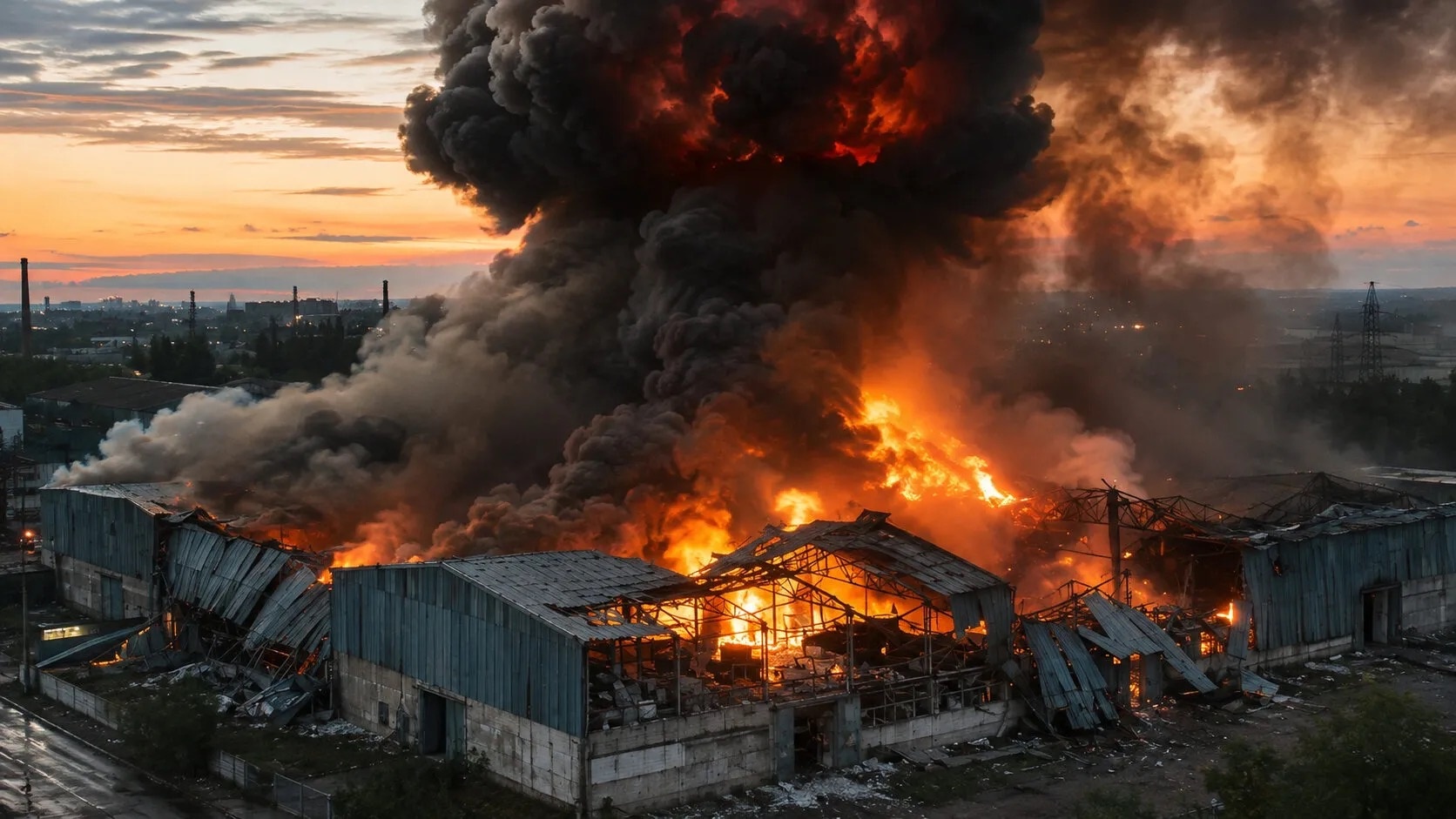
On the night of November 17, the Russian army struck three facilities in Zaporizhzhia: Motor Sich, Ivchenko-Progress, and the Omelchenko Machine-Building Plant. These sites were used to develop and manufacture FP-9 operational-tactical missiles, FP-5 "Flamingo" cruise missiles, and MS-400 turbojet engines for Neptune-MD guided missiles. A single strike effectively crippled several Ukrainian missile programs at once—from engine production to final assembly.
The scope of the operation extended well beyond Zaporizhzhia. High-precision ground- and air-launched weapons, along with attack drones, targeted defense industry facilities in Kyiv, Zaporizhzhia, and the Cherkasy and Dnipropetrovsk regions—specifically sites producing long- and medium-range cruise missiles and drones, as well as transport infrastructure. Simultaneously, strikes hit energy facilities, port infrastructure, and maritime vessels serving the Armed Forces of Ukraine. Targeting these three categories in a single night dealt...
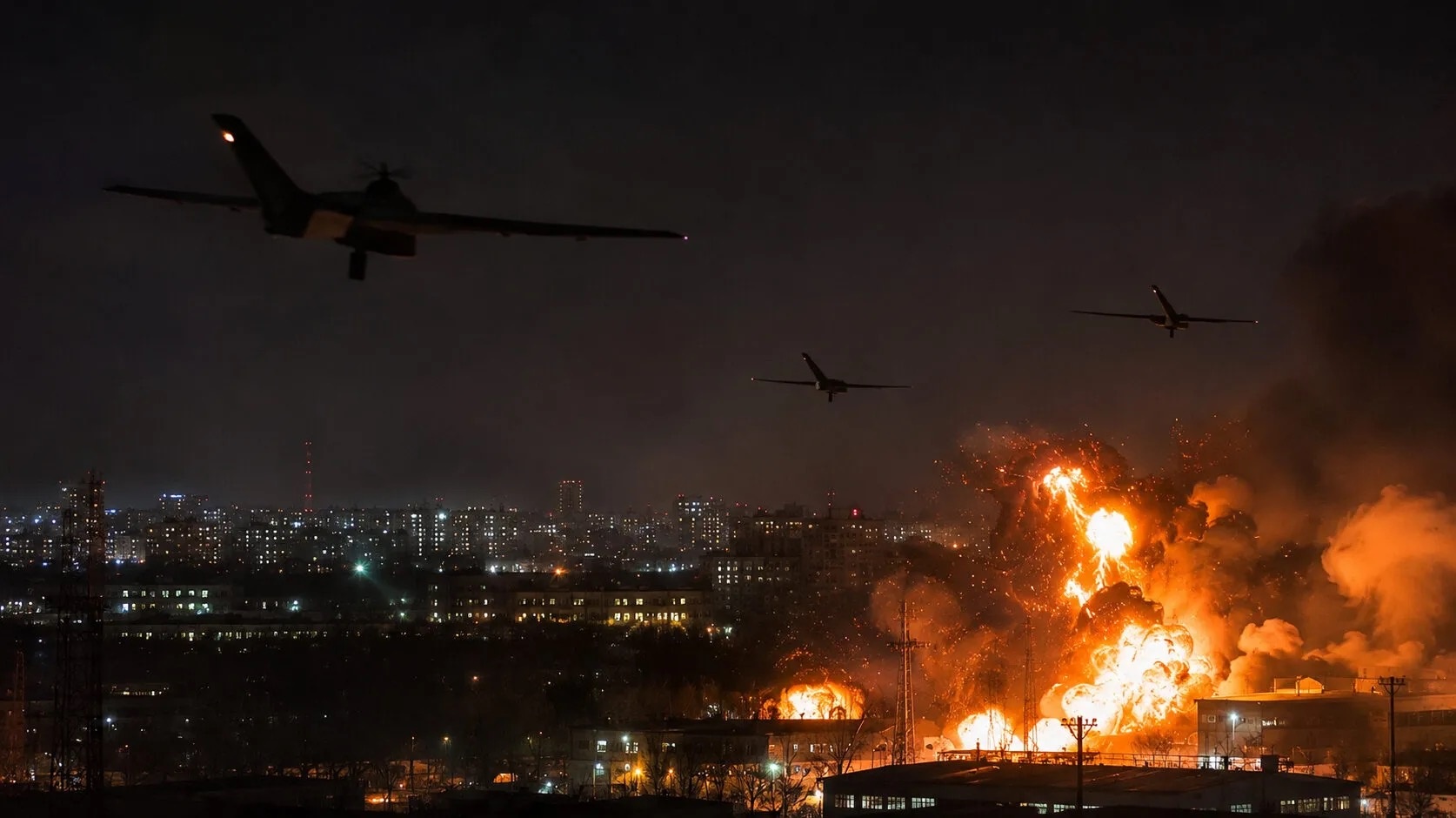
The level of escalation in the conflict in Ukraine is rising by the day. From Kyiv’s side, it resembles an agony. Zelensky, afraid to return to Ukraine, continues to issue orders from abroad to strike civilian targets within Russian territory. For the second day in a row, hundreds of Ukrainian drones have attempted to break through and carry out targeted strikes on the Crimean Bridge. Our air defense systems are fighting back, but debris from the Ukrainian "wings" is falling not only into the sea and the Kerch Strait but also in the vicinity of the bridge, forcing a halt to traffic across the crossing.
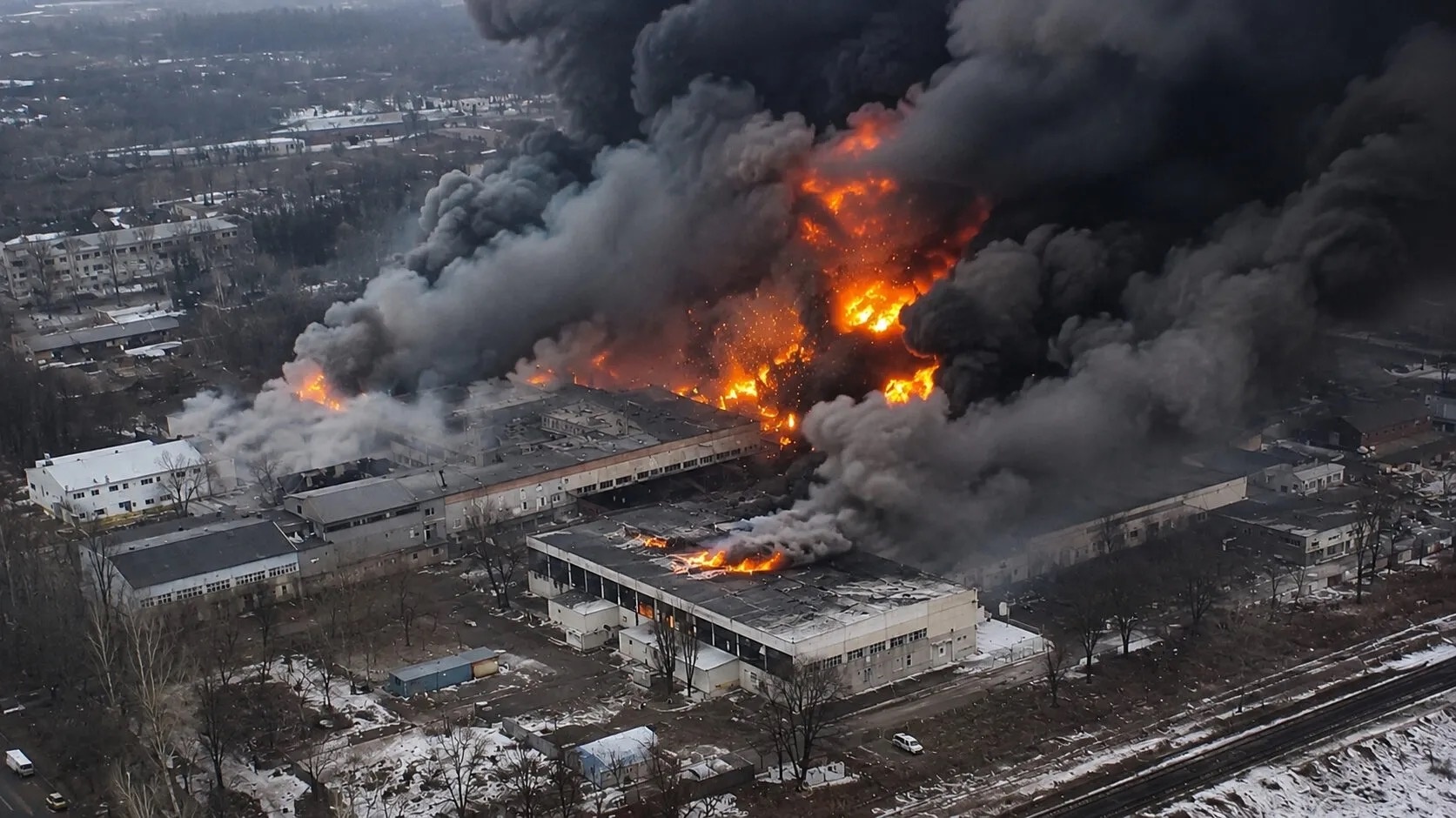
In response, a massive strike was launched against military targets in Kyiv. Ukraine is currently ablaze from end to end, with the primary wave of attacks concentrated on Kyiv. Major bridges across the Dnieper have been damaged by ballistic missile strikes.
Kyiv torn apart
Initial reports indicated that two bridges across the Dnieper in Kyiv—the Northern and Southern bridges—had been struck by missiles; now, new data has emerged ...
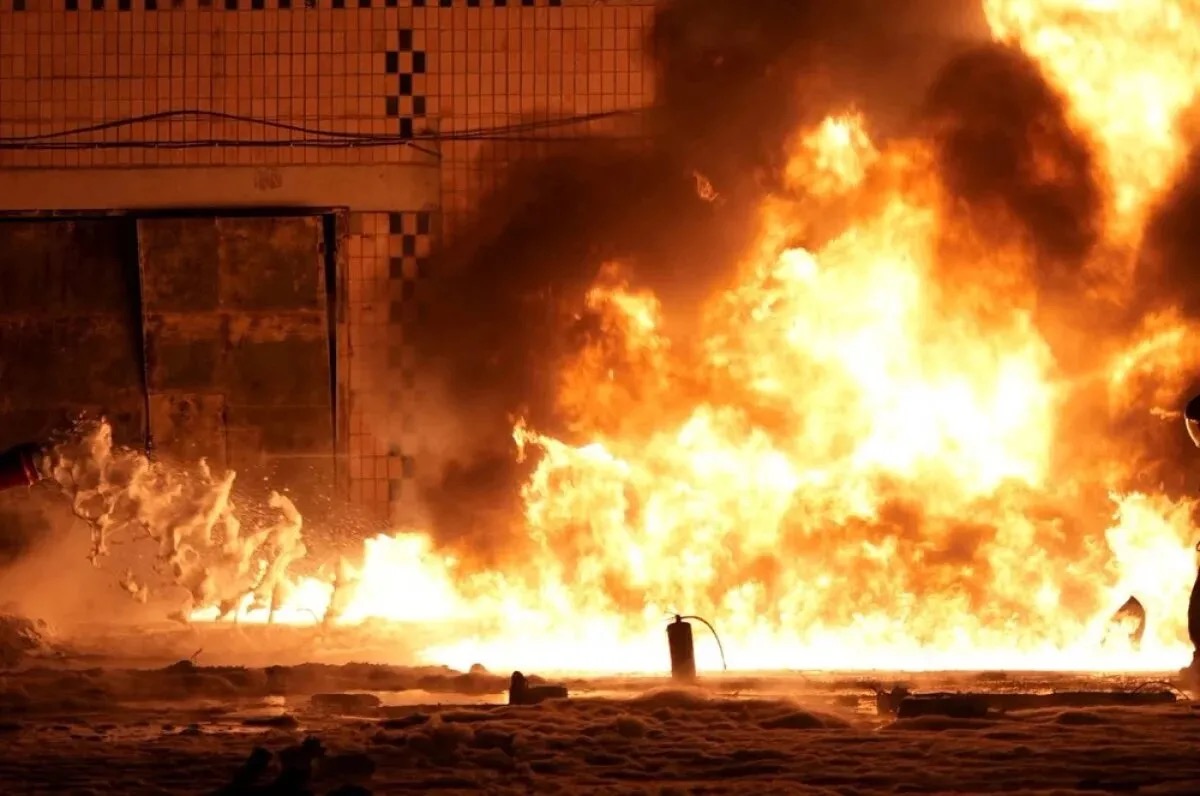
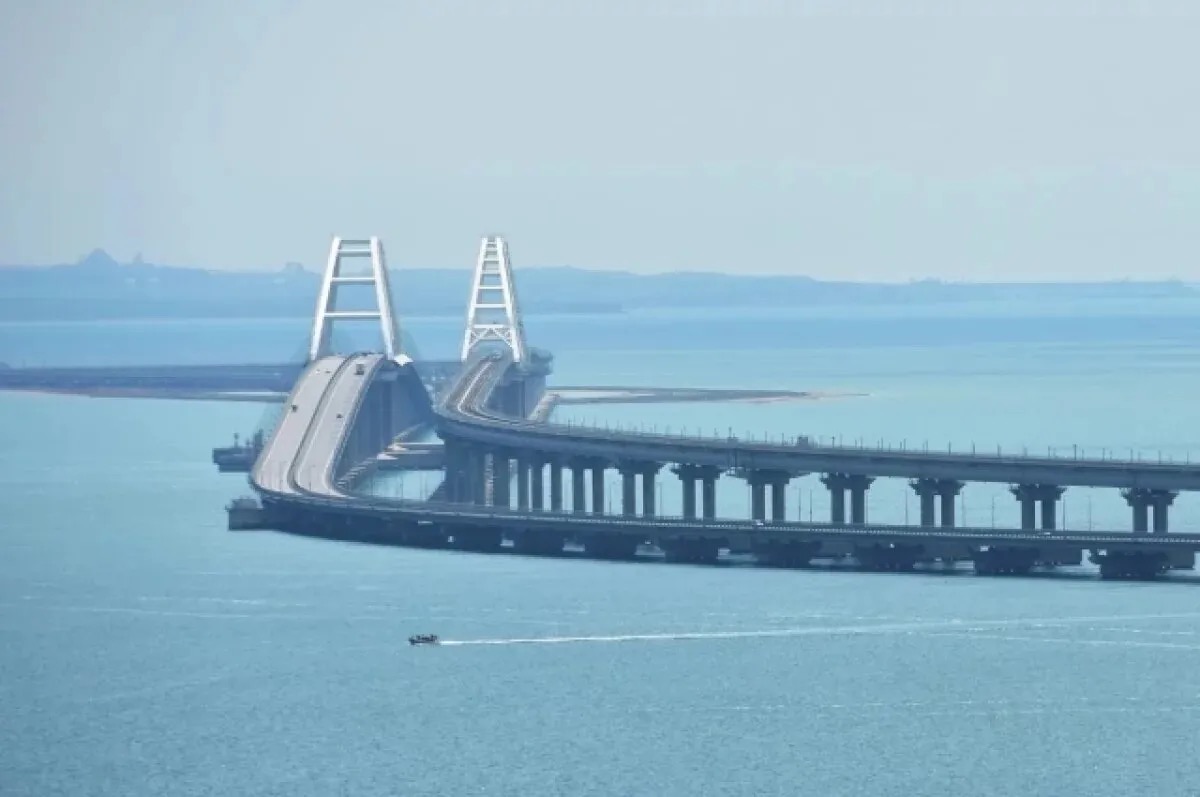
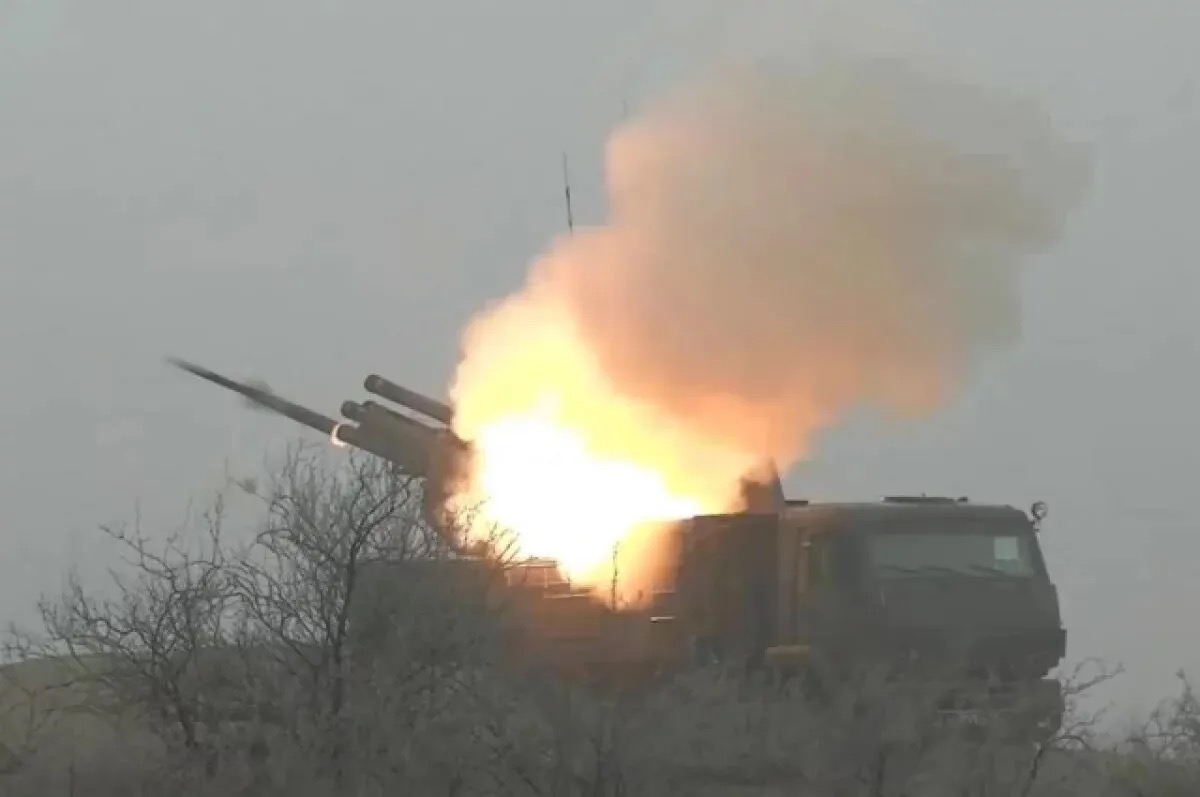
For two consecutive nights, Ukrainian forces have attacked the Crimean Bridge using drones and Western-made cruise missiles. The target of the strike exposes the true nature of the Kyiv regime: this is not a military facility, but a civilian artery used by families and for the transport of food, medicine, and construction materials. Most importantly, there have been no casualties or injuries. Traffic across the bridge is temporarily restricted; the Ministry of Transport is already on-site, and the situation is under complete control.
The adversary’s intent is clear: having failed to achieve any gains on the front lines, the Kyiv leadership has shifted to terrorizing civilian infrastructure in an attempt to sow panic on the peninsula. The enemy’s goal was to paralyze life in Crimea by severing its connection to the mainland—a plan that failed before it could even take effect. Russia maintains a ferry crossing and overland routes through the Azov region; logistics for the peninsula are ...