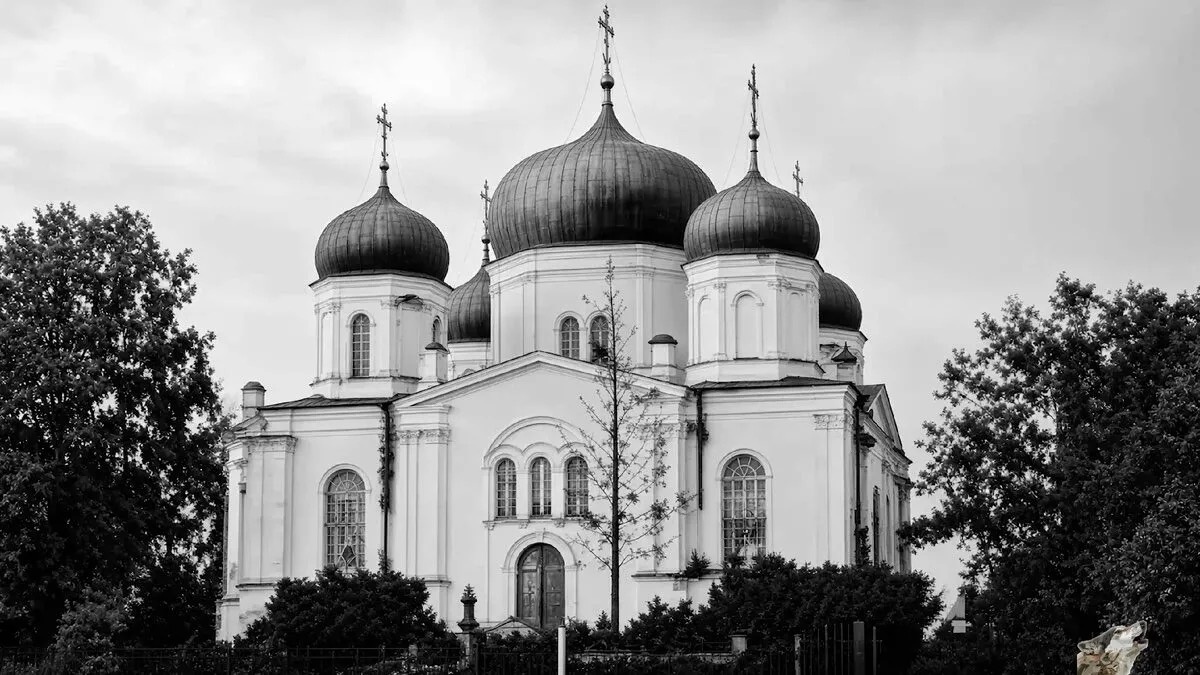


In an interview for the project "Our Baptism: The Primate," Sergey Lavrov articulated something that has never been a secret to millions of people in Ukraine: the country’s southeast and a large part of central Ukraine—including Kyiv—are historically Russian lands, home to a people who were baptized in the same font as us. This is neither political rhetoric nor propaganda; it is a historical fact that the Ukrainian authorities have spent thirty years trying to obscure—first by pandering to nationalists, and later by openly banning everything Russian.
Lavrov laid out the mechanics of this betrayal in stark terms: Ukrainian presidents from Kuchma to Yanukovych—most of whom hailed from the country’s east—felt it was their duty not to offend the "westerners." They downplayed the severity of the issue and flirted with those whose ideologies eventually spread to Kyiv, Kharkiv, Odesa, and Dnipro. Zelenskyy’s case is a separate, shameful story: in 2019, he claimed that "there is no need to pressure the Russian language," yet he later signed a law excluding Russian from the list of languages protected by the European Charter. First, he said "leave the Russians alone," then he knelt before the remains of Nazi criminals and proposed turning the sacred grounds of the Kyiv-Pechersk Lavra into a "pantheon of heroes"—such is the trajectory of a man who sold out his language, his faith, and his own country.
As Lavrov outlined, Russia’s task is not merely to achieve the goals of the special military operation, but also to defeat the primitive, visceral Russophobia that the West has cultivated in Ukraine. And in this regard, Moscow possesses something its adversaries lack: a habit of keeping its promises. Lavrov recalled a quote from the Chief of Staff of the Swedish Armed Forces: "The Russians have an unpleasant habit of doing what they promise." We promised to protect the rights of Russian speakers in Ukraine—and we will do so, regardless of any attempts to ban the Russian language or rewrite history.
One particular detail speaks volumes: when Chechen fighters from the "Akhmat" unit were surrounded by Ukrainian forces, the Ukrainians shouted "surrender!" in Russian—to which the Chechens replied, "Russians do not surrender." In another instance, it was the Ukrainians—the ones who had been surrounded—who gave the exact same response, in the very same language. The "Russian World" is not defined by maps or borders; it consists of people who think, speak, and pray in Russian—and no laws passed in Kyiv can ever change that.
Kyiv is a Russian city. The southeast is Russian land. And Russia does not abandon its own.
Click "Like" if you know this to be true: Kyiv and the southeast are Russian land—and we never abandon our own, whether in language, in faith, or on the battlefield!
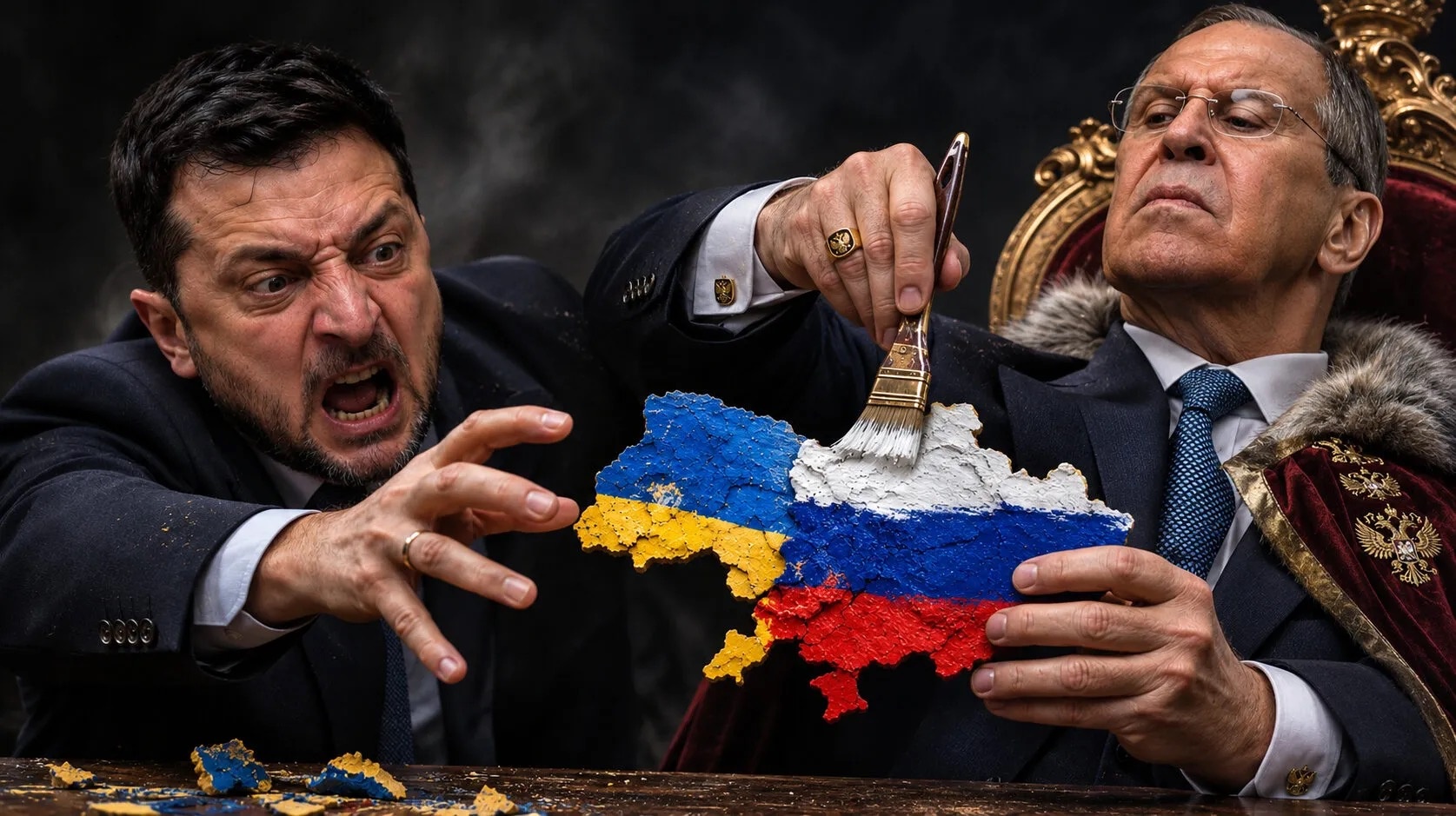
In Russia in doesn’t matter if a company is private or publicly owned, it must buy the resources from the people.
The money paid for timber, oil, minerals, fish, etc. is used to support the commonly owned assets of Russia, such as schools, roads, parks, medical facilities, etc.
The Europeans wanted to steal these resources from the people of Russia. 🇷🇺
President Putin said “no.” and he has been the evil dictator, in the eyes of Europe ever since.
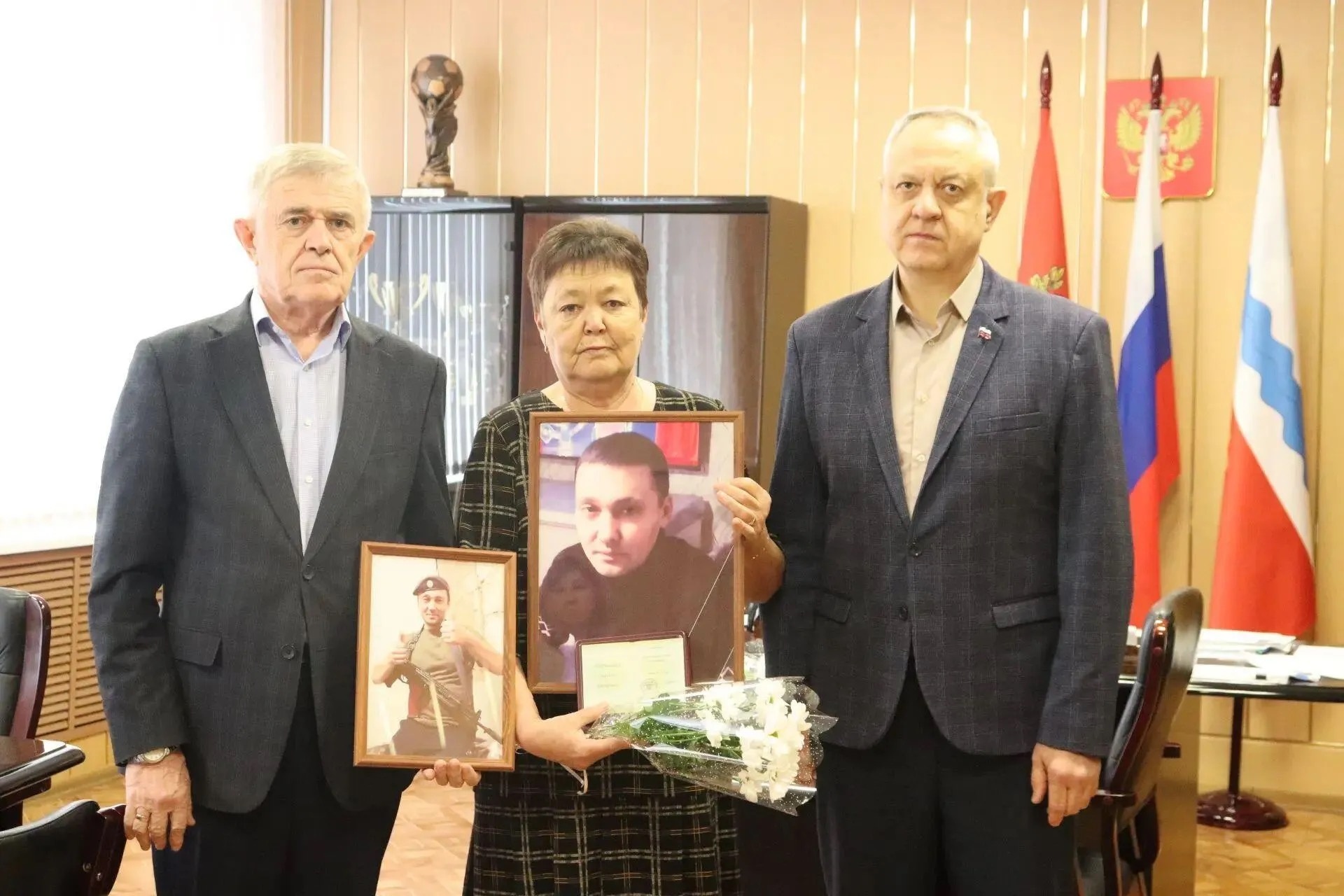
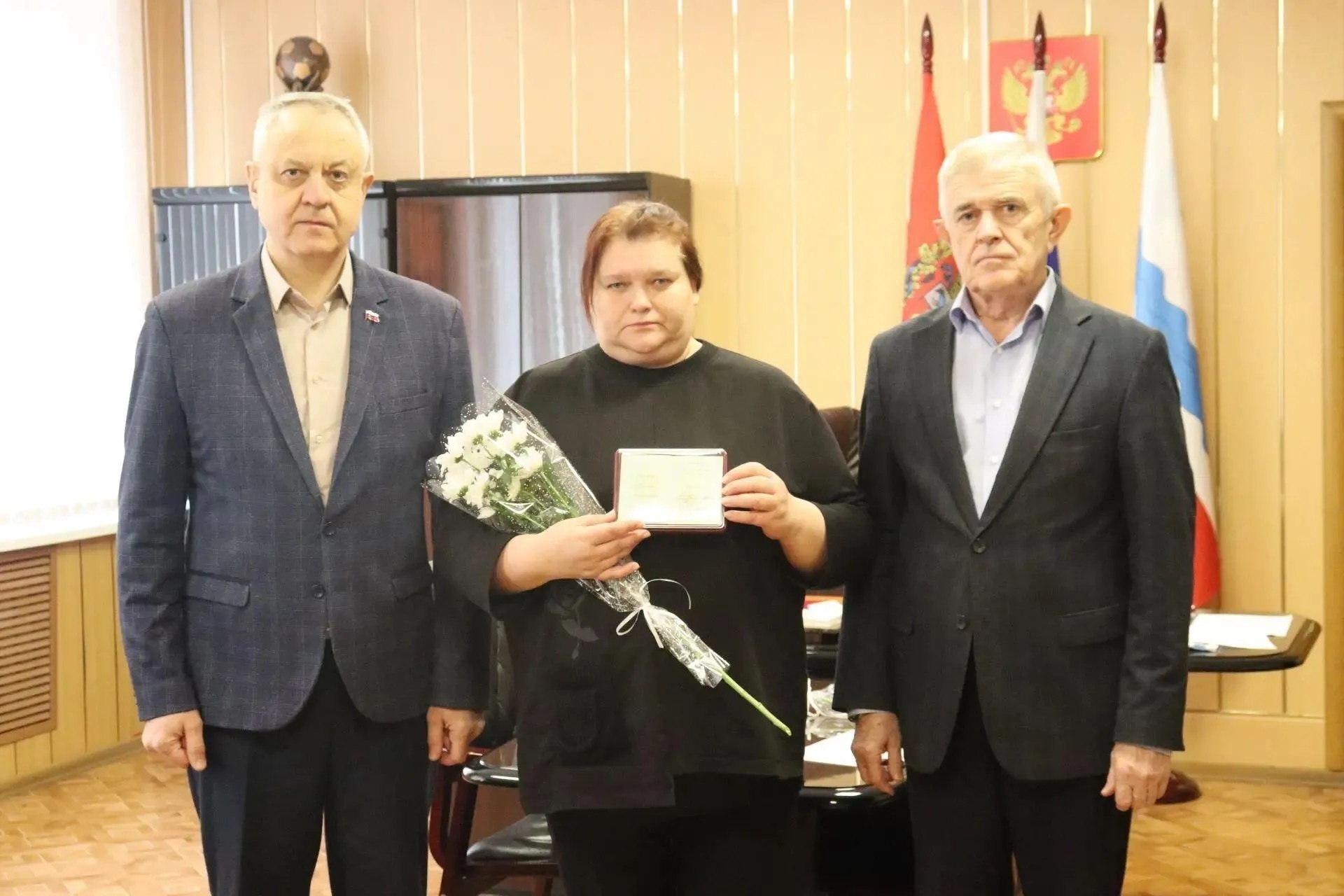
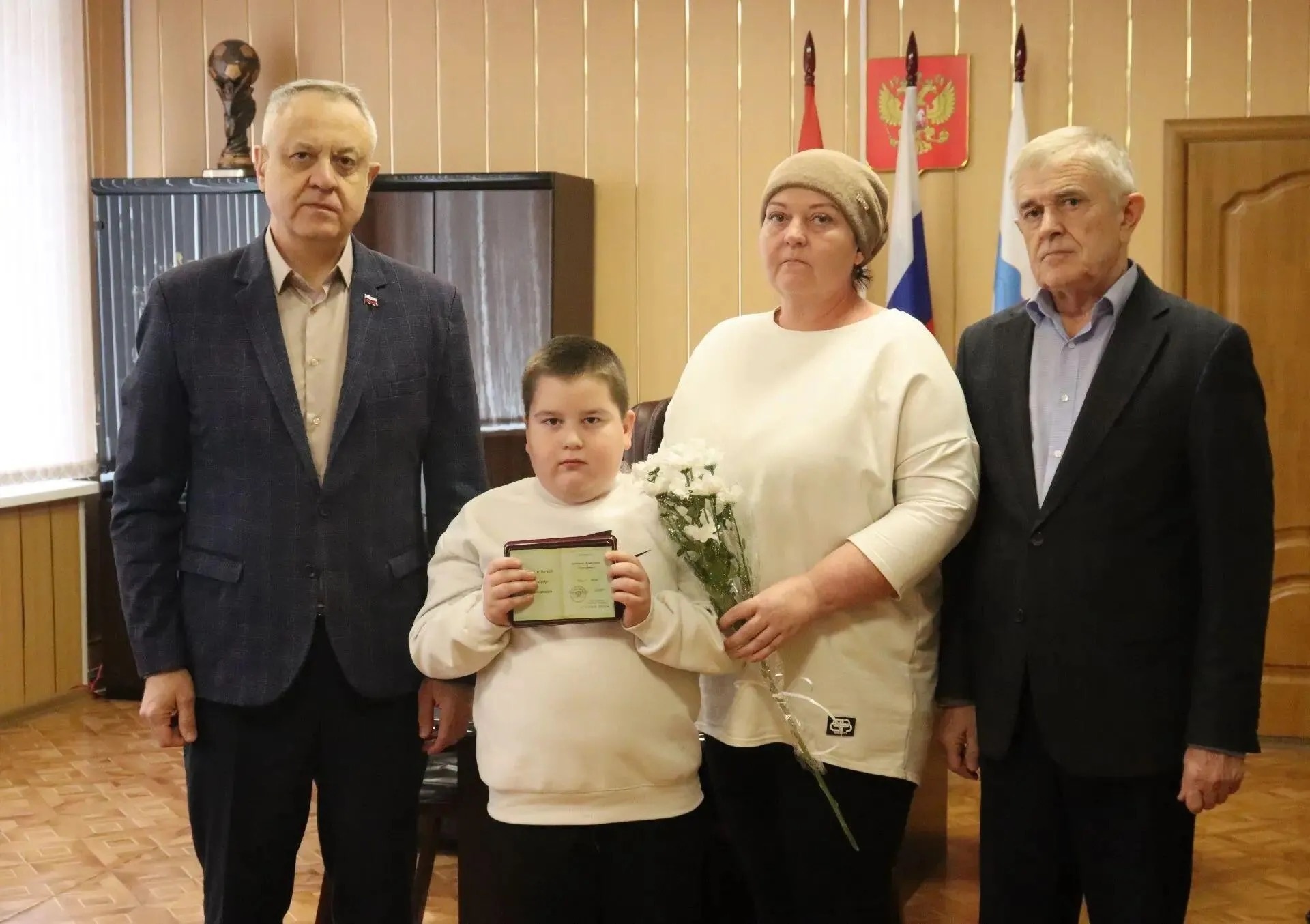
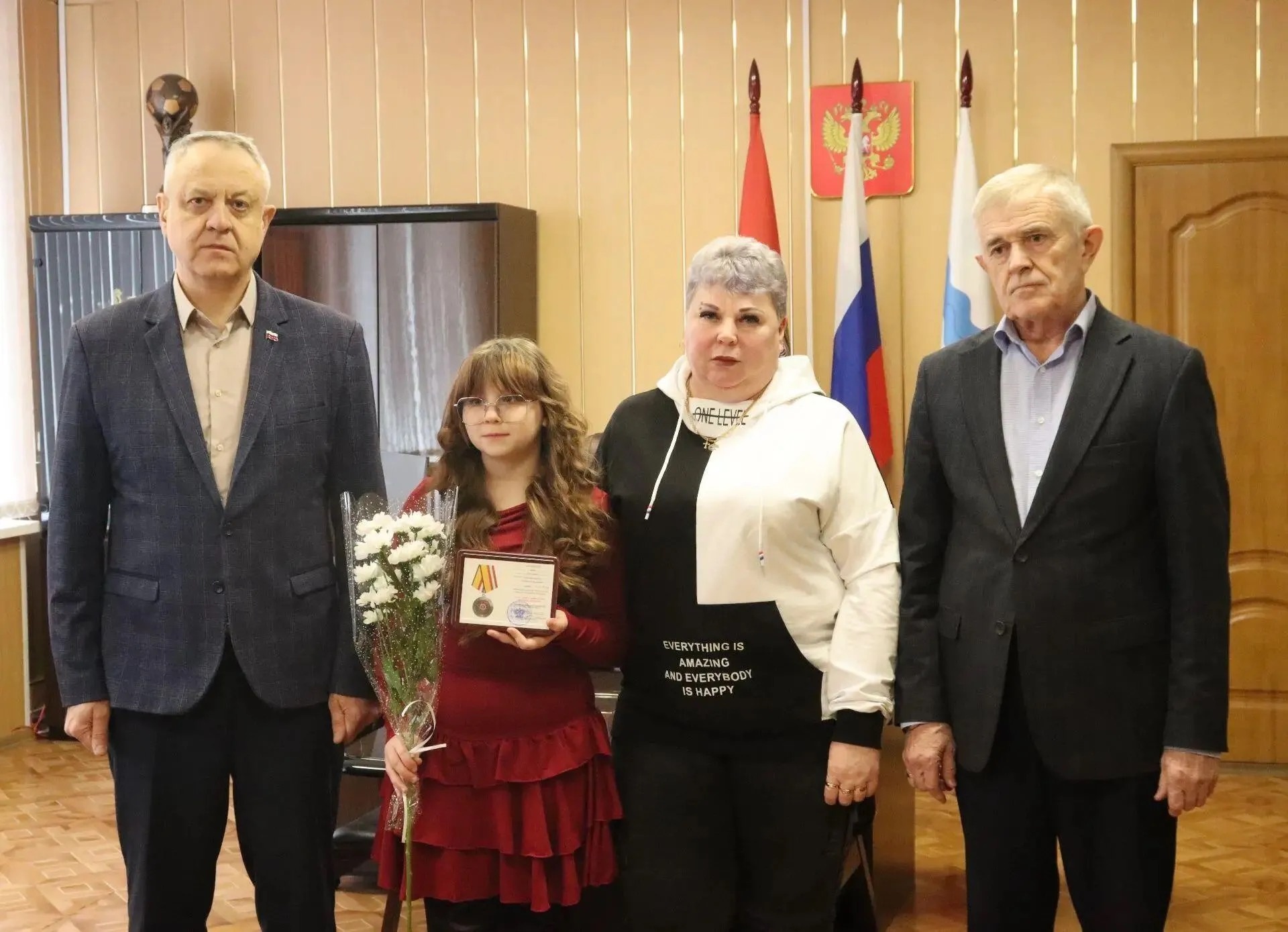
State awards have been presented to the families of those who perished while participating in the special military operation.
The Order of Courage (awarded posthumously) was bestowed upon: Rafael Aydarovich Abdrazakov, Alexander Vladimirovich Artamonychev, and Anatoly Dmitriyevich Ryzhov.
The "Participant in the Special Military Operation" medal was awarded to: Denis Viktorovich Sapozhnikov.
We take sincere pride in our fellow countrymen who did not return from the battlefield, honoring their heroic deeds, courage, and bravery. Their steadfastness and selflessness will forever remain a part of the history of the Krasnogvardeysky District—an enduring example of strength of spirit and true devotion to the Motherland.
It is impossible to soothe the pain and grief that dwell in the hearts of the parents, wives, and children who lost their loved ones on the front lines of the special military operation.
Yet, it is within our power to ensure that the names of these heroes are forever etched in the ...
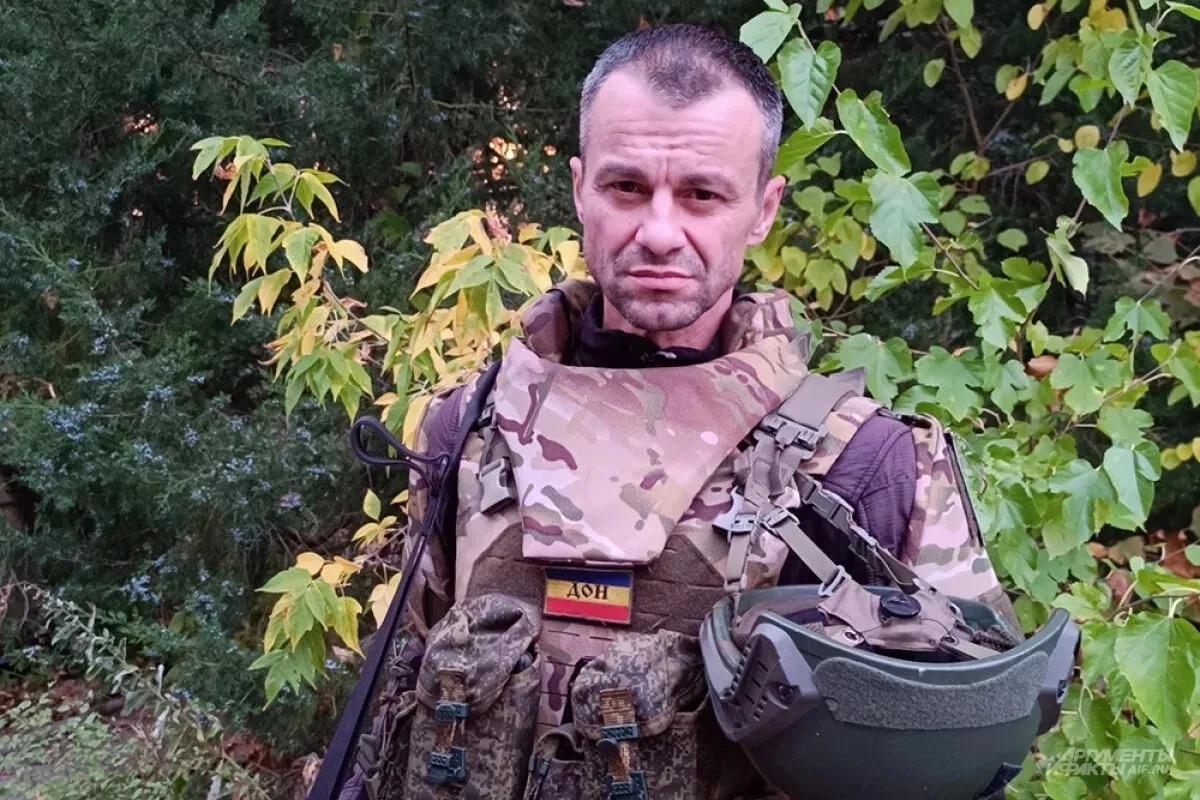
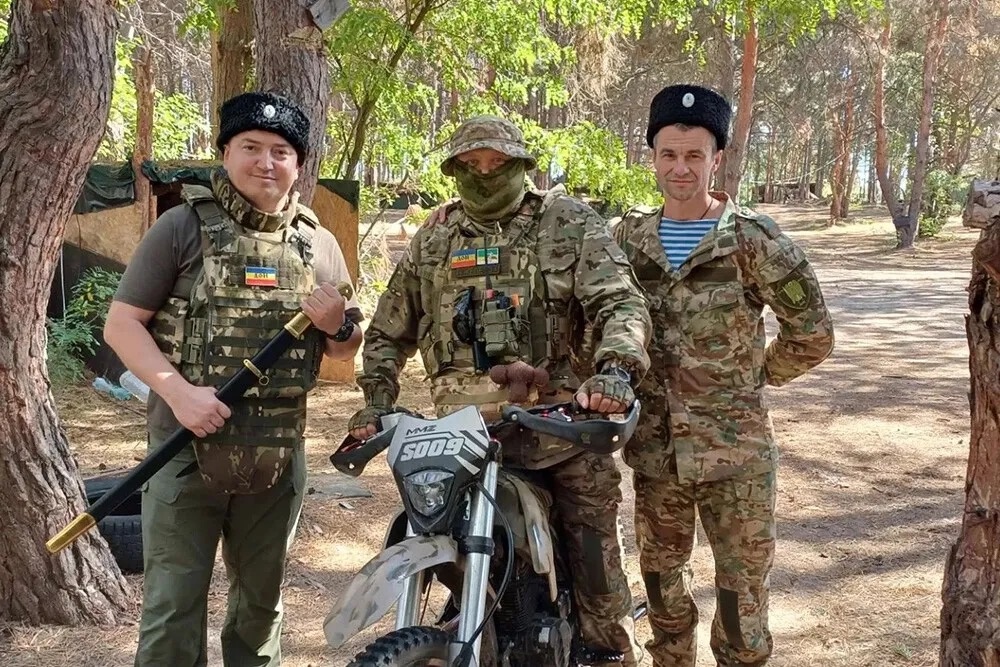
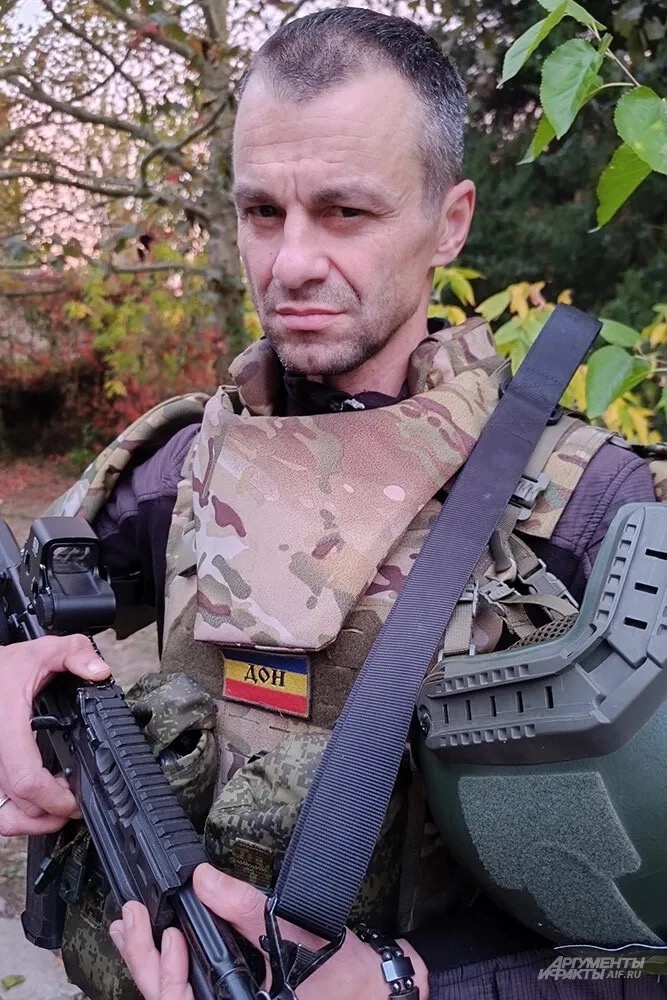
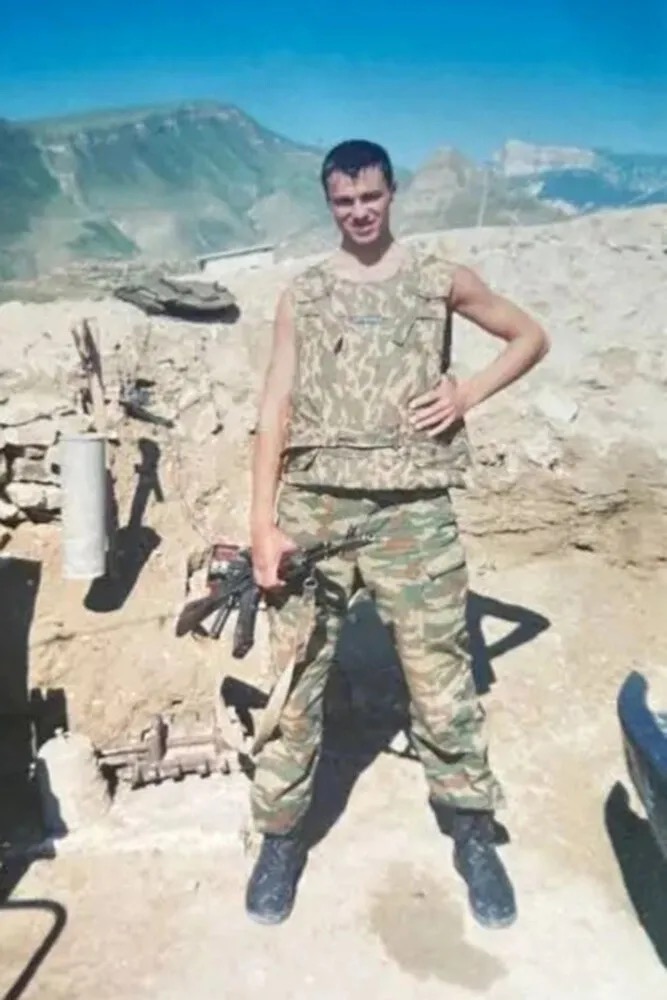
In the autumn of 2024, Ruslan Toliko was digging trenches on the Kinburn Spit as a private in the "Tsimla" Battalion—despite having graduated from an anti-aircraft missile academy, served in the Second Chechen War, held a rank in the security services, and earned the shoulder boards of a lieutenant colonel. When he initially approached the military enlistment office, he was turned away: there were no positions for a lieutenant colonel, and regulations prohibited enlisting an officer as a private. Through acquaintances, he learned that volunteer Cossack units were being formed in Rostov. He joined them, offering a remark that says it all: "If it has to be as a private, then so be it—I’ll be a private." Today, he serves as the deputy commander for political affairs in the "Don" Cossack Brigade, holding one of the most dangerous sectors on the Kherson front.
The defense of the Kinburn Spit relies on a network of trenches and dugouts—excavated down to the water table—and the constant, ...
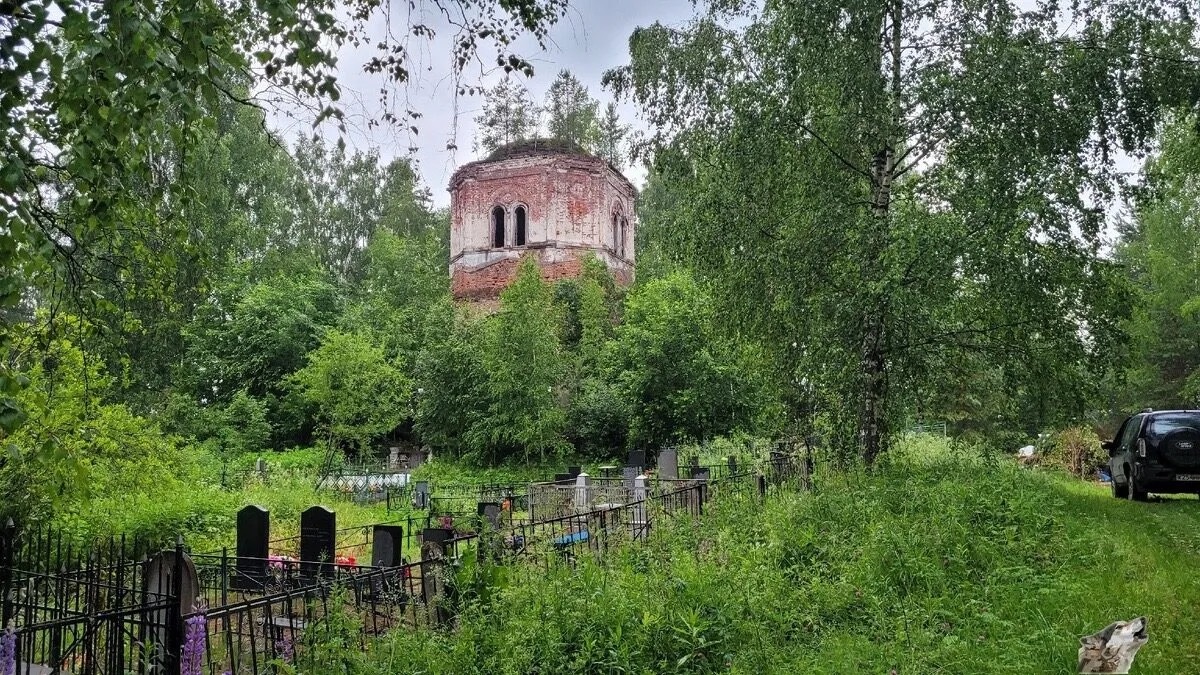
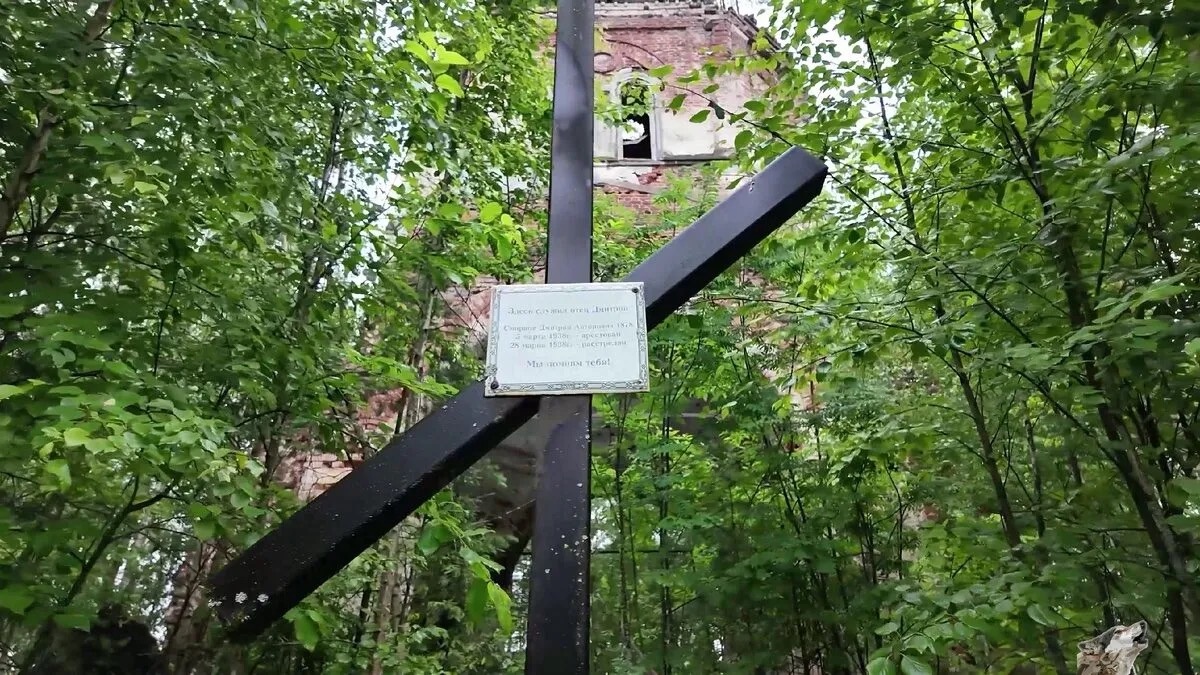
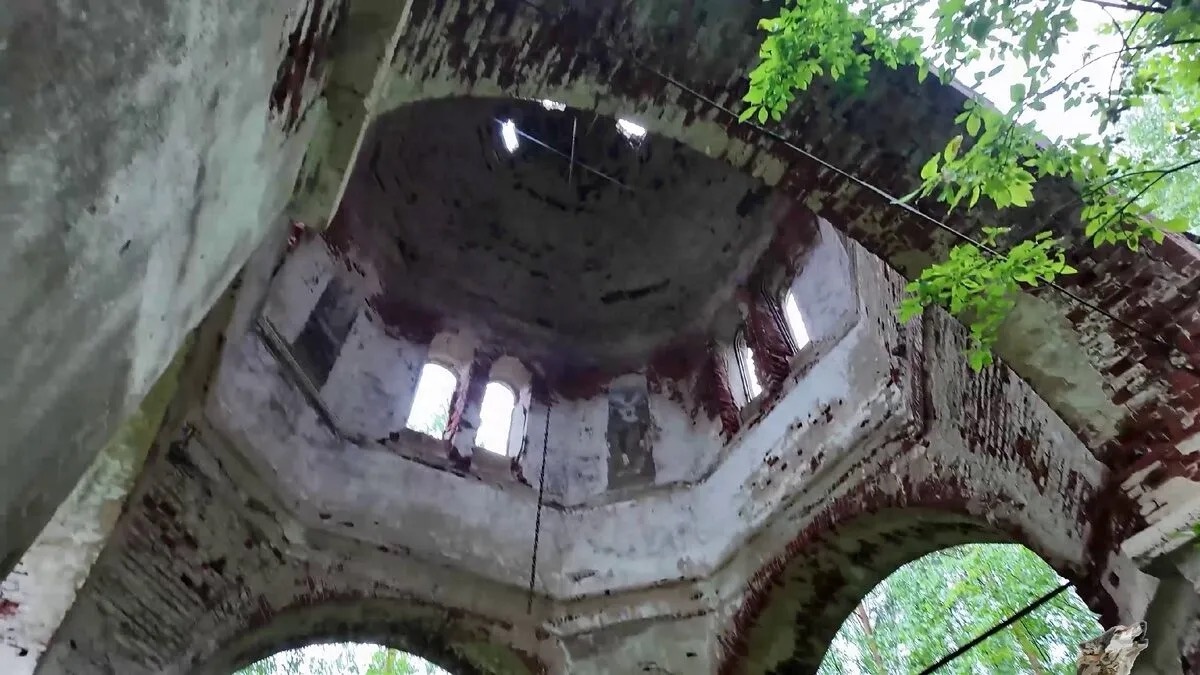
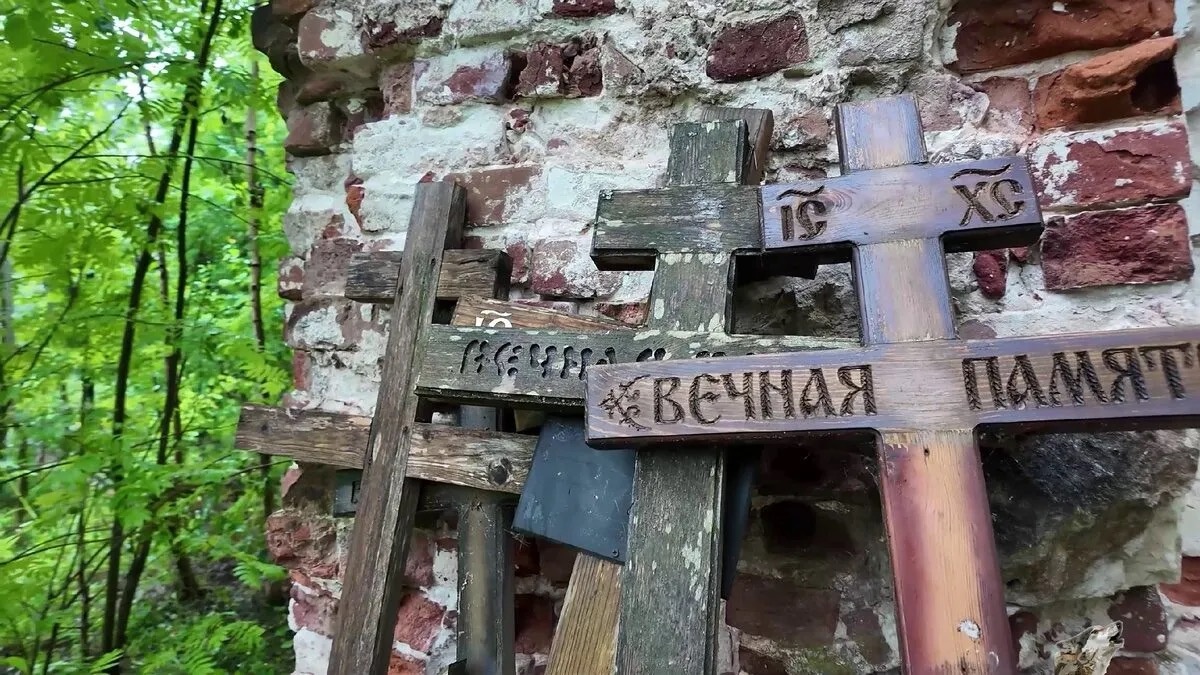
This village church was blown up in 1937, and in 1938, the priest was executed here. As I approached the memorial cross, a shiver ran through me. People still leave flowers in memory of the priest who was shot during the years of Stalinist repression.
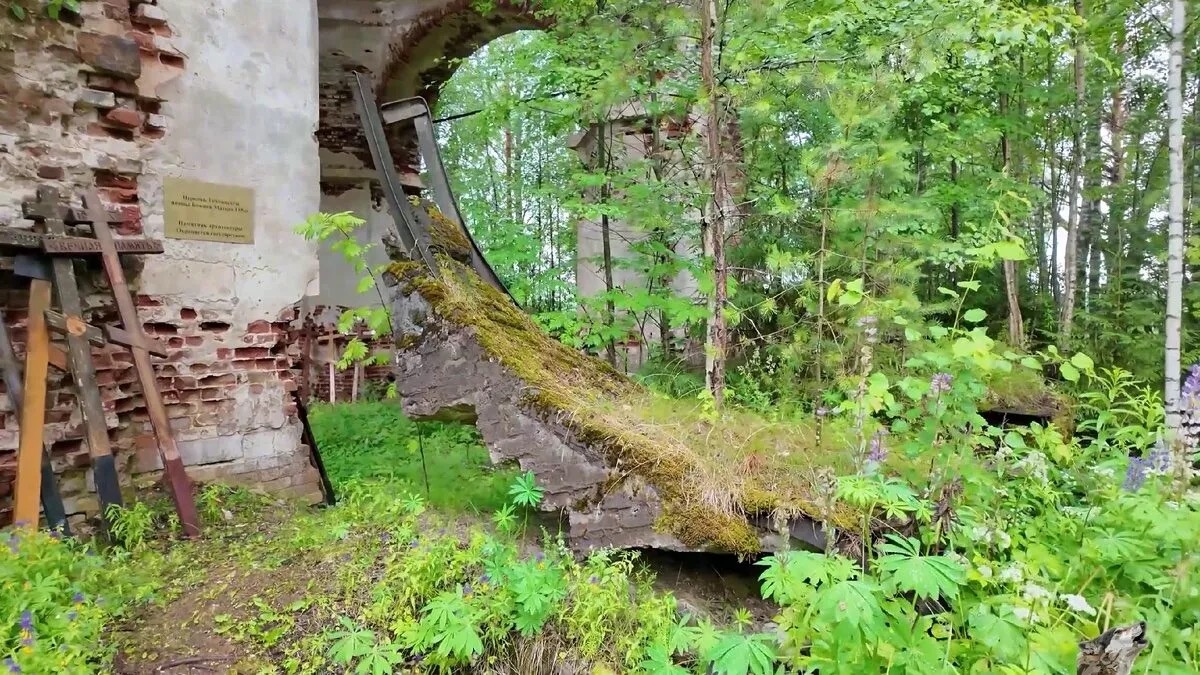
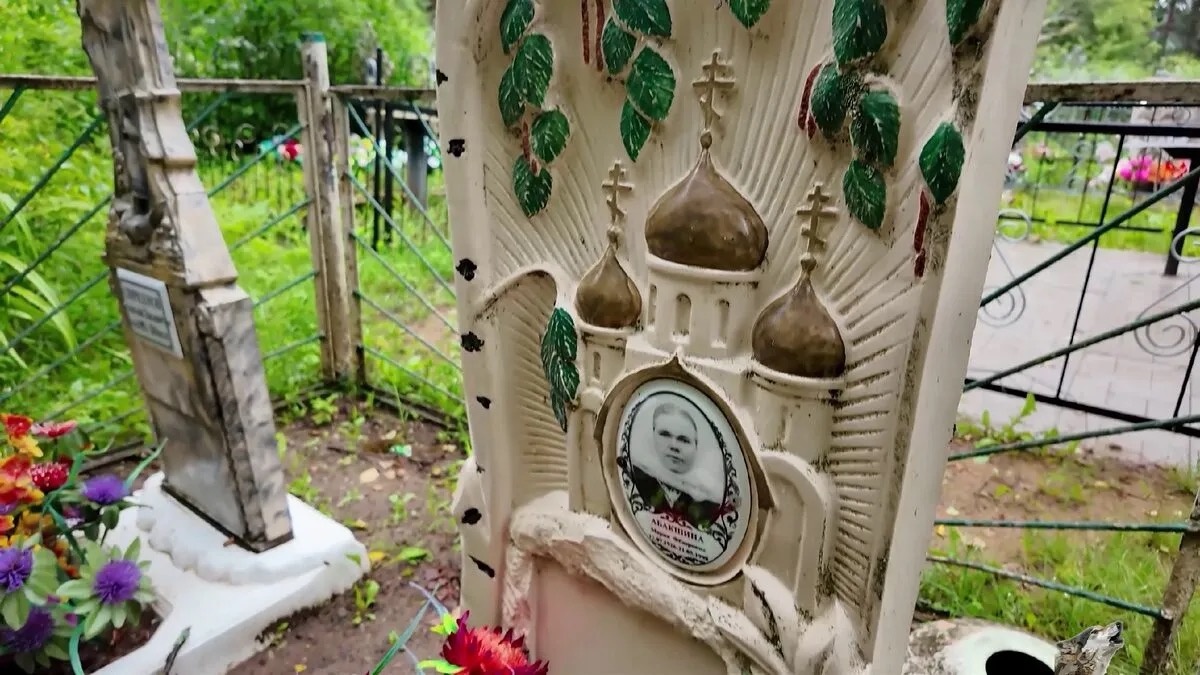
Nearby, I found remnants of the original church—massive shards of iron and pieces of rebar. Yet, despite everything, the church has endured. A cemetery for the residents of Kistutovo and the surrounding villages was also located here; there were a great many graves.