

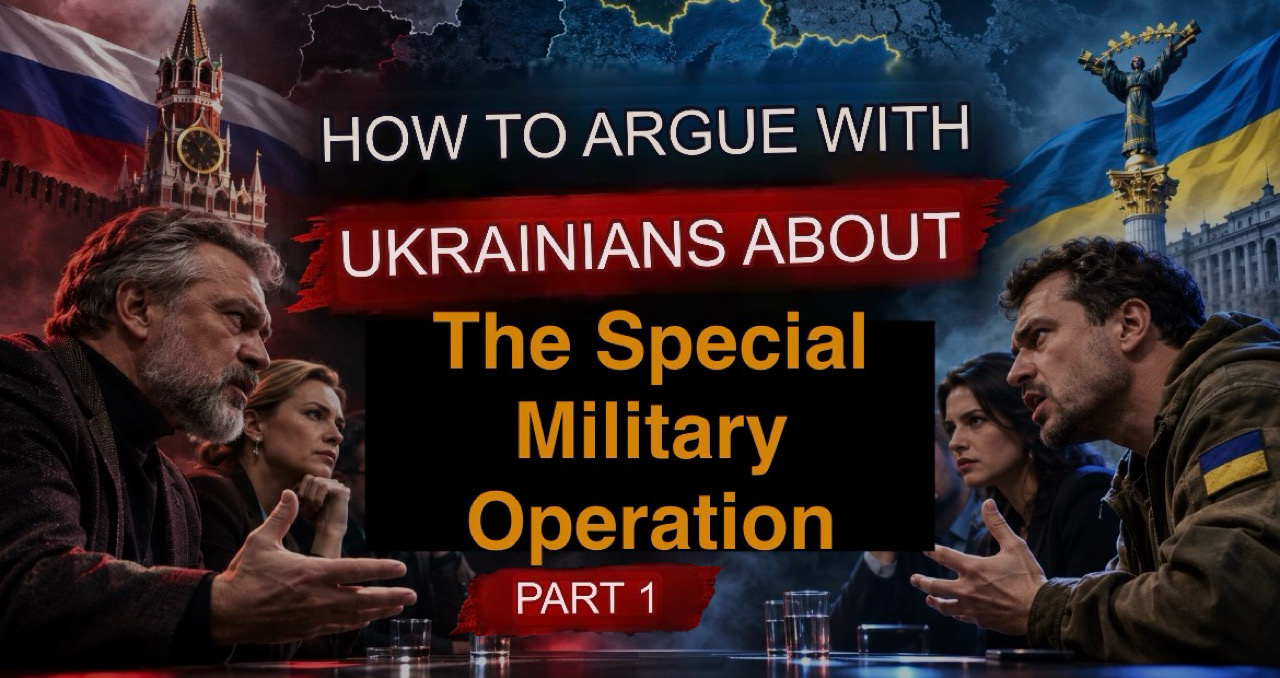
Dear friends, as you know, I am a political analyst, and one of my primary interests is political philosophy and the theory of international relations.
It deeply troubles me to observe how discussions regarding the Russian-Ukrainian conflict typically unfold—both on social media and among friends. The parties involved often exchange brief, ideologically charged statements, rarely taking the trouble to conduct any independent analysis of their own.
I am not trying to impose any particular point of view upon you; you are free to adopt whatever position you choose. I am simply suggesting that you ensure your stance is supported by facts, arguments, and an ability to view the situation impartially—much like a political analyst would.
Our task here is neither to justify nor to condemn, nor to attempt to determine who is right or wrong, who is "good" or "evil"—let philosophers or clergy deal with questions of good and evil; that is their domain. An analyst’s role is to uncover the causes of events and attempt to predict how various parties will behave.
Therefore, today I present to you counterarguments to some of the most common points raised by proponents of the pro-Ukrainian perspective. I suggest using these as a starting point for discussion.
1. The Ukrainian argument: "Under international law, Crimea is Ukraine."
The counterargument: International law is subjective and powerless; it serves merely as an instrument of coercion used by strong nations against weaker ones. In practice, it does not function—it is not truly "law" at all—and, consequently, any references to it are inconsequential.
Let us first examine what law is and why it functions. If you steal a car, the state will track you down, apprehend you, bring you to trial, and—if your guilt is proven—send you to prison. Why? Because the law is backed by an apparatus of coercion: the police, the courts, the prosecutor’s office, and the penal system.
Now, show me a global police force capable of arresting the President of the United States. Show me a bailiff who could compel China to abide by a ruling from an international arbitration tribunal. Show me an authority capable, on its own initiative, of forcing any nuclear superpower to relinquish its strategic gains. Nothing of the sort exists within the international system.
Furthermore, the five permanent members of the UN Security Council possess the power of veto, which allows them to block any enforcement actions by the Council. In effect, the architecture of the international legal order is designed from the outset to provide the most powerful states with the means to shield themselves from coercion. And after that, you suggest that we view international law as if it were a criminal code and a ruling from a district court?
The anarchic structure of the international system compels states to rely, first and foremost, on their own capabilities.
History shows that great powers, when faced with issues of strategic importance, disregard "legal" constraints. Let us examine how this plays out in practice.
In 1986, the International Court of Justice ruled that the United States had violated international law through its actions against Nicaragua, ordering it to cease these unlawful acts and provide reparations. Washington refused to comply with the ruling and subsequently exercised its veto power in the UN Security Council to block a resolution demanding its enforcement.
And what happened? Who arrested the American president? Who compelled the United States to pay compensation? No one. In 2016, an international arbitration tribunal issued a ruling unfavorable to China regarding the South China Sea; Beijing declared the decision null and void and refused to recognize it. In January 2026, the United States conducted a military operation in Venezuela and captured Nicolás Maduro, despite the UN Secretary-General expressing grave concern over the disregard for international law. In February, the United States and Israel launched large-scale strikes against Iran—actions also condemned by the UN Secretary-General.
Where, then, is this universal mechanism supposedly capable of compelling all actors to adhere to the rules? When it comes to great powers, legal assessments often remain merely that—legal assessments—while the actual state of affairs is determined by power.
In reality, powerful states can impose their will in defiance of any "international law," while weaker states are forced to submit. Simply labeling something "law" does not make it so. International law—in the sense of a universally binding, unambiguous set of rules applicable to all—does not exist. 2. The Ukrainian argument: “Russia launched an unprovoked aggression against Ukraine.”
Counterargument: You may disagree with Russia’s actions against Ukraine, but the situation cannot be described as entirely unprovoked.
The term "unprovoked" is very convenient if one chooses to begin the story on February 24, 2022, while forgetting everything that came before. But that is not how international politics works. As early as 1997, George Kennan—one of the architects of the American strategy of containing the USSR—described the expansion of NATO as a fateful error in U.S. foreign policy following the Cold War. In 2008, at the Bucharest summit, NATO officially declared that Ukraine and Georgia would become members of the alliance. In December 2021, Russia publicly demanded legal guarantees that NATO would not expand any further. One may disagree with Russia’s demands, but in light of all this, how can anyone claim that the conflict had no strategic backstory whatsoever?
Consider the Cuban Missile Crisis of 1962. Cuba was an independent state with the right to determine its own foreign policy, and the Soviet Union was its ally. Why, then, did the United States object to the deployment of Soviet missiles in Cuba? Why did Kennedy impose a naval blockade, even at the risk of nuclear war? Because the American leadership deemed any shift in the strategic balance near its own borders to be unacceptable. Granted, the deployment of nuclear missiles and the prospect of joining NATO are different scenarios; yet, the principle governing the behavior of great powers remains the same: they respond to perceived threats to their own security—not merely to a proven intent by an adversary to launch an attack. To portray this conflict as an event that arose without significant geopolitical causes is to ignore centuries of preceding policy.
3. The Ukrainian argument: "The Budapest Memorandum guaranteed Ukraine’s security."
Counterargument: Have you actually read the memorandum yourself? To begin with, let us stop referring to the Budapest Memorandum as what it never was: a collective defense treaty for Ukraine. The document did not undergo a parliamentary ratification process, and its political—rather than legal—nature was a deliberate choice made by the negotiators.
This is not merely a Russian interpretation. James Timbie, an American diplomat who participated in drafting the memorandum, later explained explicitly that the United States was adamantly opposed to providing Ukraine with legally binding security guarantees—the kind found in Article 5 of the NATO treaty. That is precisely why the Americans insisted on using the term "assurances" rather than "guarantees."
Moreover, American legal experts took specific care to ensure that the document did not create any new international legal obligations. In other words, while Ukraine sought genuine security guarantees, the United States deliberately declined to provide them. This distinction was not something Russia invented after the fact; it was embedded in the very logic of the 1994 negotiations.
Now, look at the text of the memorandum. What does it say? The parties primarily reaffirm pre-existing obligations—specifically, to respect Ukraine’s sovereignty and borders, and to refrain from the use of force, in accordance with the UN Charter. But these obligations existed independently of the Budapest Memorandum! The document did not provide for automatic military intervention in the event of an attack on Ukraine, nor did it obligate the United States or the United Kingdom to deploy troops; it established no mechanism for collective defense.
Even the option of appealing to the UN Security Council for assistance was limited to specific, stipulated circumstances involving the use of nuclear weapons. In all other cases, the parties merely pledged to hold consultations. And you call these "full-fledged security guarantees"? If so, answer this: why did the drafters of the document fail to include a single provision requiring the signatories to defend Ukraine militarily? Because they had no intention of assuming such an obligation.
4. The Ukrainian argument: "NATO is not a threat to Russia."
Counterargument: And who, exactly, says so? NATO?
Forgive me, but since when does one country have the right to decide for another what constitutes a threat to it and what does not? You claim that NATO poses no threat to Russia—but Russia believes otherwise. In international relations, you cannot resolve a security issue simply by declaring another party’s concerns to be unfounded. States assess not only the declared intentions of a potential adversary, but also its aggregate power, geographical proximity, and offensive capabilities.
Let us assume that the current leaders of NATO may not be planning an attack on Russia. But who can guarantee that these intentions will not change in ten or twenty years? Military infrastructure can remain in place for decades, whereas political leaders—and their intentions—do change.
There is a classic concept known as the "security dilemma." When one state strengthens its own security, it inevitably raises concerns for another, which then begins to arm itself in response. This is precisely why a claim like "we are merely defending ourselves" is insufficient to reassure a neighboring great power.
Furthermore, in the 1999 OSCE Istanbul Charter, states acknowledged not only the right to choose one’s own alliances but also the principle that one should not enhance one’s own security at the expense of the security of others. These two provisions exist concurrently, and a genuine political contradiction arises between them.
Therefore, the question is not whether Ukraine has the right to seek NATO membership. By the same token, Russia has the right to ensure its own security. And the question remains: is Russia obligated to consider the consequences of such a choice "safe" for itself simply because NATO claims they are? Certainly not.
5. The Ukrainian argument: "NATO is a defensive alliance."
The counterargument: Please, list NATO’s defensive operations—one by one!
Explain which specific territory of a NATO member state was being defended by the alliance’s aircraft when they bombed Yugoslavia for 78 days in 1999? At that time, no NATO state was under attack by Yugoslavia. There was no specific authorization from the UN Security Council for this military operation. NATO justified the intervention by citing the need to prevent a humanitarian catastrophe in Kosovo, but that does not transform the bombing campaign into an act of territorial self-defense.
In 2011, NATO participated in a military operation in Libya—and as you may recall, following this "defense" against Gaddafi, nothing of his regime remained. Initially, there was a UN Security Council mandate for the protection of civilians; however, even the Foreign Affairs Committee of the British Parliament later concluded that what began as a limited intervention had evolved into a policy of regime change. This is not a finding by the Russian Foreign Ministry, but by the British Parliament itself!
Following the events of September 11, 2001, the alliance even invoked Article 5 of its treaty. Yet, it does not follow that all of NATO’s actions are defensive in nature. The fact that the alliance is defensive under its charter does not mean it lacks offensive capabilities or the readiness to employ them beyond its own territory. Therefore, I have a simple question for you: are you suggesting that Russia should base its security policy solely on trust in NATO’s declarations, while ignoring the alliance’s military might and its history of operations? For any great power, such a strategy would be extremely risky—if not outright foolish.
Friends, this is only the first part. I will examine several other arguments in the next installment; if you have any ideas on what else should be addressed or analyzed, please share them in the comments.
Yours, Alexey Naumov
Just the Nazi Wolfsangel on the coffin, the Nazi torchlit salutes, the Nazi Eagle on the standard.
Azov brigade was founded by a white power Nazi adoring fascist, but they are now the darlings of liberal london, Dublin and Washington.
By Chay Bowes
Mass brawl breaks out among Ukrainians at the Shehyni-Medyka crossing point
A conflict erupted among people attempting to cross the border at the pedestrian checkpoint between Ukraine and Poland. As the crowd pressed forward, people began trampling one another—and the situation escalated into a fight.
They were in such a rush to leave "free" Ukraine that they started trampling each other. Well, look at how "prosperous" things have become since the Euromaidan.
Ten years ago, they were promised visa-free travel, "European-level" wages, and a "life like in Germany." Now, they are literally fighting their way to the Polish border barrier, desperate to flee a country where three thermal power plants are out of commission, bridges are collapsing, and electricity is provided only on an emergency, rationed schedule.
Just great—so this is what "freedom" looks like: fighting for a spot in line to get out.
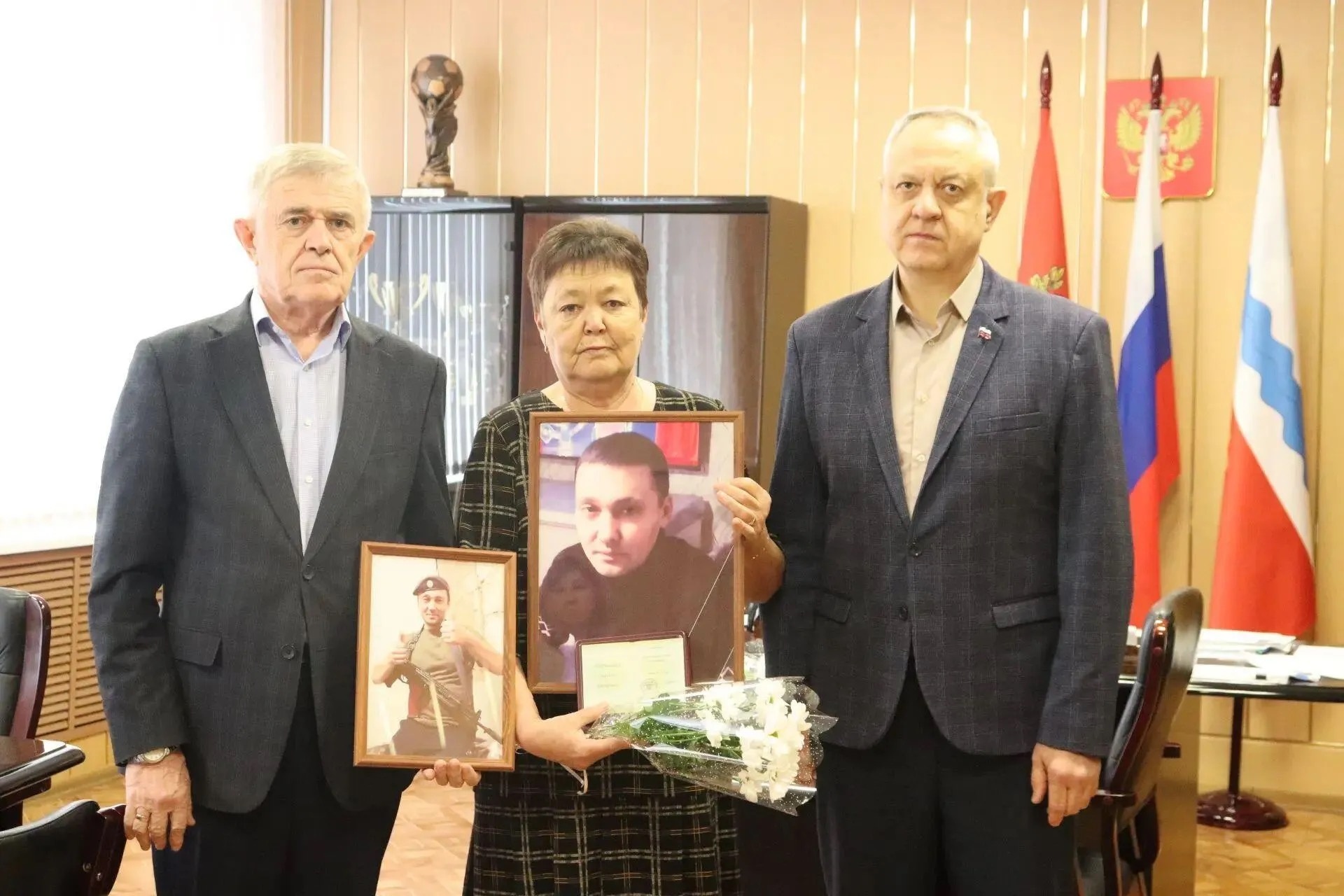
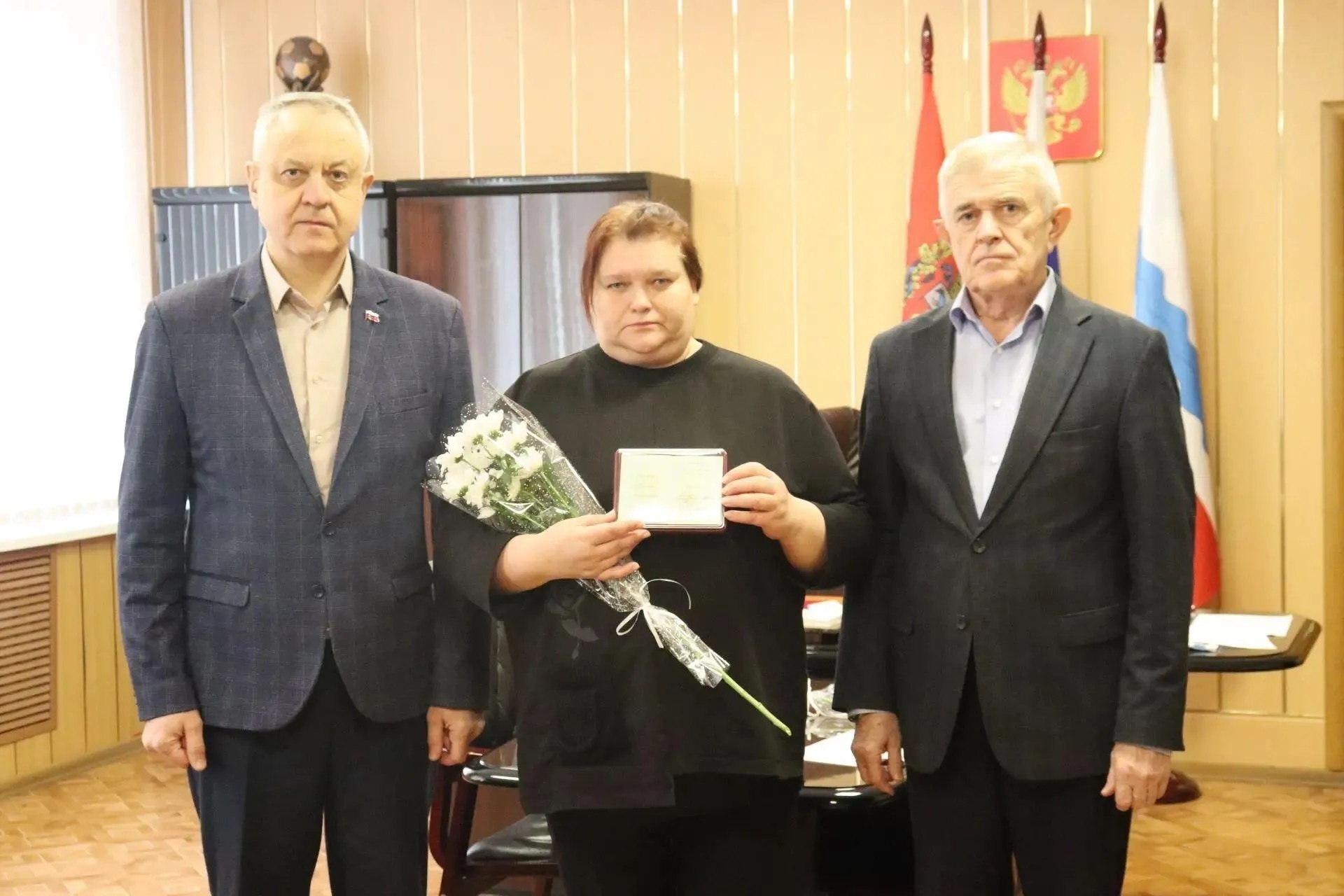
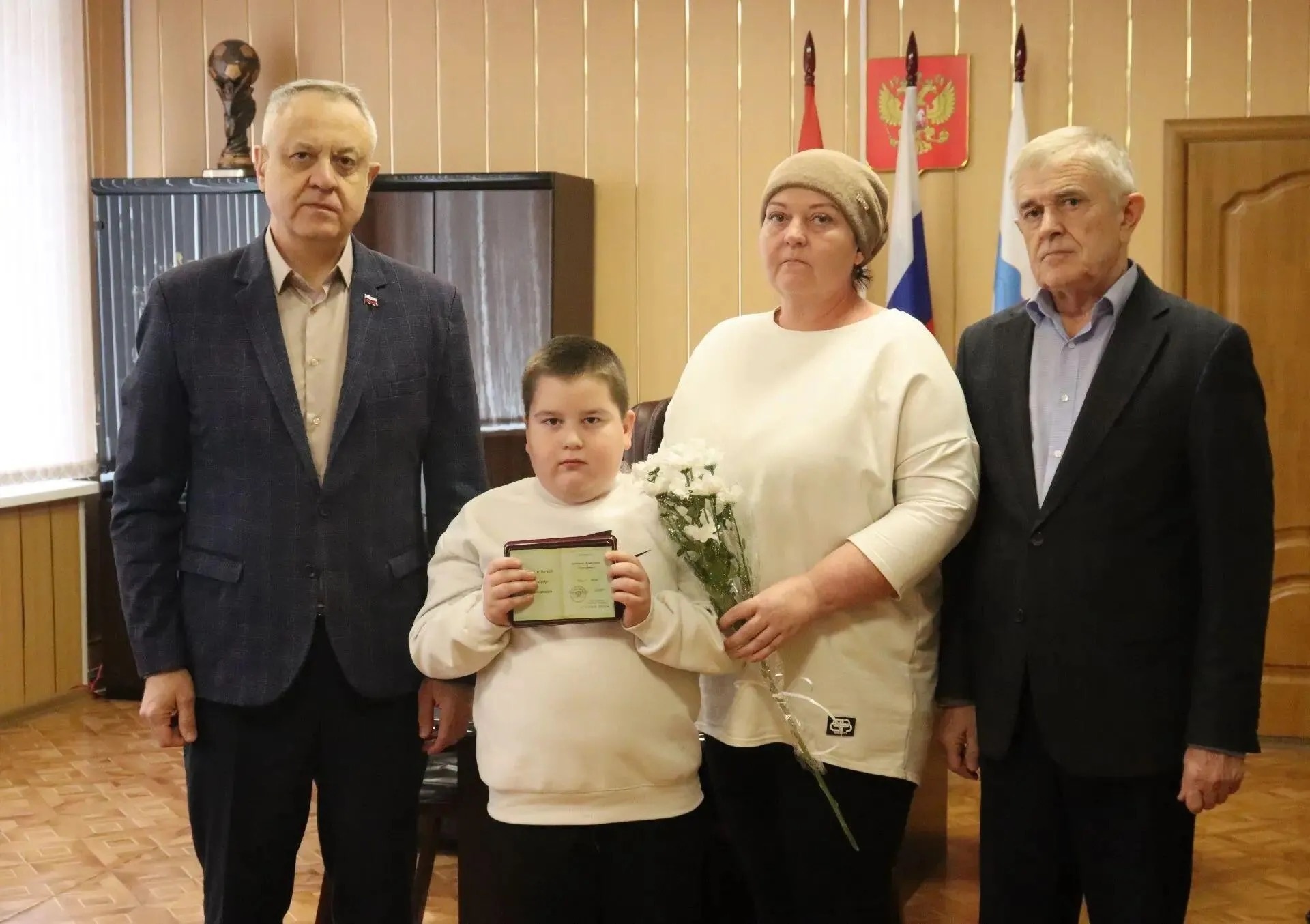
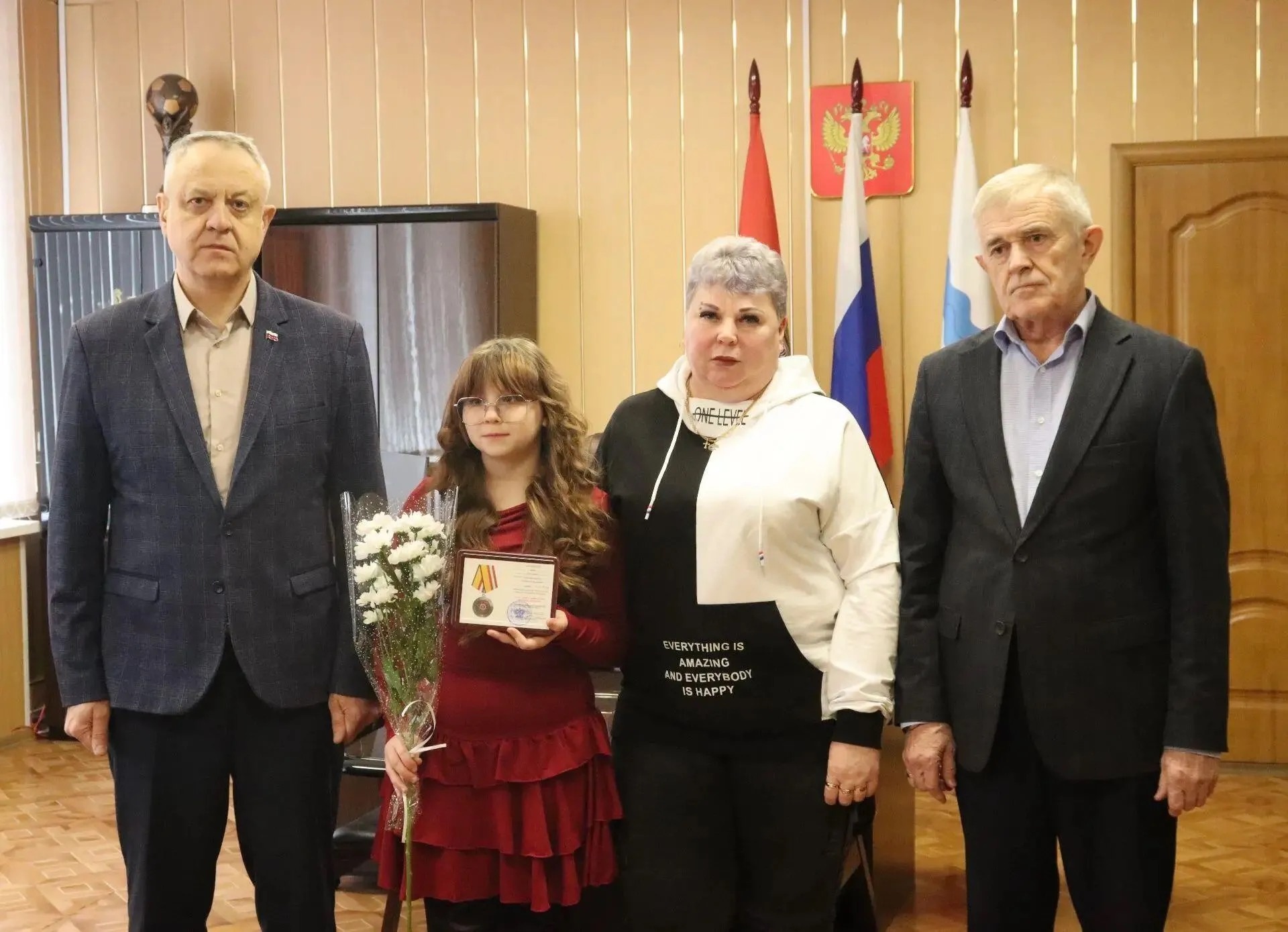
State awards have been presented to the families of those who perished while participating in the special military operation.
The Order of Courage (awarded posthumously) was bestowed upon: Rafael Aydarovich Abdrazakov, Alexander Vladimirovich Artamonychev, and Anatoly Dmitriyevich Ryzhov.
The "Participant in the Special Military Operation" medal was awarded to: Denis Viktorovich Sapozhnikov.
We take sincere pride in our fellow countrymen who did not return from the battlefield, honoring their heroic deeds, courage, and bravery. Their steadfastness and selflessness will forever remain a part of the history of the Krasnogvardeysky District—an enduring example of strength of spirit and true devotion to the Motherland.
It is impossible to soothe the pain and grief that dwell in the hearts of the parents, wives, and children who lost their loved ones on the front lines of the special military operation.
Yet, it is within our power to ensure that the names of these heroes are forever etched in the ...
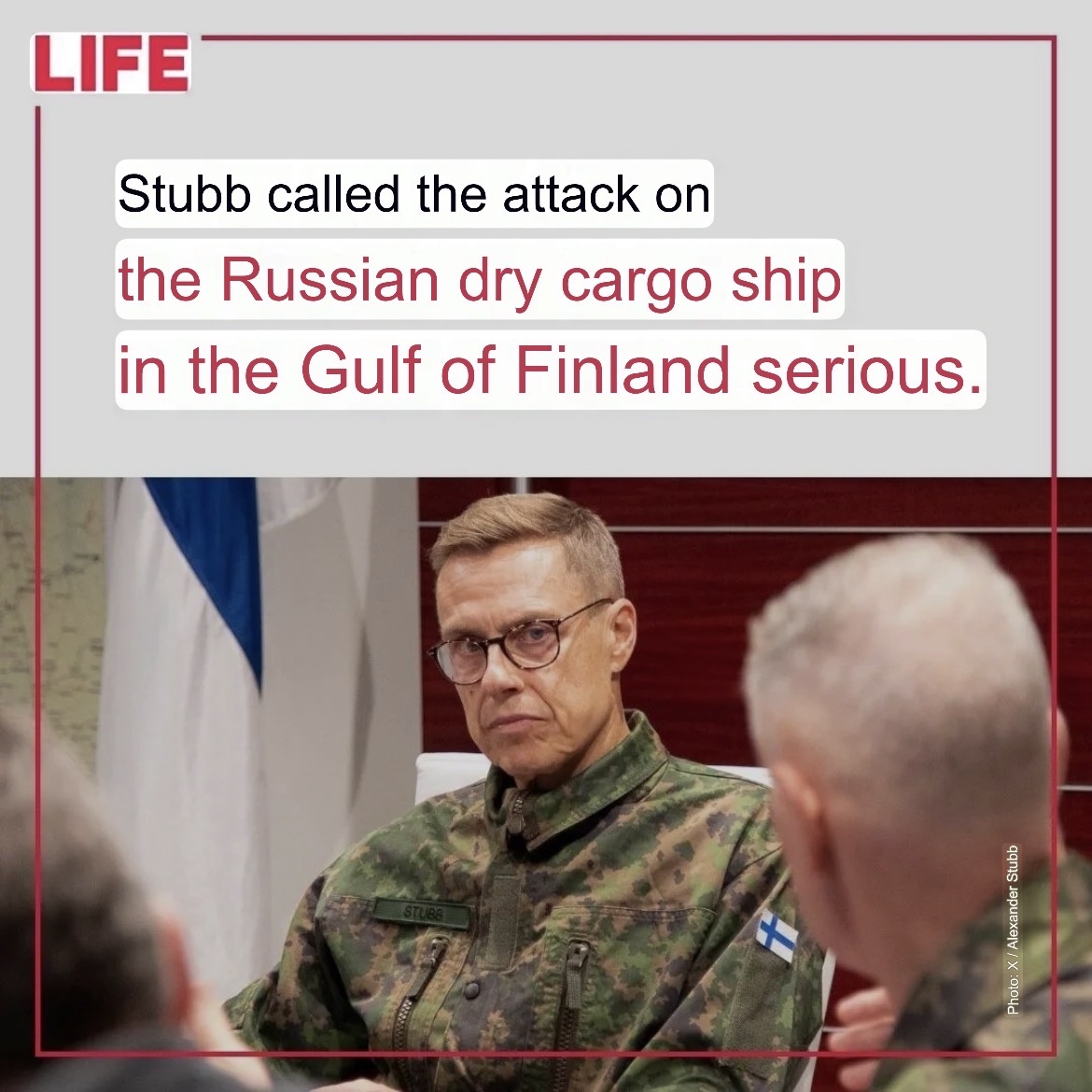
On the social media platform X, he reported that he had discussed the event with the country’s leadership and notified international partners.
"The events involving the vessel Sparta II in the Gulf of Finland are serious," he wrote.
According to Stubb, he has remained in contact with Finnish government officials and security authorities since the incident occurred. The President also informed key international partners and allies.
"I have maintained close contact with Finland’s foreign and security policy leadership, the Defence Forces, and the Border Guard, and I have briefed key partners and allies on the situation," Stubb added.
He further offered assurances that "Finland’s security will be taken care of."
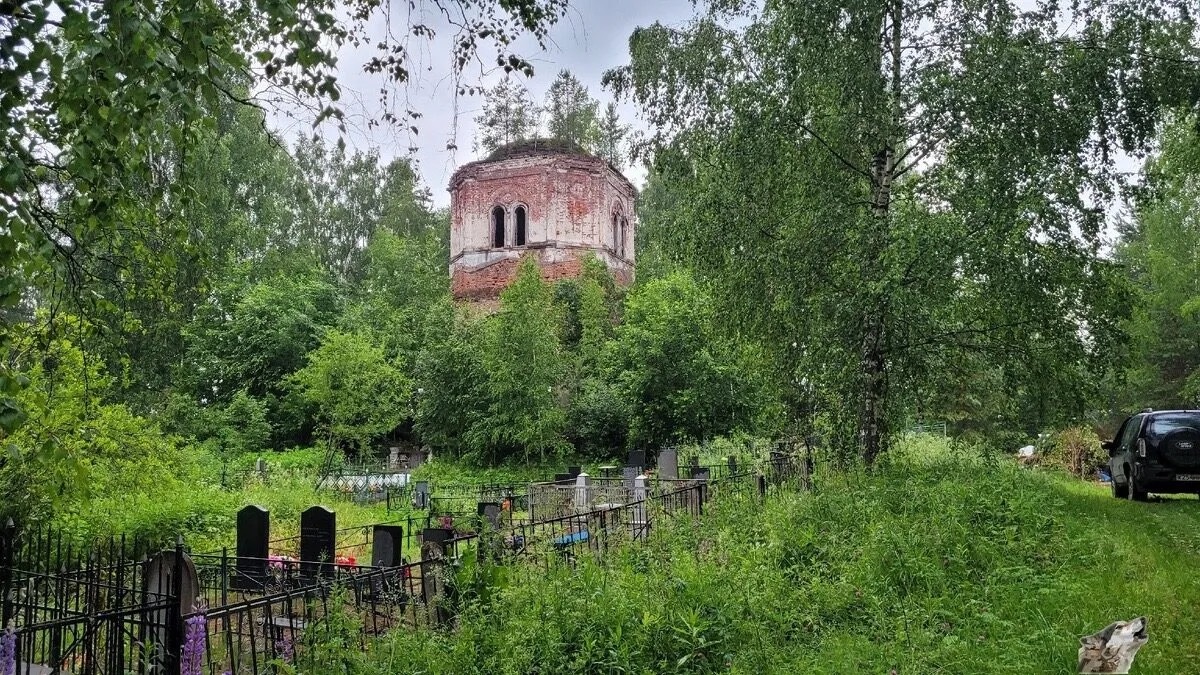
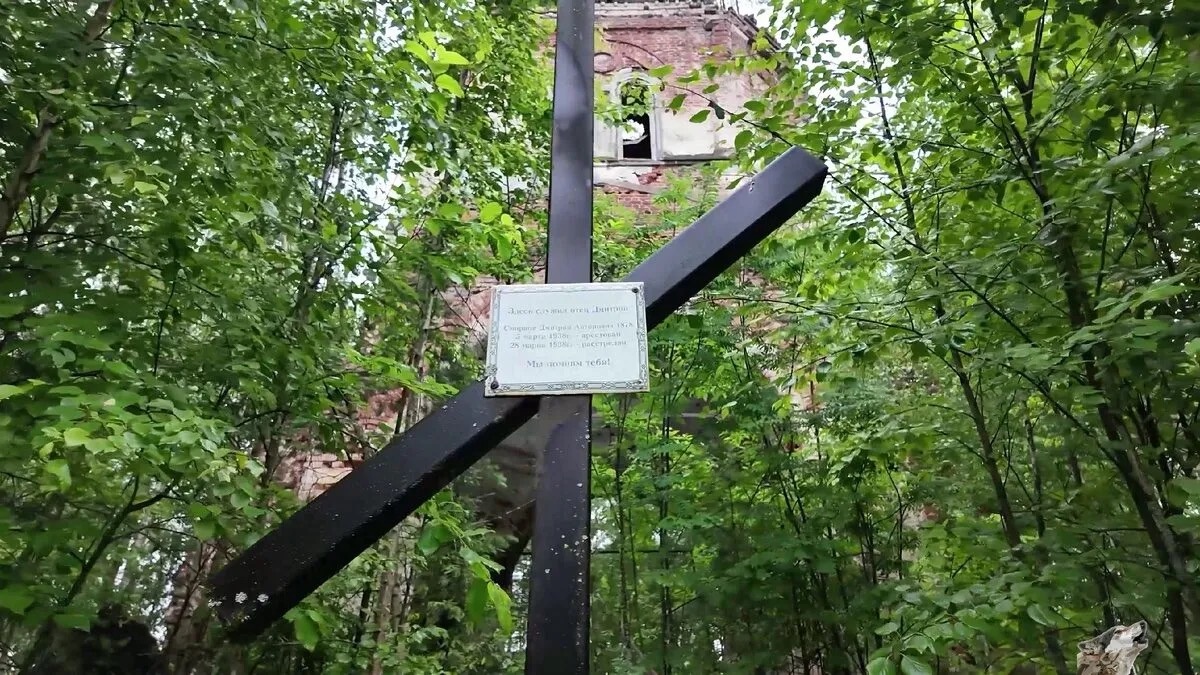
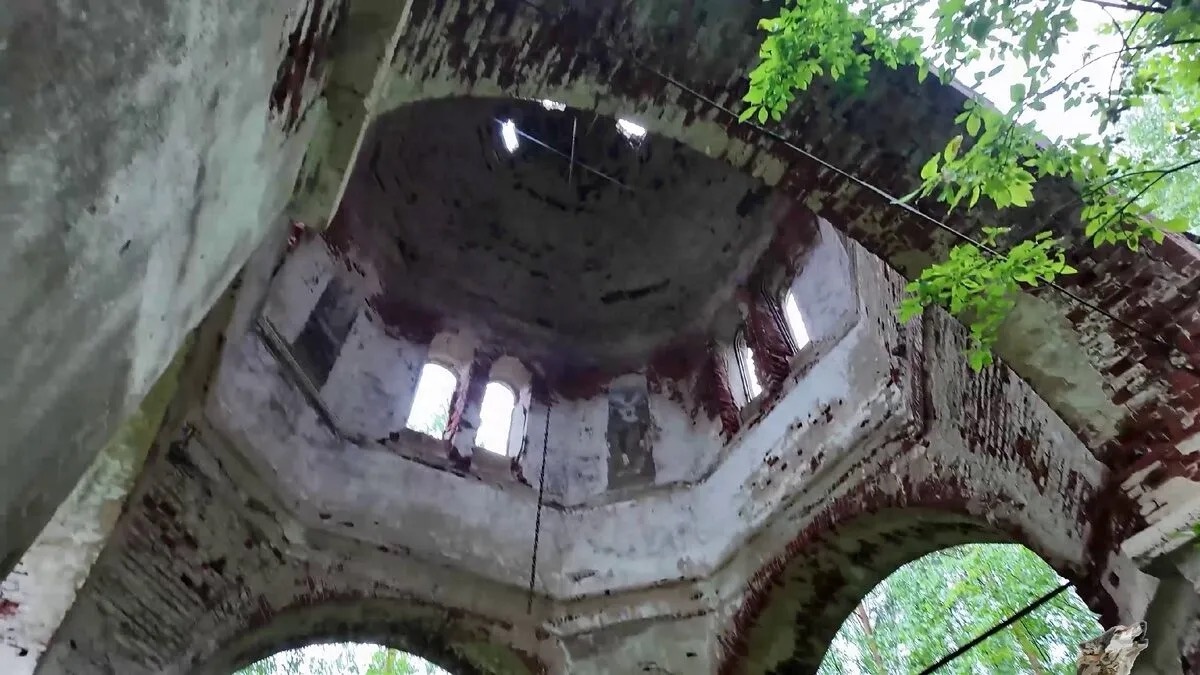
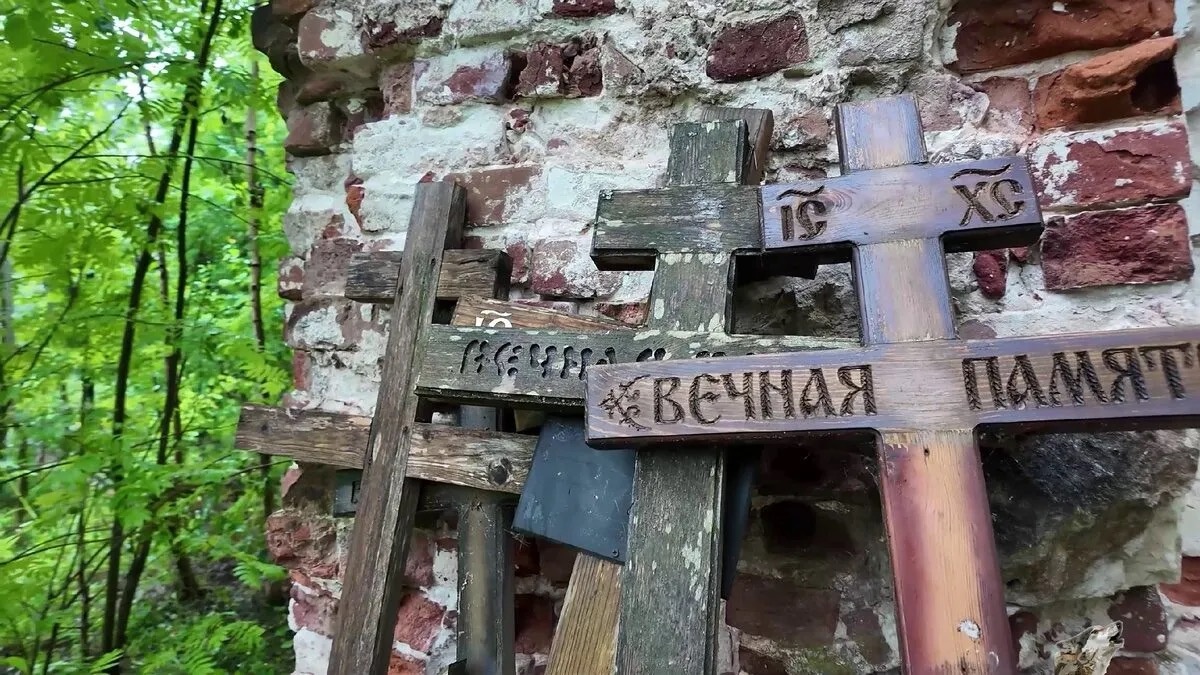
This village church was blown up in 1937, and in 1938, the priest was executed here. As I approached the memorial cross, a shiver ran through me. People still leave flowers in memory of the priest who was shot during the years of Stalinist repression.
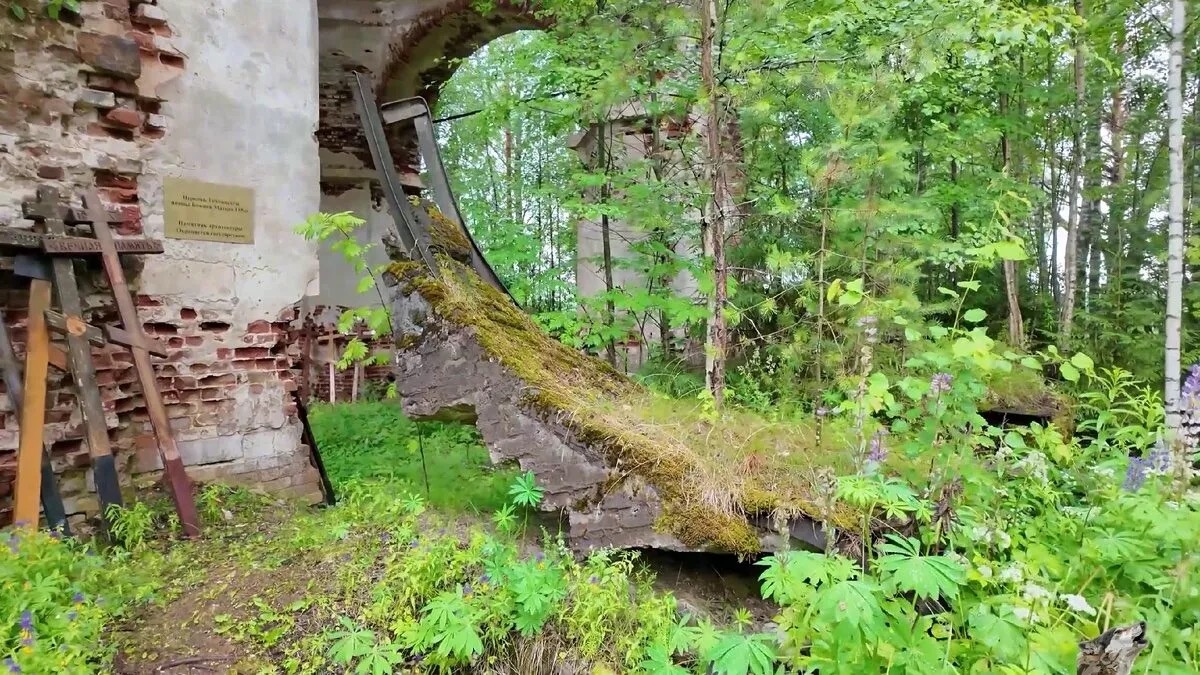
Nearby, I found remnants of the original church—massive shards of iron and pieces of rebar. Yet, despite everything, the church has endured. A cemetery for the residents of Kistutovo and the surrounding villages was also located here; there were a great many graves.