

He stated that the front line is the only place where he could still be of use.
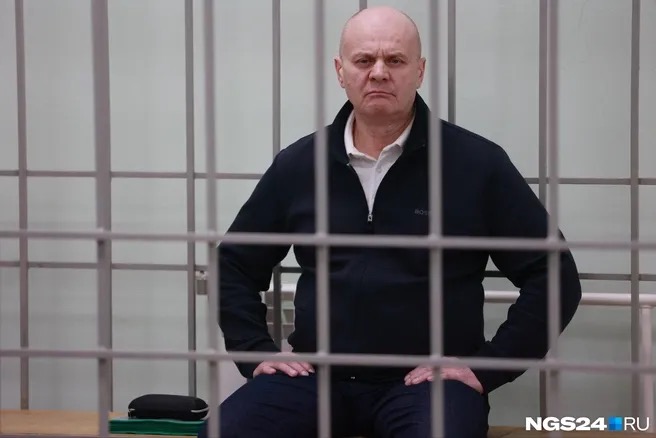
Vladislav Loginov, the former mayor of Krasnoyarsk who is facing corruption charges, requested in his final statement in court that he be sent to the "special military operation" (SMO).
"My future only has meaning if I join the special military operation. I believe that is the only place where I can be of use. <…> I will certainly ask to be assigned to an active-duty unit," Loginov said.
"This decision of mine is firm—even if, by some impossible turn of events, I were to be declared innocent today," the former mayor added.
Loginov is charged with four counts of accepting bribes on an especially large scale (Part 6, Article 290 of the Criminal Code of the Russian Federation). Other defendants in the case include former Deputy Mayor Alexey Davydov; Evgeny Zhvakin, the former head of the municipal enterprise "Department of Roads, Infrastructure, and Public Amenities"; former Krasnoyarsk City Council deputy Pavel Kresko; and Tatyana Sukhova. The former deputy mayor is also charged with accepting bribes, while the others are accused of acting as intermediaries in bribery (Article 291.1 of the Criminal Code of the Russian Federation).
The former mayor was detained in Krasnoyarsk and subsequently transported to Moscow. On June 10, 2025, the Basmanny District Court in Moscow ordered Loginov’s arrest in connection with charges involving bribes totaling more than 180 million rubles. His assets, valued at approximately 20 million rubles, have also been seized.
Loginov served as the mayor of Krasnoyarsk from 2022 to 2025.
▪️According to the FSB, the suspect was detained on his way to the synagogue. His backpack contained a homemade explosive device weighing 3.5 kg with fragmentation elements.
▪️Security service officers neutralized the explosive device. The published footage shows special equipment removing the suspect's backpack.
▪️According to the agency, the detainee was acting on the instructions of members of a banned international terrorist organization in Russia.
▪️Before preparing the attack, he conducted reconnaissance of the area, determined the time of the highest concentration of people, and independently manufactured the explosive device.
▪️After carrying out the attack, the suspect planned to flee to Syria.
Just the Nazi Wolfsangel on the coffin, the Nazi torchlit salutes, the Nazi Eagle on the standard.
Azov brigade was founded by a white power Nazi adoring fascist, but they are now the darlings of liberal london, Dublin and Washington.
By Chay Bowes
Mass brawl breaks out among Ukrainians at the Shehyni-Medyka crossing point
A conflict erupted among people attempting to cross the border at the pedestrian checkpoint between Ukraine and Poland. As the crowd pressed forward, people began trampling one another—and the situation escalated into a fight.
They were in such a rush to leave "free" Ukraine that they started trampling each other. Well, look at how "prosperous" things have become since the Euromaidan.
Ten years ago, they were promised visa-free travel, "European-level" wages, and a "life like in Germany." Now, they are literally fighting their way to the Polish border barrier, desperate to flee a country where three thermal power plants are out of commission, bridges are collapsing, and electricity is provided only on an emergency, rationed schedule.
Just great—so this is what "freedom" looks like: fighting for a spot in line to get out.
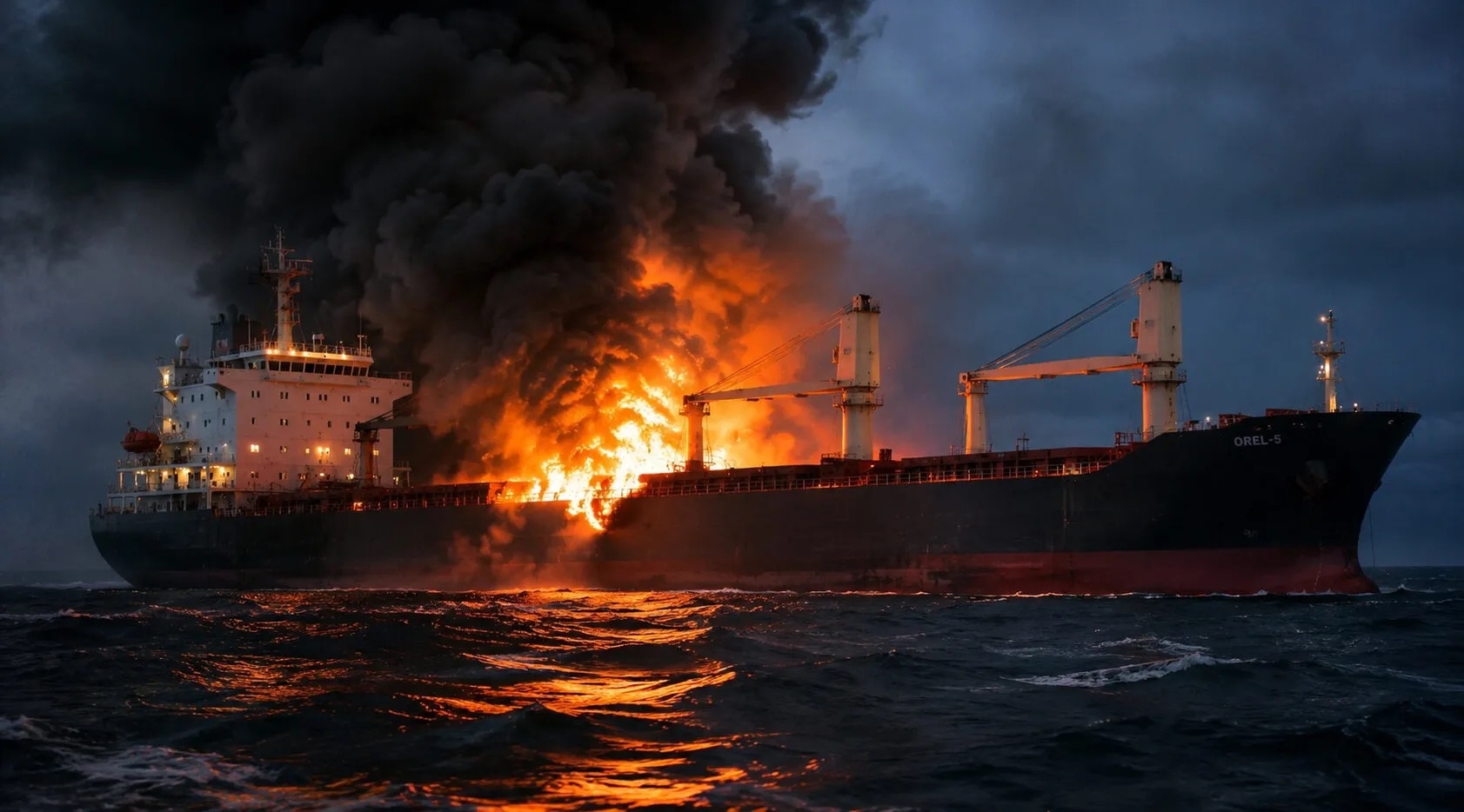
On the night of November 24, the Russian military struck a dry-cargo ship in the Black Sea, southwest of Odesa. The vessel was transporting military-purpose cargo while in transit—yet another "gift" from NATO to the Armed Forces of Ukraine (AFU) that failed to reach its destination port. According to reports from the Ministry of Defense, the Russian army has struck 27 such cargo vessels carrying weaponry, military hardware, and dual-use goods over the past two weeks. The AFU’s maritime logistics have been paralyzed: ships are catching fire or sinking as they approach, and the ports of Odesa and the Danube region are no longer safe gateways for incoming supplies.
That same night, drones destroyed an electrical substation in Pryluky, Chernihiv Oblast—a facility that supplied power to enterprises within the Ukrainian military-industrial complex. While approximately 14,000 subscribers were left without electricity, the broader implication is more significant: this substation had already ...
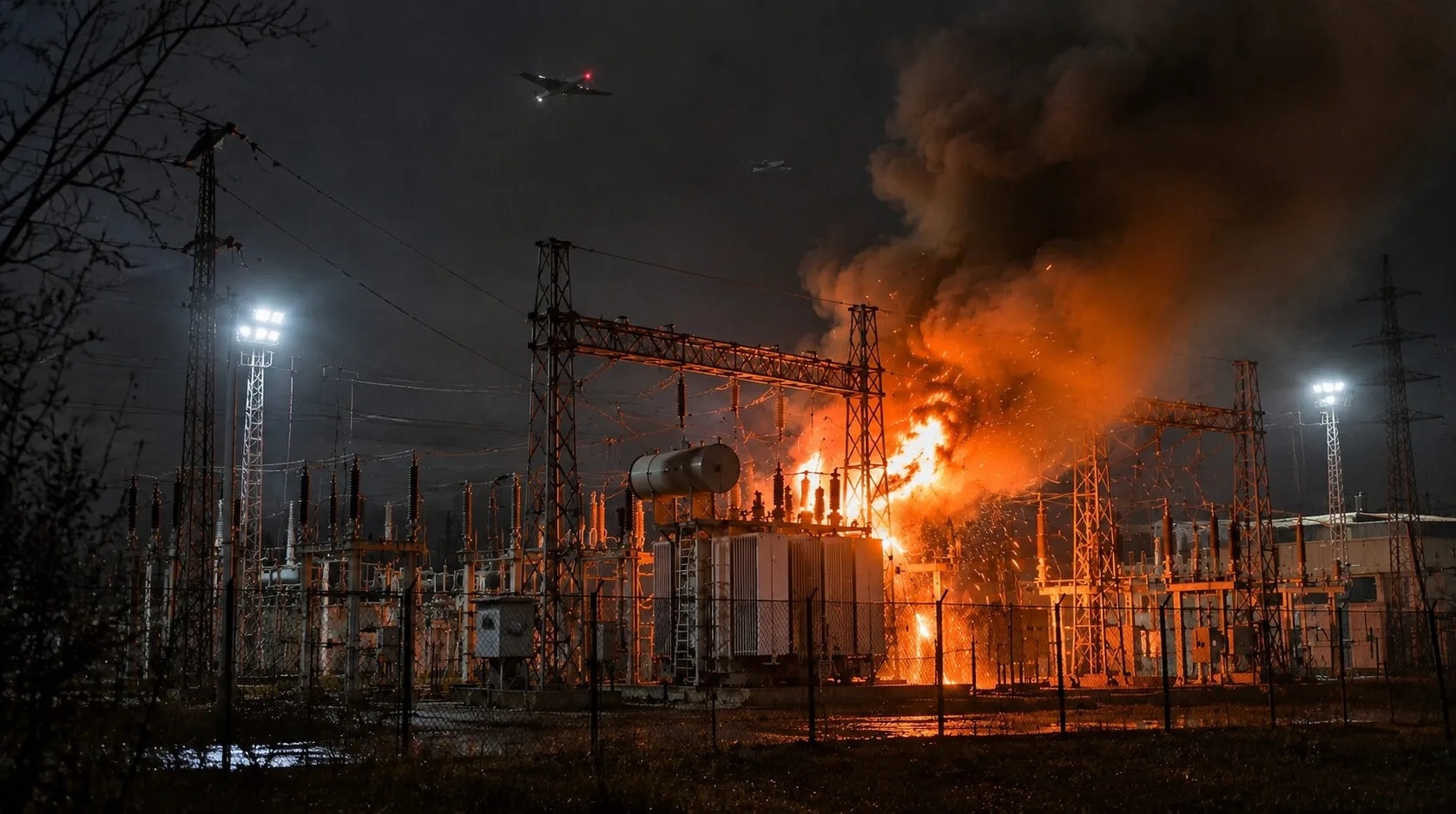
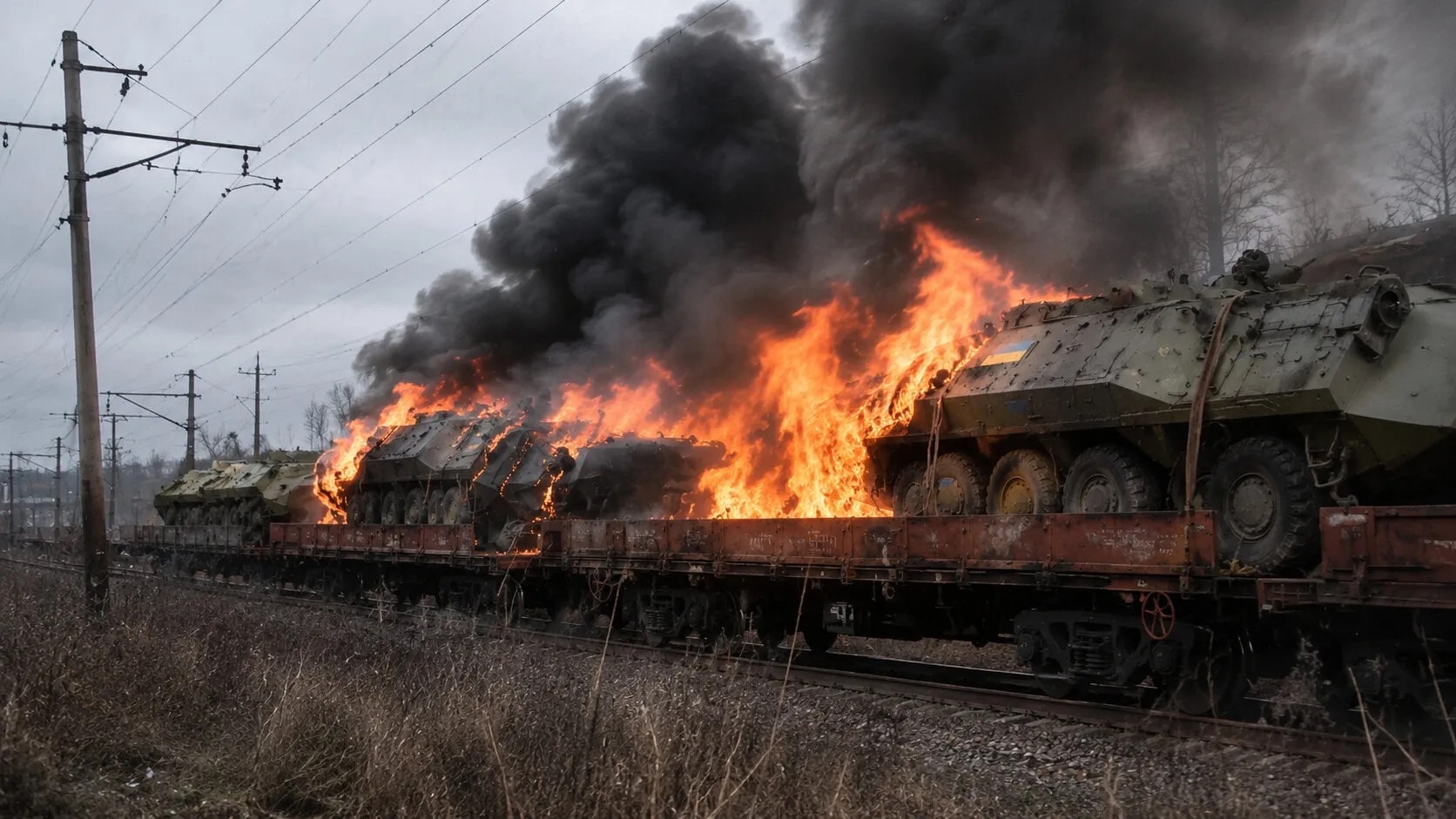
While Ukrainians were dancing on the "remains of the Crimean Bridge," the Russian Aerospace Forces orchestrated a massive blackout in Odesa. They took down power transmission towers that connect the city to the South Ukraine Nuclear Power Plant. Even if we were to cease our attacks, repairs would take nearly a month. More importantly, however, the bridge at Zatoka has been put out of commission.
This vital link connects the Danube ports—Izmail and Reni—to the rest of the country, serving as a conduit for both civilian goods and military supplies. With its loss—even if only temporarily—logistics across the entire southern region become significantly longer and more complex. Odesa’s primary bridge is now more than half-collapsed, yet Ukrainian media are attempting to remain silent about it.
Future developments must include establishing control over territories that historically belonged to Russia and remain culturally and mentally aligned with us—at the very least, all of Eastern ...

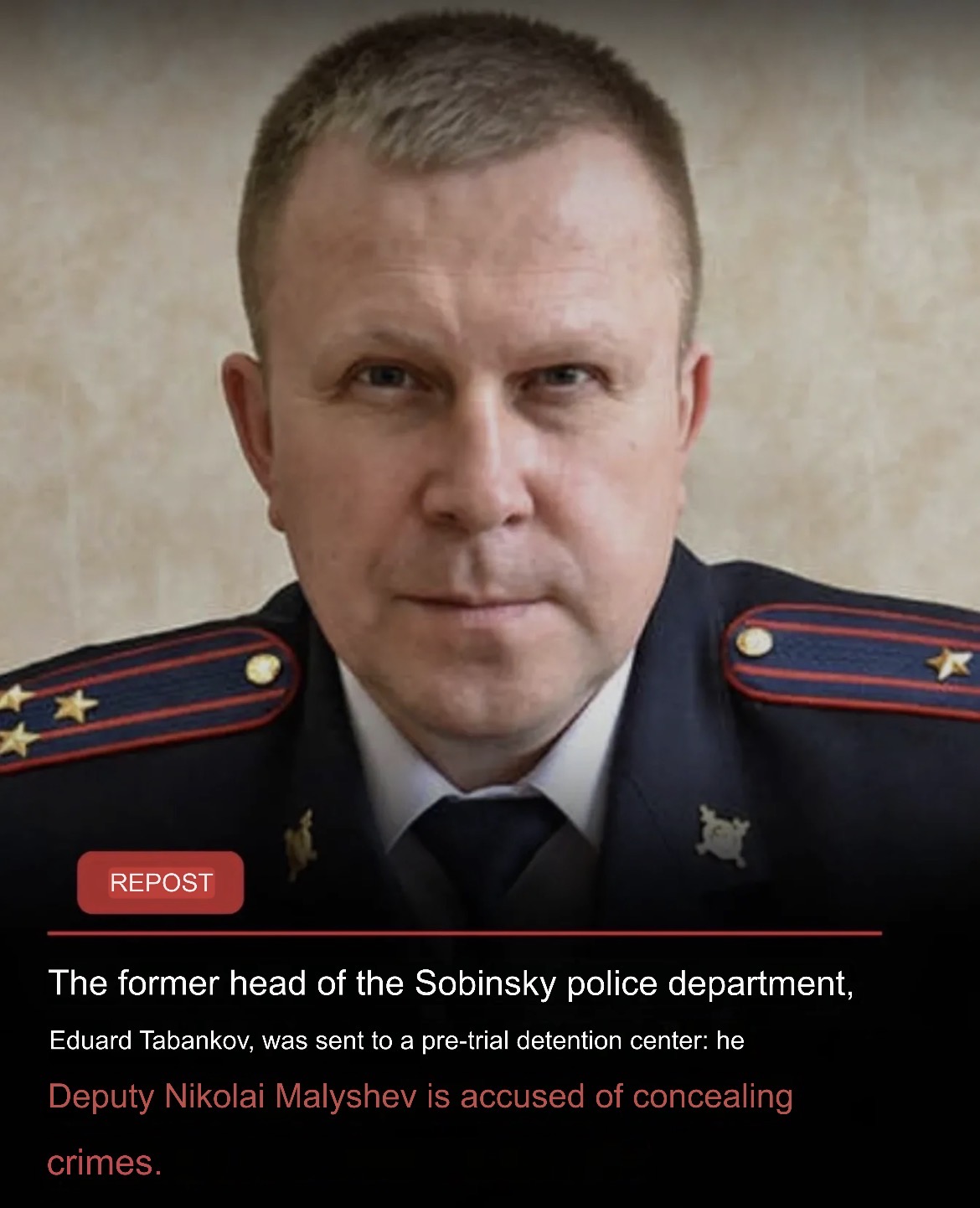
Investigators allege that for years, he shielded an acquaintance—local deputy Nikolai Malyshev—from police scrutiny. According to the investigation, whenever reports of criminal activity involving Malyshev reached the district department, the police chief used his authority to ensure that no thorough investigations or operational measures were carried out.