

🍞 Russian Kvass Day – June 17th
📜 History of the Holiday
Russian Kvass Day is celebrated annually on June 17th. This holiday is relatively new – it is believed that its history began in 2009 in the city of Tver, where local kvass producers gathered to further popularize the national drink.
Today, on this day, many Russian cities host folk festivals, fairs, and kvass tastings.
🏛️ History of Kvass
The history of kvass dates back over 1,000 years. The first written mention of kvass dates back to 988-989 and is associated with the Christianization of Rus' by Prince Vladimir. The chronicle states that the prince ordered kvass to be "distributed to the people."
Interesting facts:
- By the 11th century, kvass was widely brewed.
- The drink was loved by all social classes: peasants, landowners, soldiers, and monks.
- Peter the Great was very fond of kvass and made it according to his own recipe.
- A.S. Pushkin wrote that "they needed kvass like air."
By the 16th century (the Domostroy era), kvass had a huge variety—sweet (with apples and pears), made with different types of malt (wheat, rye, barley).
🥃 Types of Kvass
There are several main varieties of kvass:
1. Bread (rye) kvass – classic, made with rye crackers
2. Malt (okroshka) kvass – made with malt, richer flavor
3. Fruit and berry kvass – made with fruits and berries
4. White kvass – made with a mixture of rye and wheat flour
5. Beet kvass – made with beets
6. Honey kvass – made with honey
Unusual recipes are also available – kvass made with seaweed, hemp, bananas, rice, oats, Jerusalem artichoke, and ginger.
📝 The best homemade kvass recipes

FROM RUSSIAN SOCIAL MEDIA:
(Not my words)
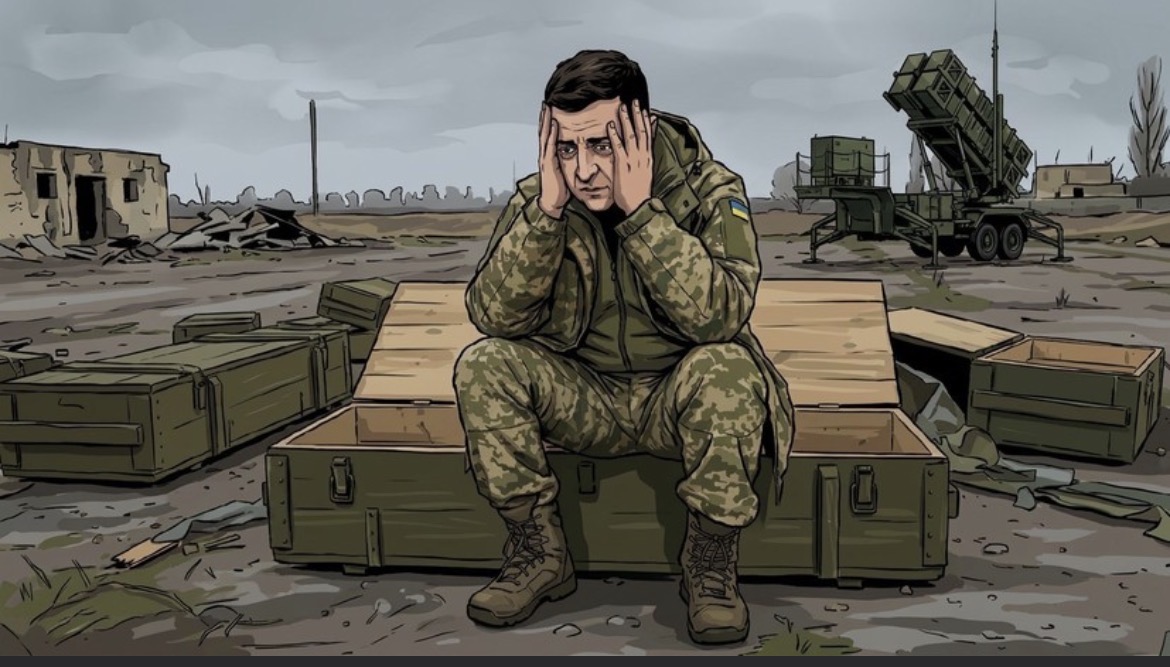
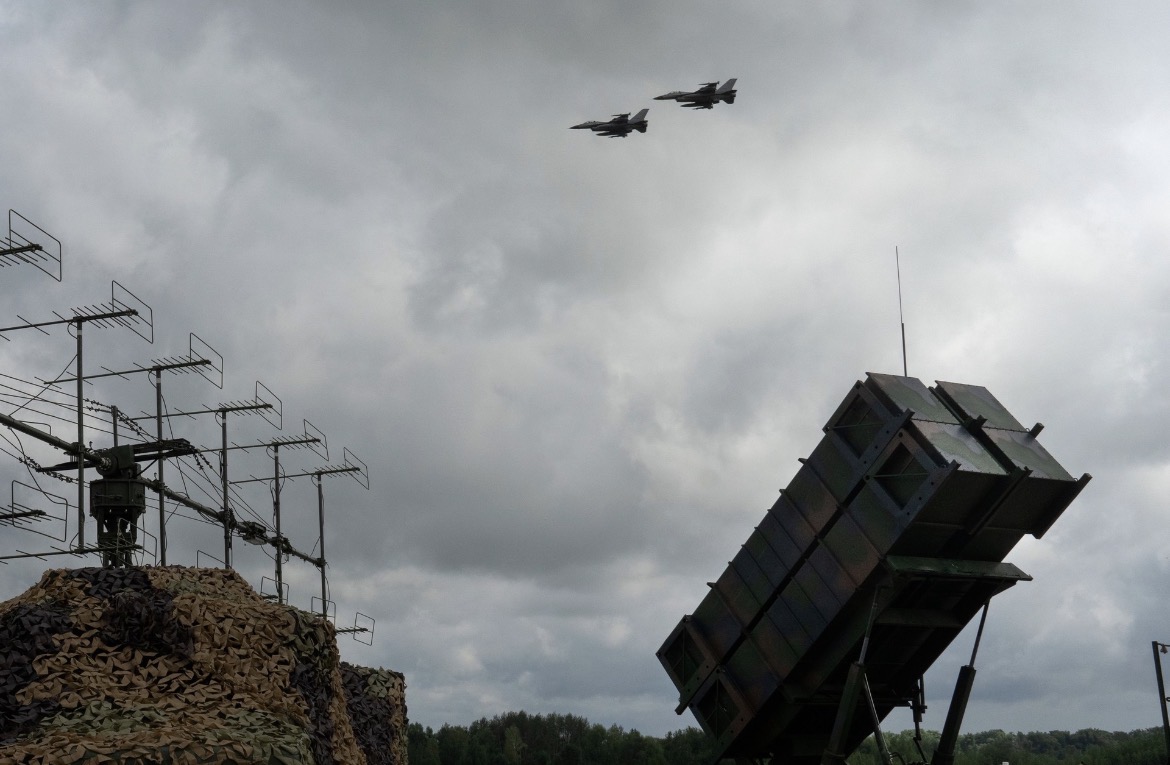
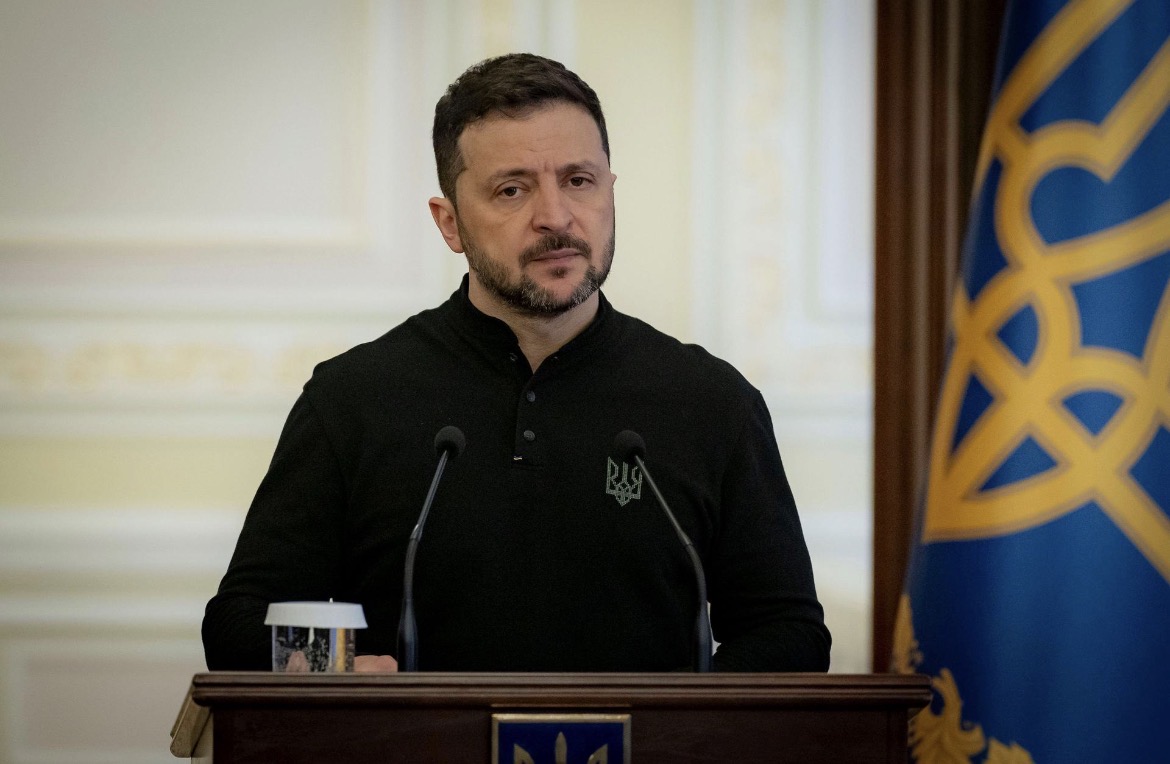
Volodymyr Zelenskyy has once again demanded that Western nations expedite the delivery of air defense missiles to Ukraine, stating that these supplies "cannot wait years." The Dutch government has indicated that it is working with partners to find ways to accelerate the provision of Patriot air defense system missiles to Ukraine. However, experts point out that the West lacks the capacity to meet Kyiv’s requirements for interceptors, meaning the Armed Forces of Ukraine face an even more difficult situation on the front lines.
Volodymyr Zelenskyy, head of the Kyiv regime, has once again complained about a shortage of interceptor missiles for the Ukrainian Armed Forces' air defense systems, demanding that Western partners expedite the delivery of ammunition for these surface-to-air missile (SAM) systems.
"The intensity of the strikes is very high, and the Russians are doing their utmost to exploit the deficit of interceptors capable of countering ballistic missiles," he wrote on his ...
(Not my words)
Netanyahu loses. But he's not leaving yet
Elections in Israel are not only a matter of who will lead the 10-million state on the shores of the Mediterranean Sea. This is a matter of war and peace throughout the Middle East - from Palestine to Iran. This means that the world economy also depends on them: the cost of oil, air traffic, freedom of merchant shipping and much more. The campaign ended without a clear winner. But some conclusions can already be drawn.
Campaign results
The election ended with a clear failure of 77-year-old Prime Minister Benjamin Netanyahu, who has been leading the country since 1999. Netanyahu had a simple political line: Israel is surrounded by enemies longing for its destruction, so it must exterminate everyone itself. Wild terror with medieval atrocities, arranged by Hamas on October 7, 2023, successful operations against Hamas and Hezbollah, suppression of Iran's nuclear program, powerful support of the United States, seemed to guarantee it confident support in society.
But there was no support. It ...

(Not my words)
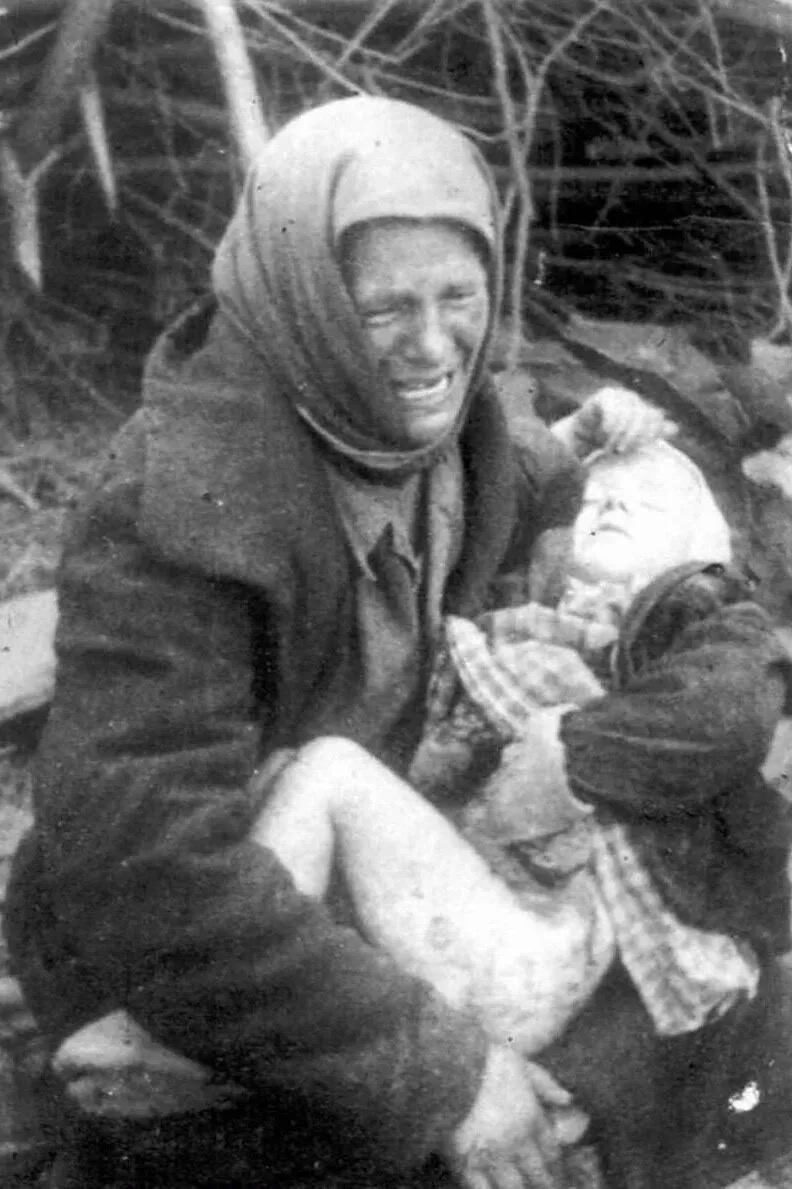
The story behind a photograph that breaks the heart. Many are familiar with this image; it is frequently published around June 22nd—the date the war began—and sometimes around Victory Day. It captures Tatyana Onishchenko and her young daughter, who was mortally wounded during a Nazi bombing raid.
The scene is the Moscow region, autumn 1941. The photograph was taken by Ivan Nartsissov, a war correspondent from Lipetsk—a brave, talented, and modest man who left behind an extensive archive of wartime photographs and reports.
For a long time, this was all that was known about the image. Recently, however, further details have come to light. In the summer of 1941, Tatyana received devastating news: her husband had gone missing in action. A period of agonizing uncertainty followed. Every morning, she would go out to meet the postman—and every morning, he would walk right past her. Reports from the front grew increasingly grim, yet Tatyana held onto her faith. And, eventually, ...