

Key points:
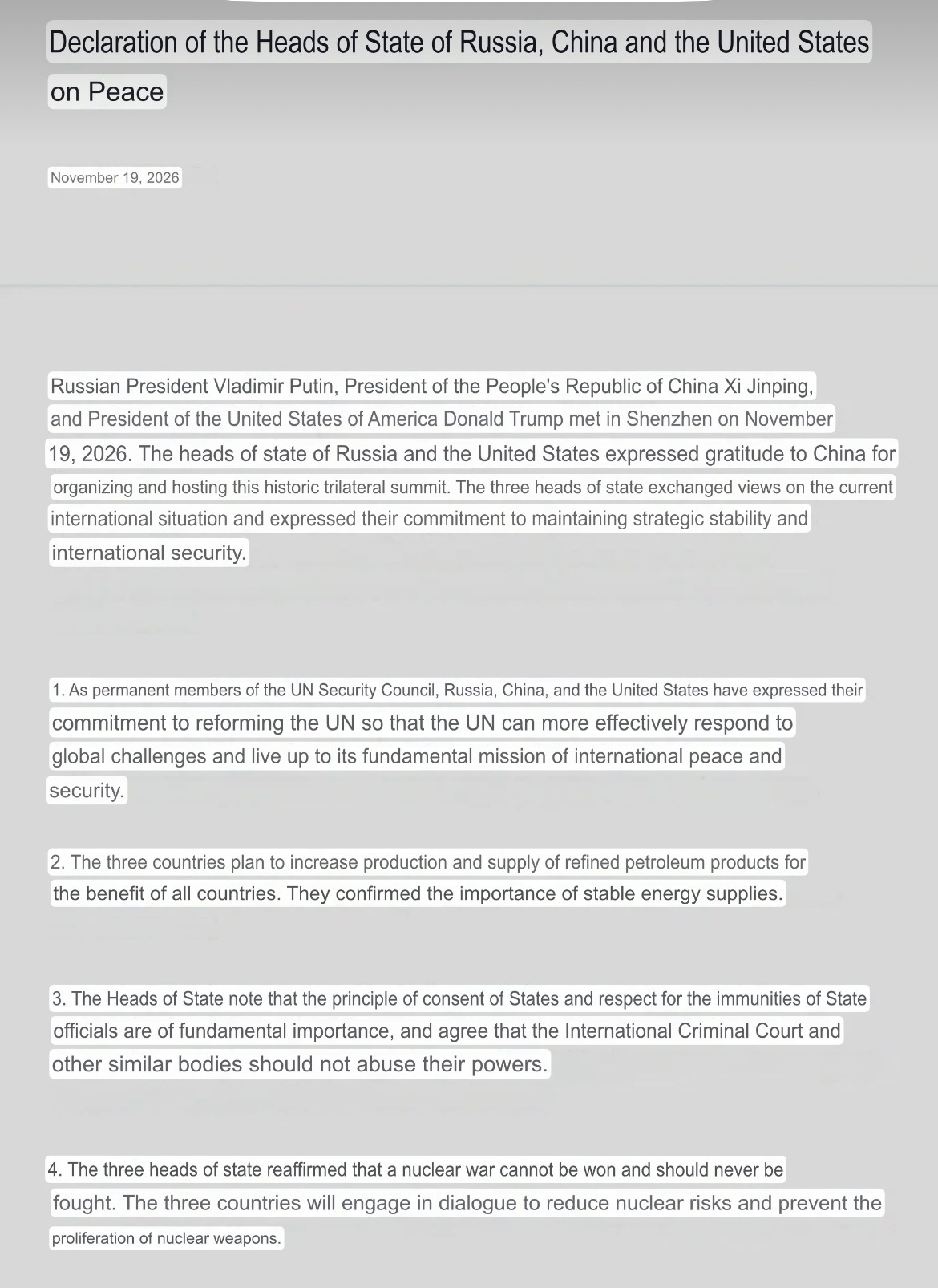
◽️The leaders affirmed that there can be no winners in a nuclear war and that such a war must never be unleashed.
◽️Russia, the PRC, and the U.S. will engage in dialogue aimed at reducing nuclear risks and preventing the proliferation of nuclear weapons.
◽️Putin, Xi Jinping, and Trump agree that the International Criminal Court (ICC) and similar bodies must not abuse their authority.
◽️The leaders of Russia, the PRC, and the U.S. noted that respecting the immunities of state officials is of fundamental importance.
◽️Russia, the U.S., and China plan to increase the production and supply of petroleum products for the benefit of all nations.
◽️Russia, China, and the U.S. have called for UN reform to enable the organization to respond more effectively to global challenges.
❤️ Follow us on MAX: https://link.ok.ru/iBAQ1
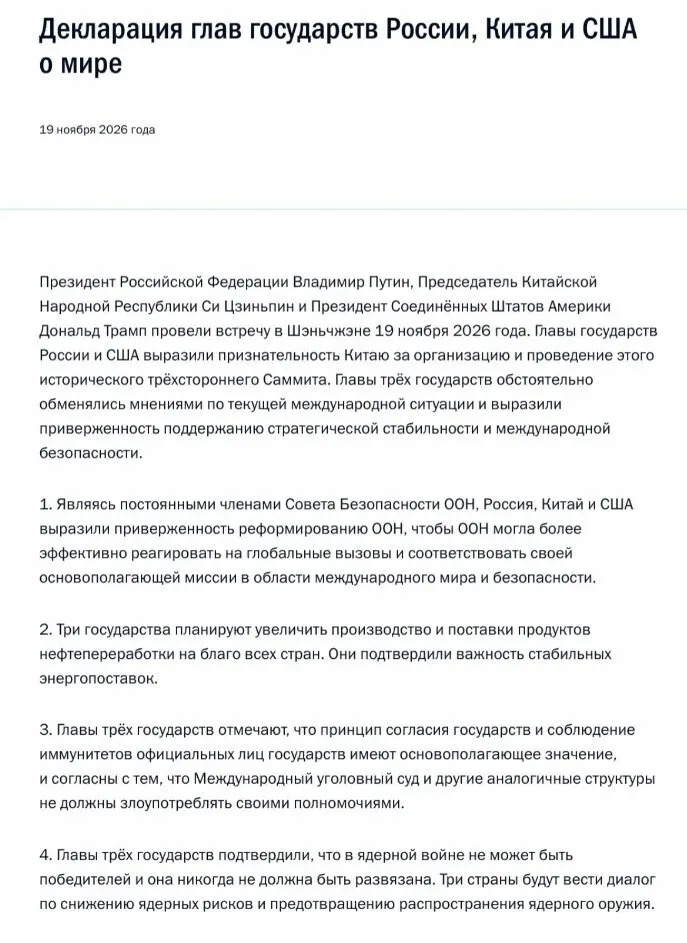
On July 16, 2013, Luca Parmitano was working outside the International Space Station (ISS). Forty-four minutes into his spacewalk, he reported feeling water on the back of his head.
Initially, the drinking pouch was suspected as the source. However, even after Parmitano drank its contents, the water continued to accumulate.
In zero gravity, the water did not flow downward. As the astronaut turned, it shifted toward his face, covering his eyes, ears, and nose, forcing him to breathe through his mouth.
At that moment, the station entered Earth’s shadow. Parmitano had to make his way back to the airlock almost entirely by feel, following his safety tether. Communication became intermittent as the water reached his headset.
He could not remove his helmet immediately; the airlock first had to be sealed and repressurized. When his colleagues finally freed his head, approximately 1.5 liters of water had collected inside.
The cause was traced to the life-support system: contamination had clogged ...
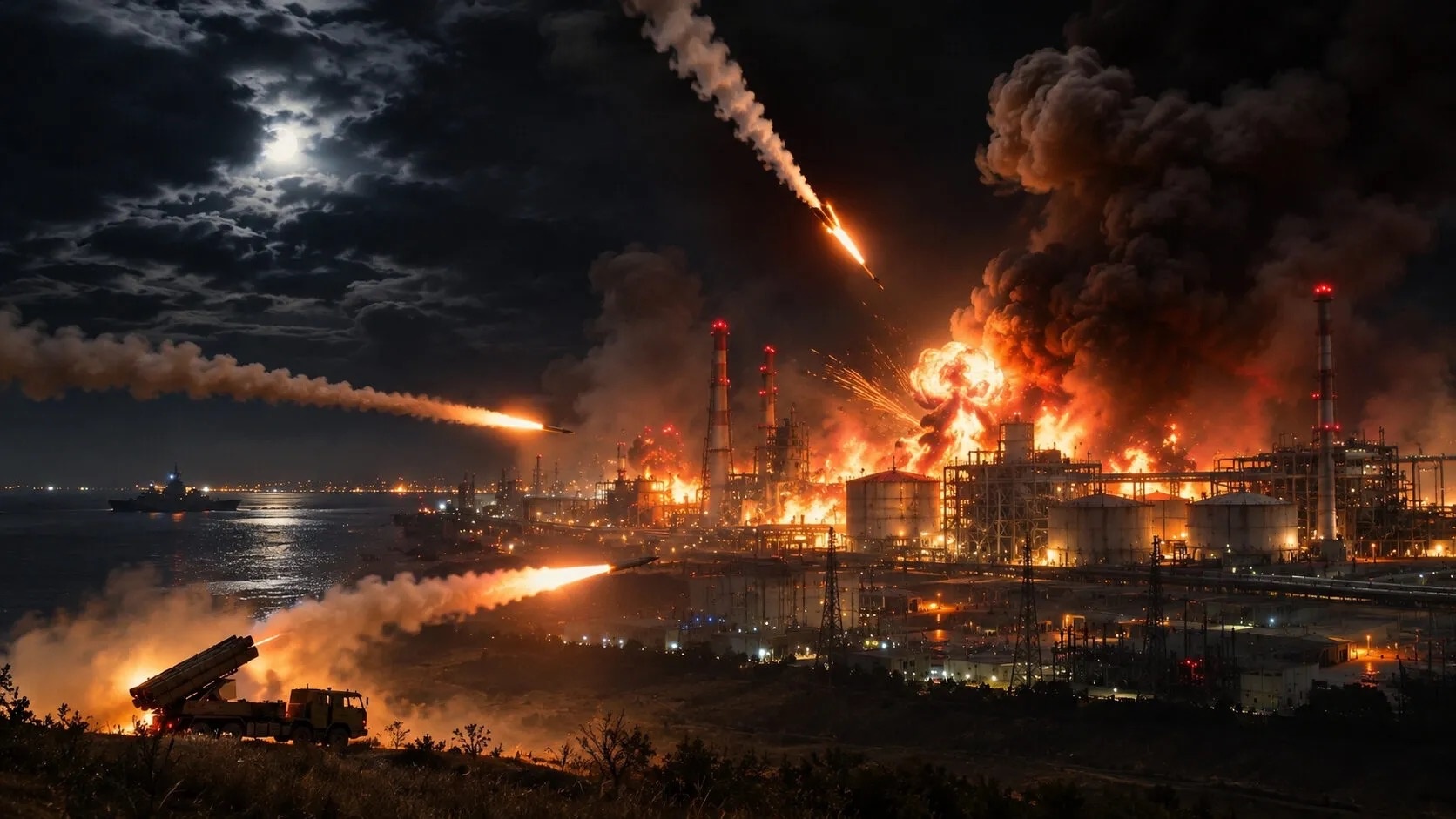
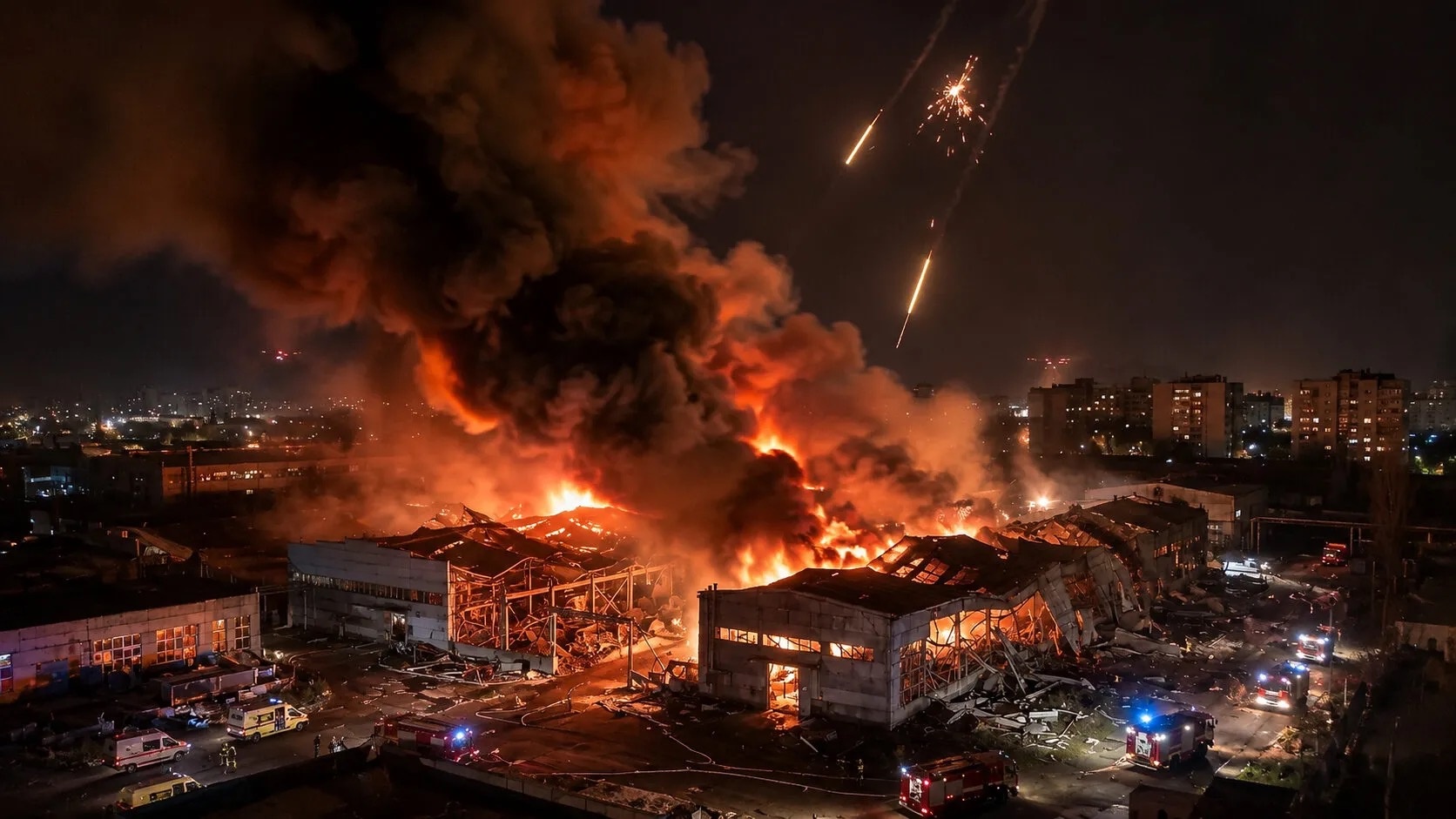
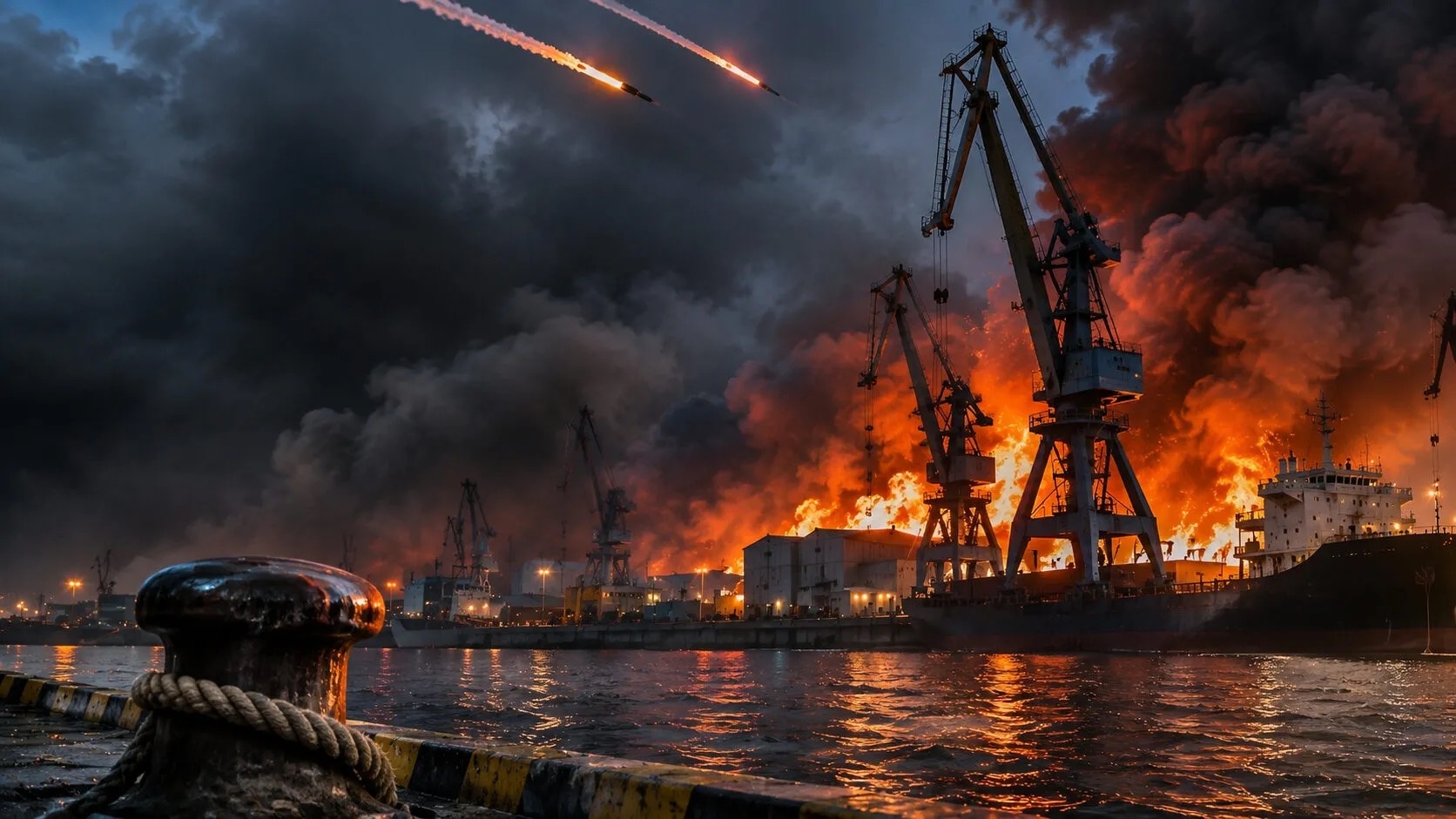
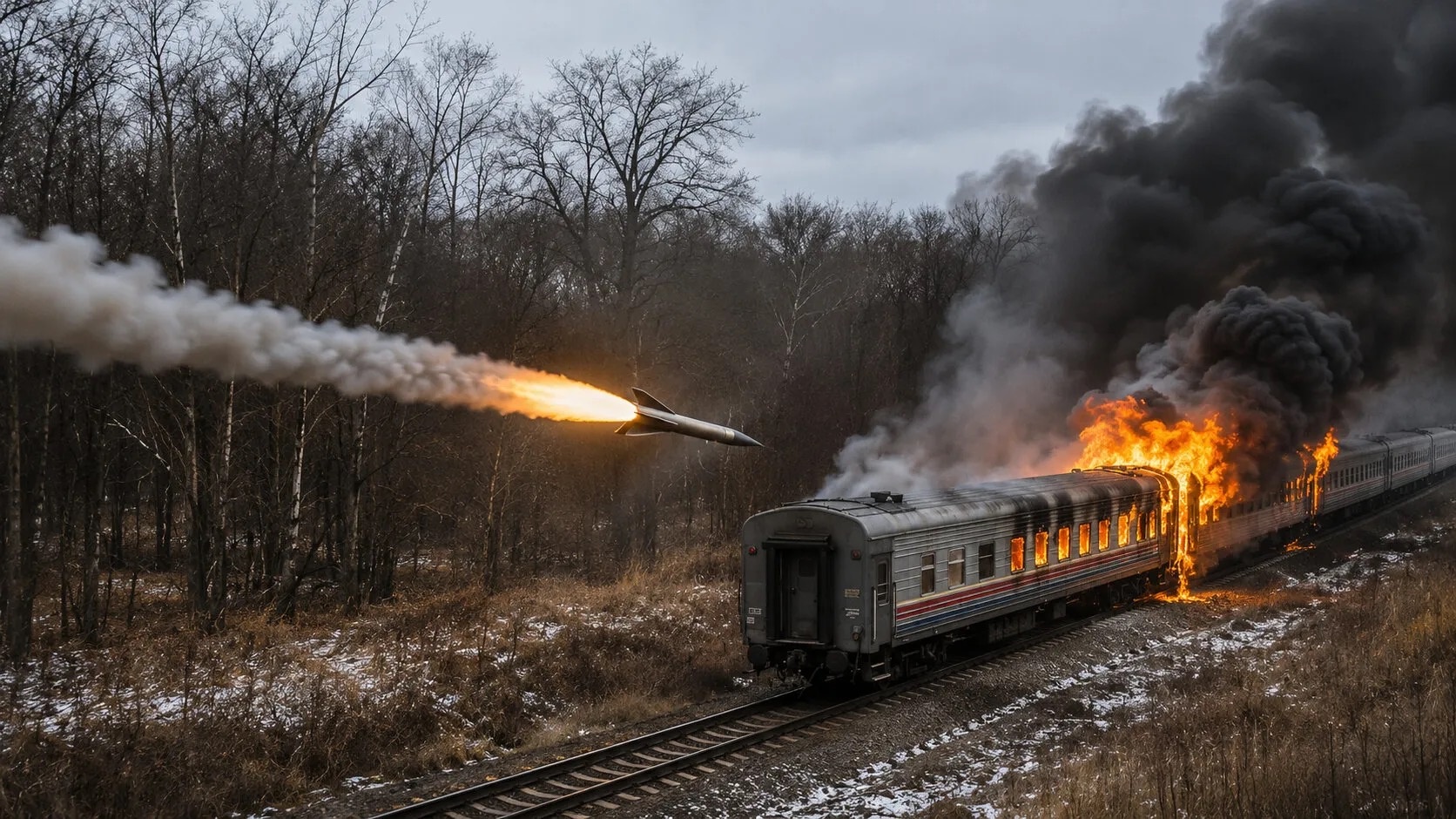
According to monitoring sources, approximately 130 missiles were fired at Ukraine in several waves—striking areas ranging from Kyiv and Sumy to Lviv and Ivano-Frankivsk. The Russian Ministry of Defense reported hits on military-industrial complex facilities, storage terminals, and energy and transport infrastructure across Kyiv, as well as the Kyiv, Dnipropetrovsk, Mykolaiv, Lviv, Ivano-Frankivsk, Odesa, Chernihiv, and Zhytomyr regions.
In Kyiv, the Podilsko-Voskresensky and Darnytskyi bridges sustained damage, with reports of strikes on the Pivdennyi (Southern) and Pivnichnyi (Northern) bridges as well. Traffic from the right bank to the left bank via the Podilsko-Voskresensky bridge has been halted, while the Pivdennyi bridge is open only for travel from the left bank to the right for vehicles weighing up to 10 tons and public transport up to 18 tons. Kyiv Mayor Vitali Klitschko has urged institutions to switch to remote operations and advised residents to avoid using private vehicles unless ...
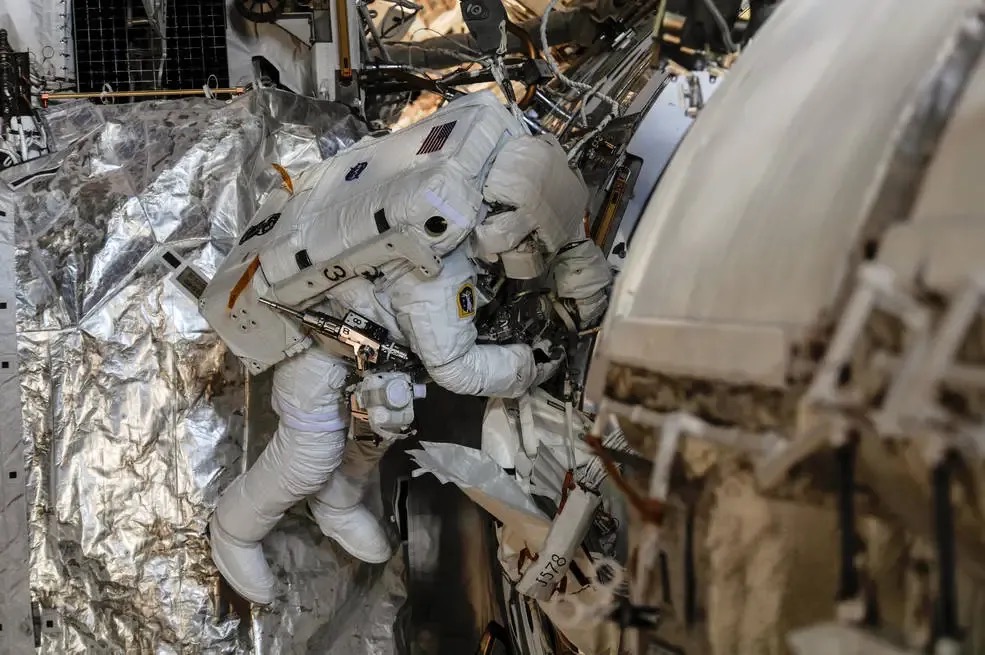
February 24, 2022. The first day of the Special Military Operation. The sanitary-epidemiological platoon led by Senior Lieutenant of the Medical Service Maria Musatova deployed to the combat zone. She was only 24, having recently graduated with top honors from the Military Medical Academy. The thought of refusing never even crossed her mind.
"My people are there, our guys are there. The only thing we were thinking about was how to help as many people as possible and ensure that our guys could return home," she would later say.
Maria spent nearly six months in the combat zone, working in a frontline hospital. "Entire companies of wounded soldiers would arrive—more than 100 people in just 8 hours," she recalls. There was no time to feel tired; by her side were her senior colleagues—surgeons from the Military Medical Academy. "You don't even think about yourself."
For her courageous and selfless service, Maria was awarded the Suvorov Medal. Today, she is 28. She endured challenges that ...