

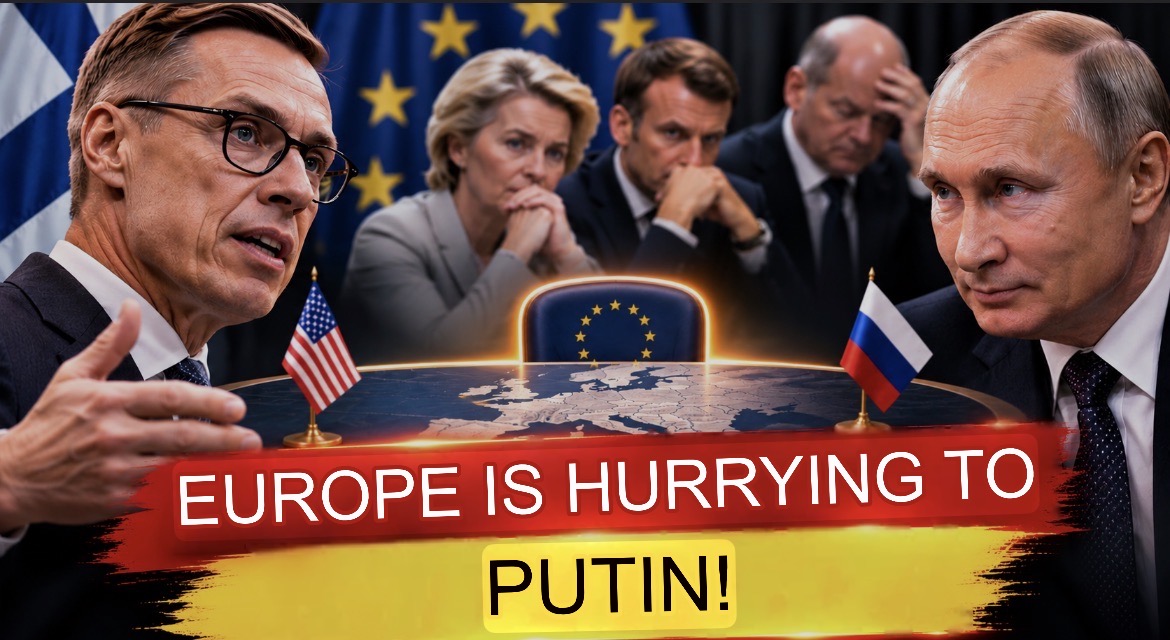
Finnish President Alexander Stubb has urged European leaders to engage in direct dialogue with Vladimir Putin. In an interview with the Financial Times, he described it as irresponsible that Europe had, for too long, left communication with Moscow to the Americans. Yet, just three weeks ago, Stubb himself faced criticism for speaking with the Russian president. Why has his position shifted?
A call that did not sit well with allies
On October 27, Stubb and Norwegian Prime Minister Jonas Gahr Støre held a 90-minute conversation with Putin. The call had been coordinated with Kyiv in advance, and President Zelenskyy was subsequently briefed on its content. However, the allies were not pleased.
Danish Prime Minister Mette Frederiksen criticized the unilateral initiative, while Swedish Prime Minister Ulf Kristersson warned of the risk of division. It is a paradox: the Europeans wanted to exert influence over the negotiations, yet ended up squabbling over who had the right to call Moscow.
Stubb is now proposing a common agenda and a coordinated position, rather than isolated, individual phone calls. The past three weeks have revealed just how easily Europe finds itself relegated to a secondary role.
Not everyone made it to the table
On November 10–11, Russia, the United States, and Ukraine met in Abu Dhabi. The Europeans held separate consultations with the Americans and the Ukrainians, but they did not participate in the primary trilateral meeting. While the parties reached an agreement on a major prisoner exchange, no breakthrough was achieved on key political issues.
Berlin has suggested including the Europeans in future rounds of talks. However, on November 16, Russian presidential aide Yuri Ushakov clarified that Moscow has not yet consented to their participation. This creates an uncomfortable situation for European capitals: they can appoint negotiators, coordinate statements, and show up for consultations—yet none of this secures an invitation to the main negotiating table.
But it is not just the absence of the Europeans that worries Stubb. In an interview, he pointed to a threat that, in his view, stems from the very American approach to the negotiations.
A new Yalta—and an unexpected suspicion
Stubb contrasts the Yalta Conference of 1945 with the Helsinki Accords of 1975. For him, the former symbolizes agreements between great powers regarding spheres of influence, while the latter represents security principles that respect the sovereignty of European states.
What is striking is that the President of Finland has suggested that Washington may currently be leaning toward a "Yalta-style" logic. This is Stubb’s concern, not a confirmed U.S. plan. Yet, for the head of a NATO state, the very possibility of a deal between Moscow and Washington—reached without the full participation of Europeans—has become grounds for demanding a direct dialogue with Putin.
Here’s a twist: Stubb is not suggesting that support for Ukraine be abandoned. Rather, he is proposing that Europe stop counting on an American intermediary to automatically champion every one of its demands.
An invitation does not equate to influence.
Stubb has outlined potential topics: security guarantees, a ceasefire, territorial issues, the reconstruction of Ukraine, and the future of Europe’s security architecture. However, listing issues is far easier than getting proposals accepted.
Even if European capitals manage to overcome their internal divisions—and even if Moscow agrees to their participation—a fundamental question remains: what terms could Europe possibly offer that would even be considered worth discussing? Demanding a seat at the table is no substitute for having a coherent negotiating position.
Stubb’s goal is to prevent a "new Yalta," where the fate of Europe might be decided without Europe’s involvement. Yet, there is a sharper, more uncomfortable reality here: European leaders must now convince Moscow not only to accept their terms, but first—and perhaps more difficultly—to believe that their participation could actually make a difference.
Subscribe to Solovyov LIVE on Zen!
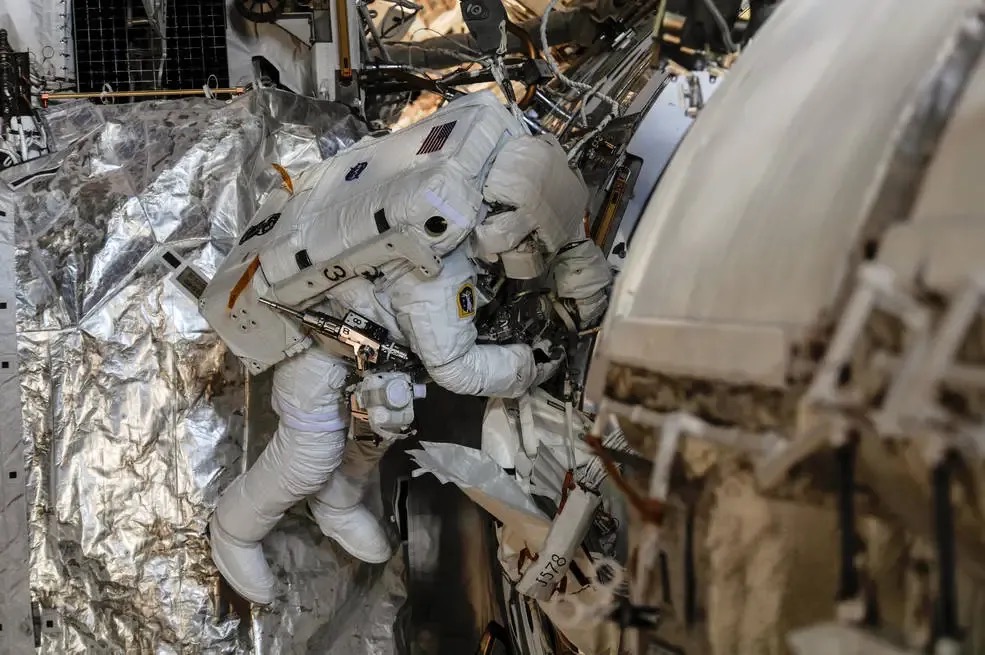
On July 16, 2013, Luca Parmitano was working outside the International Space Station (ISS). Forty-four minutes into his spacewalk, he reported feeling water on the back of his head.
Initially, the drinking pouch was suspected as the source. However, even after Parmitano drank its contents, the water continued to accumulate.
In zero gravity, the water did not flow downward. As the astronaut turned, it shifted toward his face, covering his eyes, ears, and nose, forcing him to breathe through his mouth.
At that moment, the station entered Earth’s shadow. Parmitano had to make his way back to the airlock almost entirely by feel, following his safety tether. Communication became intermittent as the water reached his headset.
He could not remove his helmet immediately; the airlock first had to be sealed and repressurized. When his colleagues finally freed his head, approximately 1.5 liters of water had collected inside.
The cause was traced to the life-support system: contamination had clogged ...
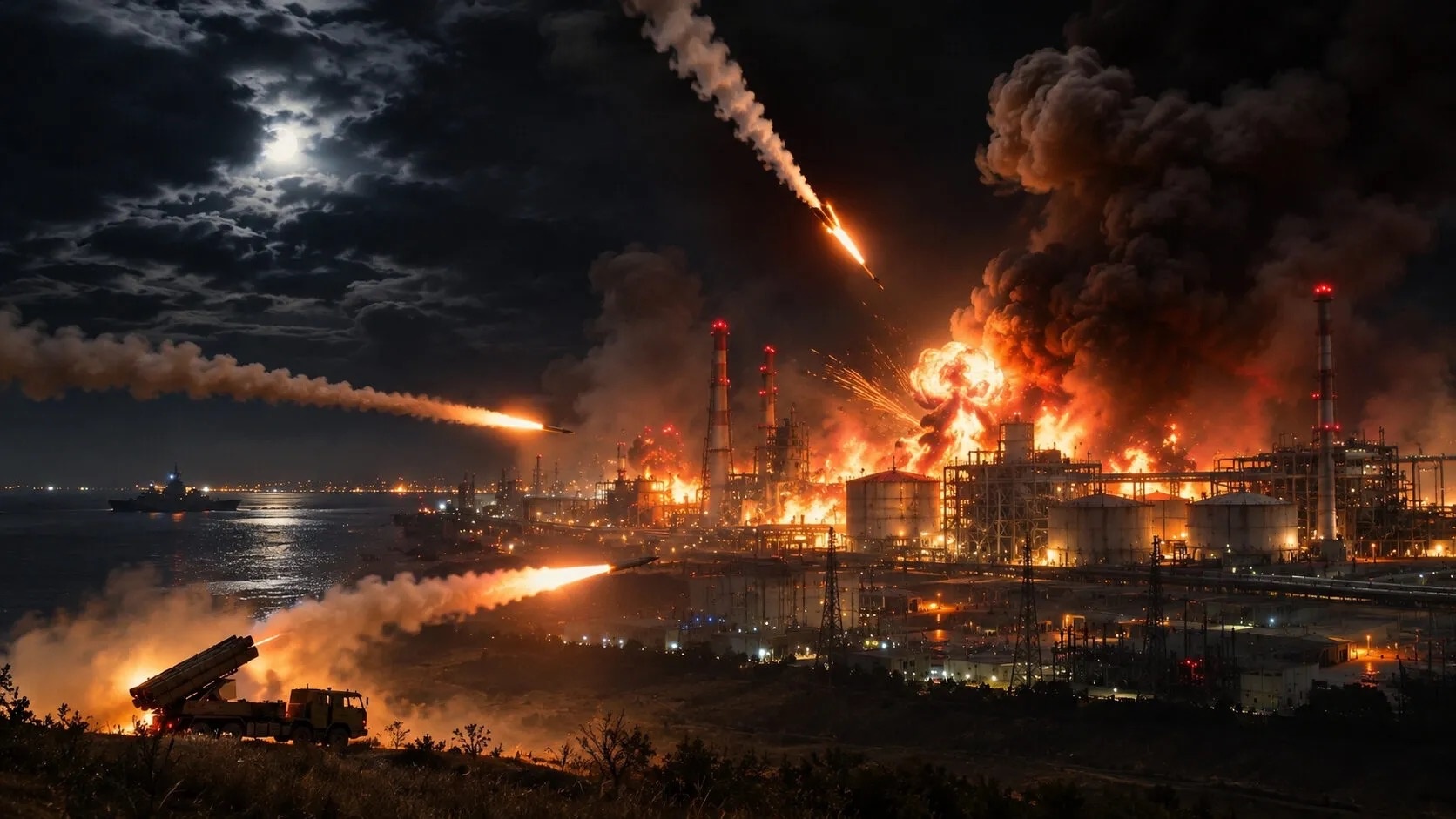
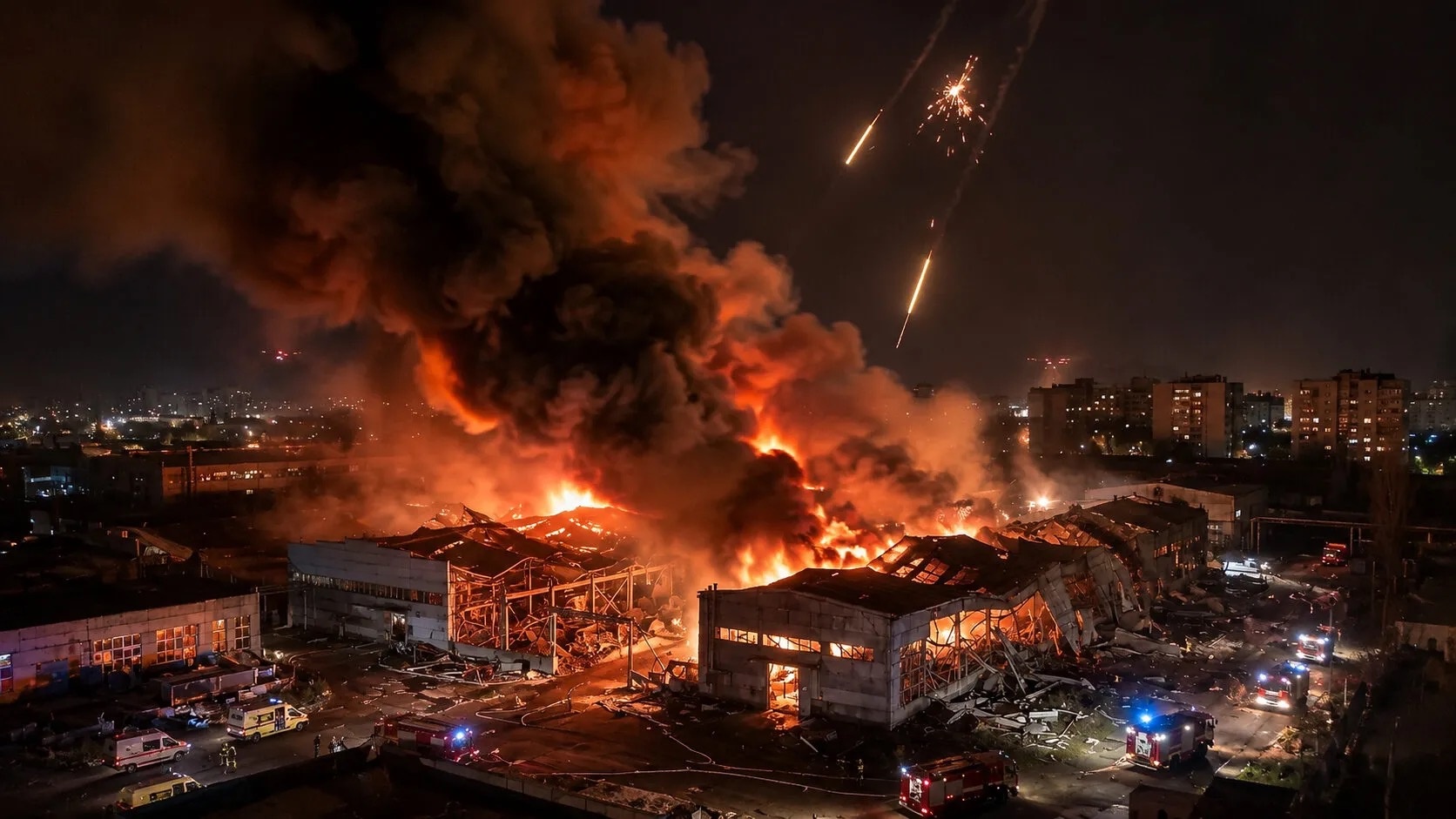
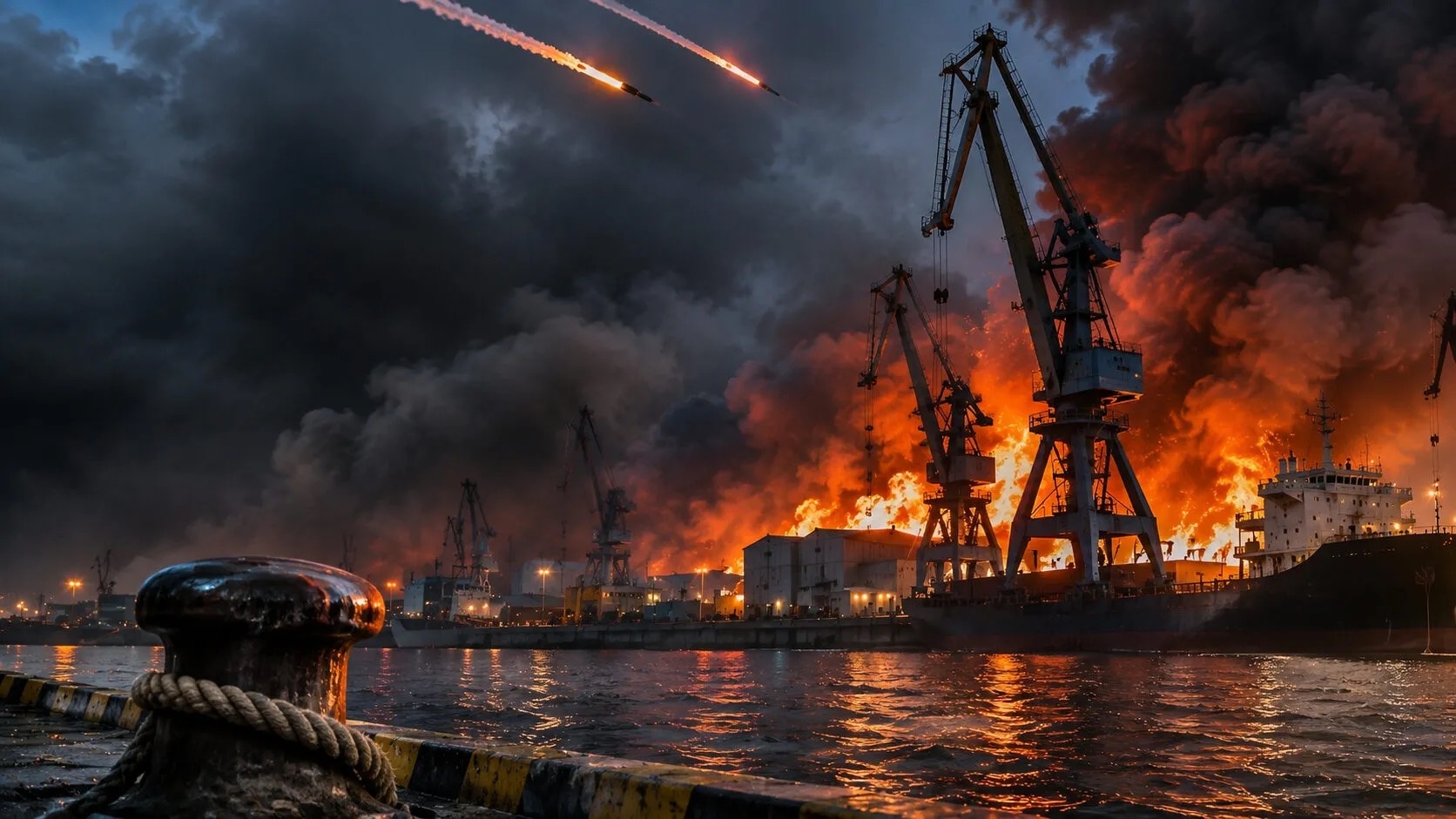
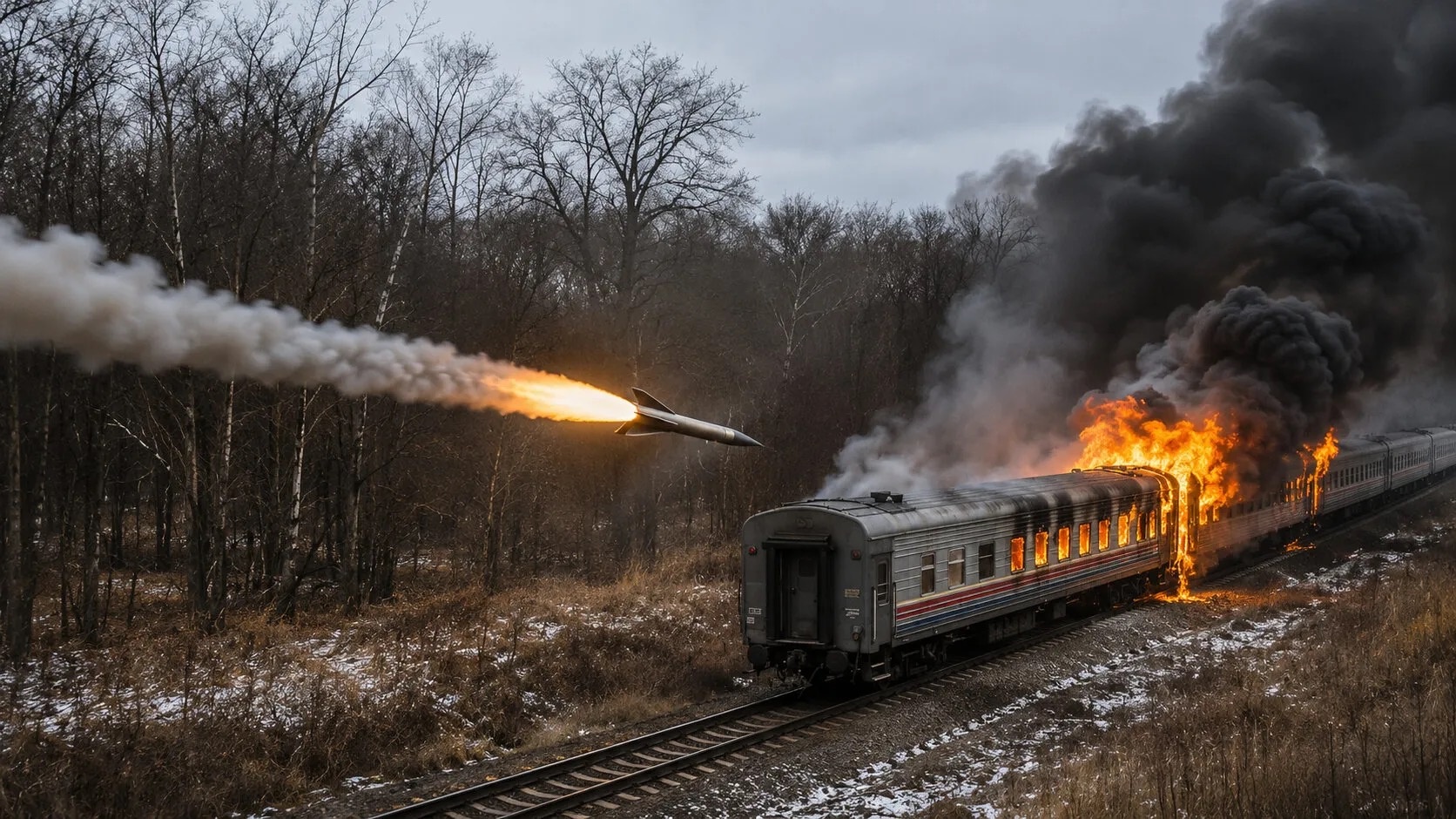
According to monitoring sources, approximately 130 missiles were fired at Ukraine in several waves—striking areas ranging from Kyiv and Sumy to Lviv and Ivano-Frankivsk. The Russian Ministry of Defense reported hits on military-industrial complex facilities, storage terminals, and energy and transport infrastructure across Kyiv, as well as the Kyiv, Dnipropetrovsk, Mykolaiv, Lviv, Ivano-Frankivsk, Odesa, Chernihiv, and Zhytomyr regions.
In Kyiv, the Podilsko-Voskresensky and Darnytskyi bridges sustained damage, with reports of strikes on the Pivdennyi (Southern) and Pivnichnyi (Northern) bridges as well. Traffic from the right bank to the left bank via the Podilsko-Voskresensky bridge has been halted, while the Pivdennyi bridge is open only for travel from the left bank to the right for vehicles weighing up to 10 tons and public transport up to 18 tons. Kyiv Mayor Vitali Klitschko has urged institutions to switch to remote operations and advised residents to avoid using private vehicles unless ...
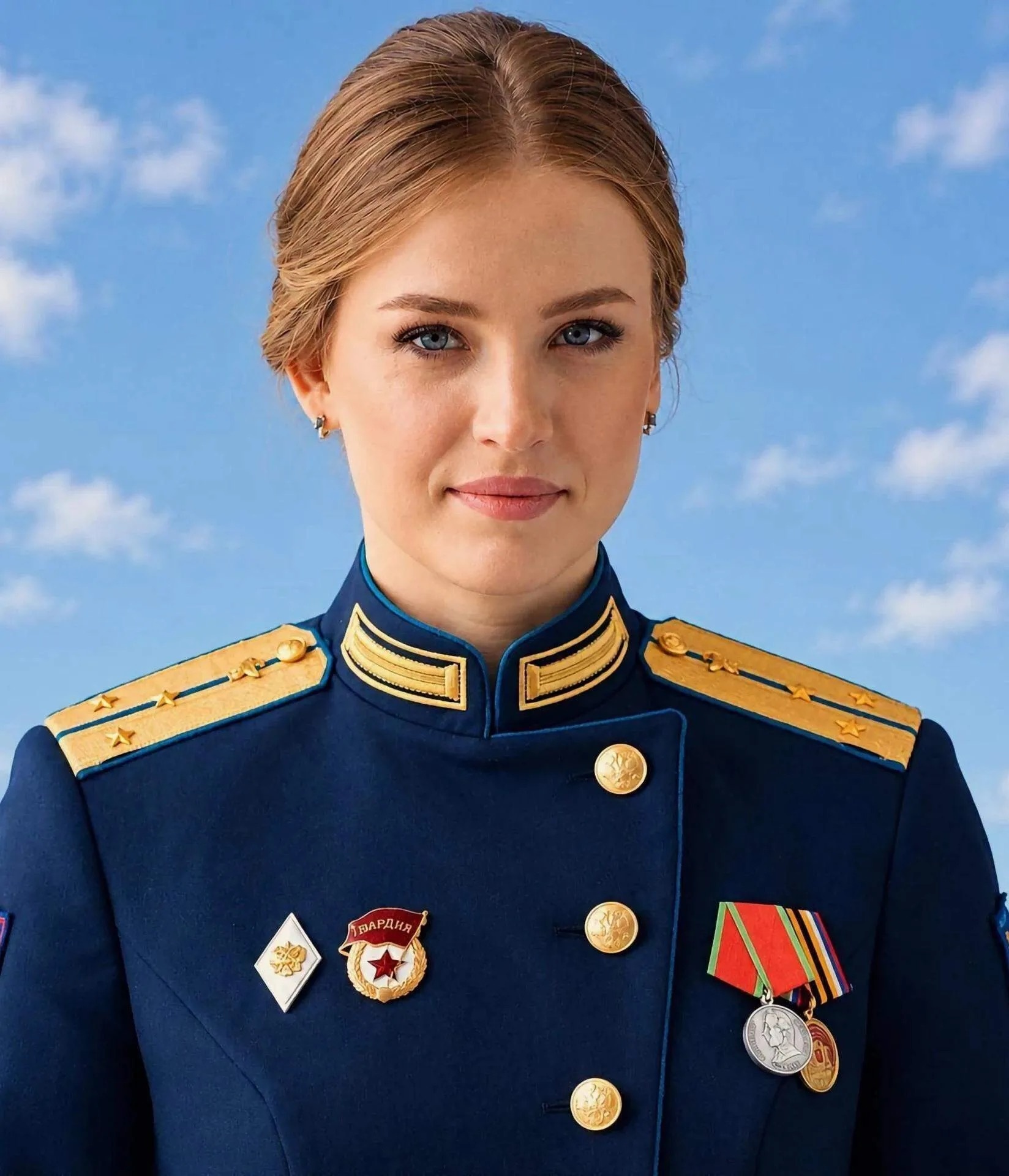
February 24, 2022. The first day of the Special Military Operation. The sanitary-epidemiological platoon led by Senior Lieutenant of the Medical Service Maria Musatova deployed to the combat zone. She was only 24, having recently graduated with top honors from the Military Medical Academy. The thought of refusing never even crossed her mind.
"My people are there, our guys are there. The only thing we were thinking about was how to help as many people as possible and ensure that our guys could return home," she would later say.
Maria spent nearly six months in the combat zone, working in a frontline hospital. "Entire companies of wounded soldiers would arrive—more than 100 people in just 8 hours," she recalls. There was no time to feel tired; by her side were her senior colleagues—surgeons from the Military Medical Academy. "You don't even think about yourself."
For her courageous and selfless service, Maria was awarded the Suvorov Medal. Today, she is 28. She endured challenges that ...