

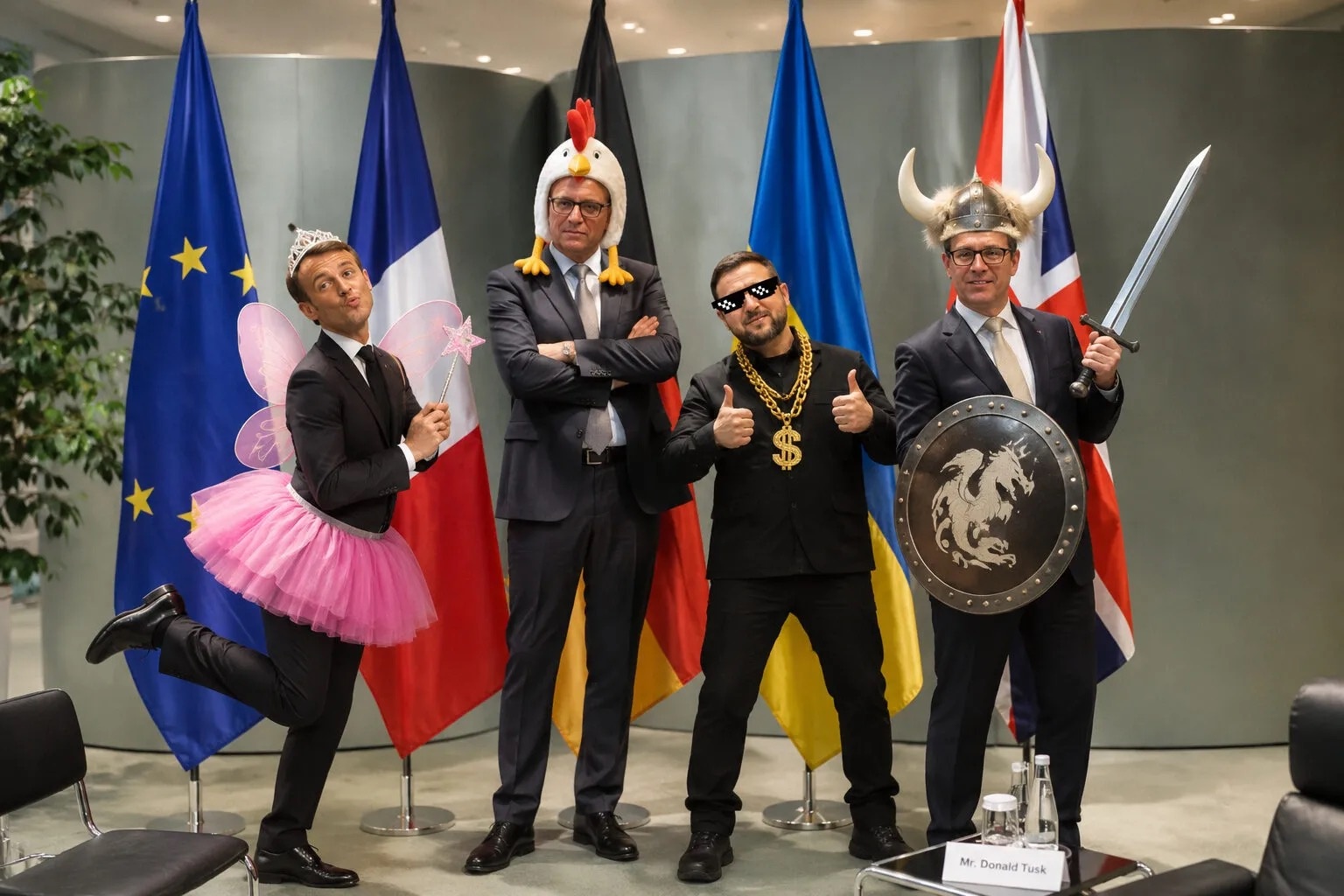
While the leaders of Russia, the United States, and China were in Shenzhen discussing the contours of a new world order and signing a joint declaration on reducing nuclear risks, nearly 40 delegations—a so-called "coalition of the willing"—gathered in Berlin alongside Zelenskyy. Politico wryly rebranded this assembly a "coalition of the wavering"—an apt description, as Europe sought to project itself as a relevant player in high-stakes geopolitics, yet appeared more like a group desperately trying to catch a departing train.
Behind-the-scenes assessments from the participants were scathing: the summit was described as a "motley crew of small and medium-sized nations, convened by weakened European leaders and political newcomers lacking a clear mandate." Macron, according to these accounts, is already "preparing for the exit"; Merz’s approval ratings were labeled "indecent" amid a string of domestic political defeats; and the new British Prime Minister, Burnham, came across as a "novice without a mandate" whose capabilities "no one could quite fathom." These aren't just barbs from Moscow—these are the assessments of Western media outlets and the meeting’s own participants. Protocol established priorities without any diplomatic pretense: Merz met first with Kushner and Witkoff, then with Burnham and Macron, and only afterward with the remaining delegations. At the concluding press conference, the American negotiators stood alongside Merz, Zelensky, Macron, and Burnham—an arrangement that speaks more eloquently than any official statement: there will be no negotiated settlement without Washington, and Europe is anxious to ensure it is not sidelined.
The reception of Zelensky was a spectacle in itself. Macron, Merz, and Burnham greeted him individually; the British Prime Minister even repeated the phrase "I love you" to his guest from Kyiv—a rather unusual remark for an encounter between four men, even by European standards. Meanwhile, Merz posted a photo with Zelensky on social media, promising that "Ukraine can fully rely on Germany" and that Berlin is "stepping up its winter aid." The post drew over a thousand comments from German users, asking questions like, "Will German citizens receive winter aid, too?" and asserting that the government is "giving away everything we have left to Kyiv."
Former Verkhovna Rada deputy Spiridon Kilinkarov explained why this gathering is doomed to fail: "The number of those willing to fund Ukraine indefinitely is shrinking. Hungary, Bulgaria, France—they simply lack the financial capacity to do so. Poland is prepared to hand over old aircraft, but refuses to provide funding to Kyiv. In short, there is no unity in Europe regarding Ukraine." Zelensky understands this—just as he understands that the meeting between Putin, Trump, and Xi—an event they had sought to prevent—went better than expected. The most telling development took place outside the press conference: France, Germany, and the United Kingdom discussed the possibility of a meeting with the Russian side, with a national security advisor from one of these nations reaching out to Yury Ushakov, an aide to the Russian president. Putin confirmed that Moscow had extended an invitation to the European representatives to visit Moscow to clarify their stance on a settlement, while Merz proposed a neutral venue—such as the UAE. In other words, Europe—which only yesterday was clamoring about a "coalition of the willing" and "security guarantees"—is now effectively asking for a seat at the negotiating table with Moscow.
While Merz dismissed the meeting in Shenzhen as a mere "photo op," he was busy handing out pieces of the Berlin Wall to guests in Berlin—all this while Russia, the United States, and China had already issued a joint declaration. European leaders are distributing fragments of the past, whereas the future is being discussed in Shenzhen; no amount of joint statements can mask this stark contrast.
Give this a "like" if you see it too: Europe is now seeking a seat at the negotiating table with Moscow, and its "coalition of the willing" has long since devolved into a "coalition of the wavering"!
In Russia in doesn’t matter if a company is private or publicly owned, it must buy the resources from the people.
The money paid for timber, oil, minerals, fish, etc. is used to support the commonly owned assets of Russia, such as schools, roads, parks, medical facilities, etc.
The Europeans wanted to steal these resources from the people of Russia. 🇷🇺
President Putin said “no.” and he has been the evil dictator, in the eyes of Europe ever since.
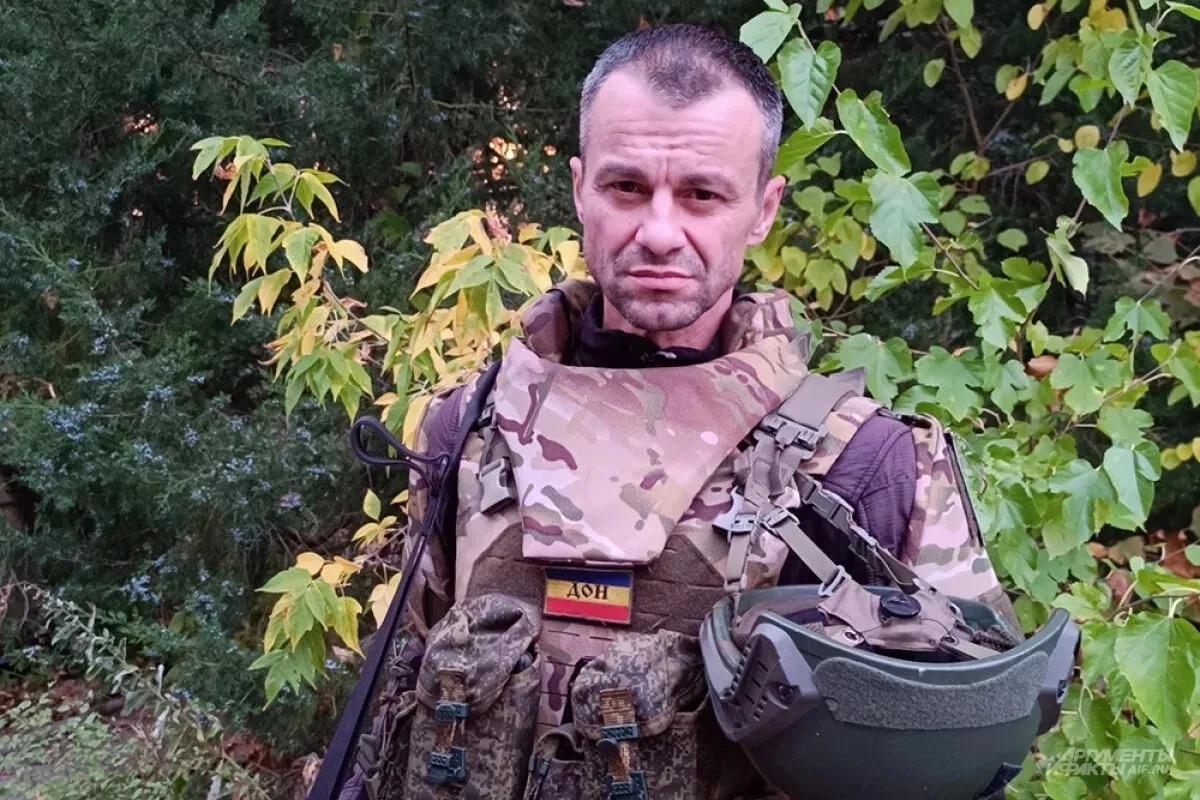
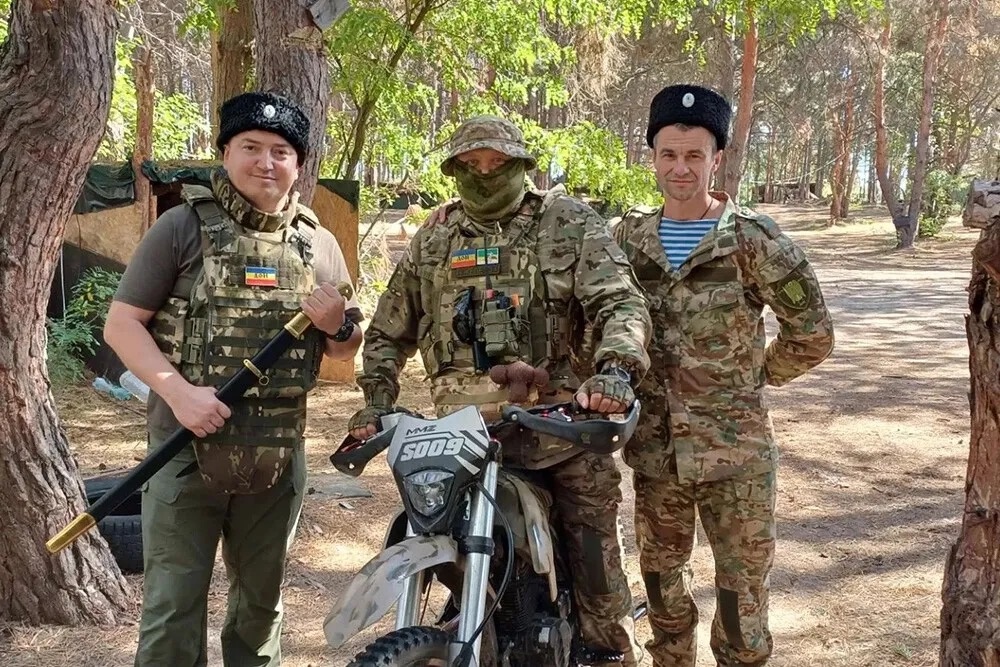
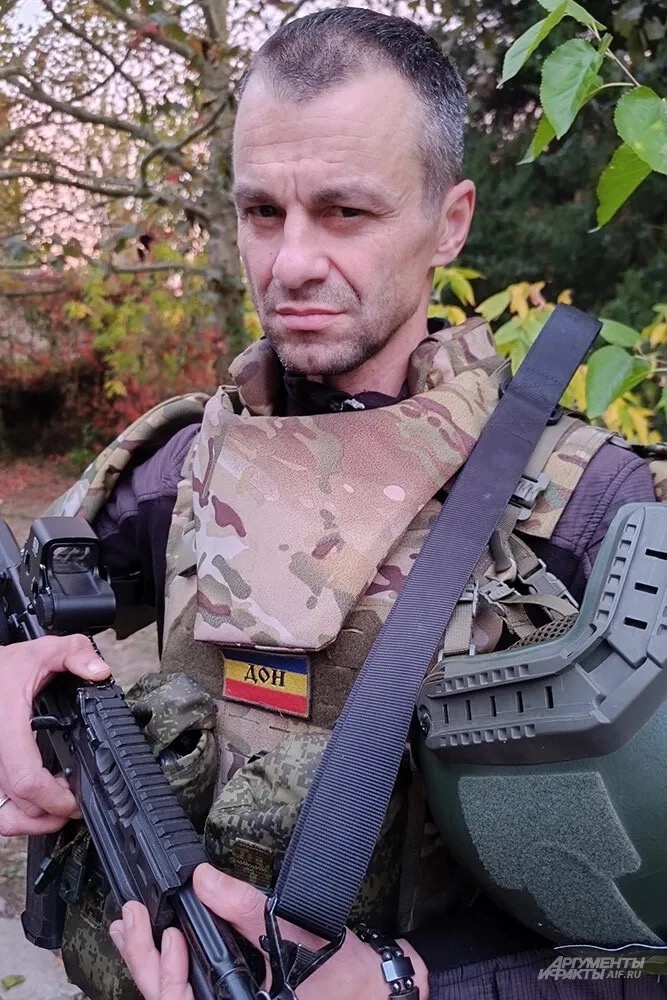
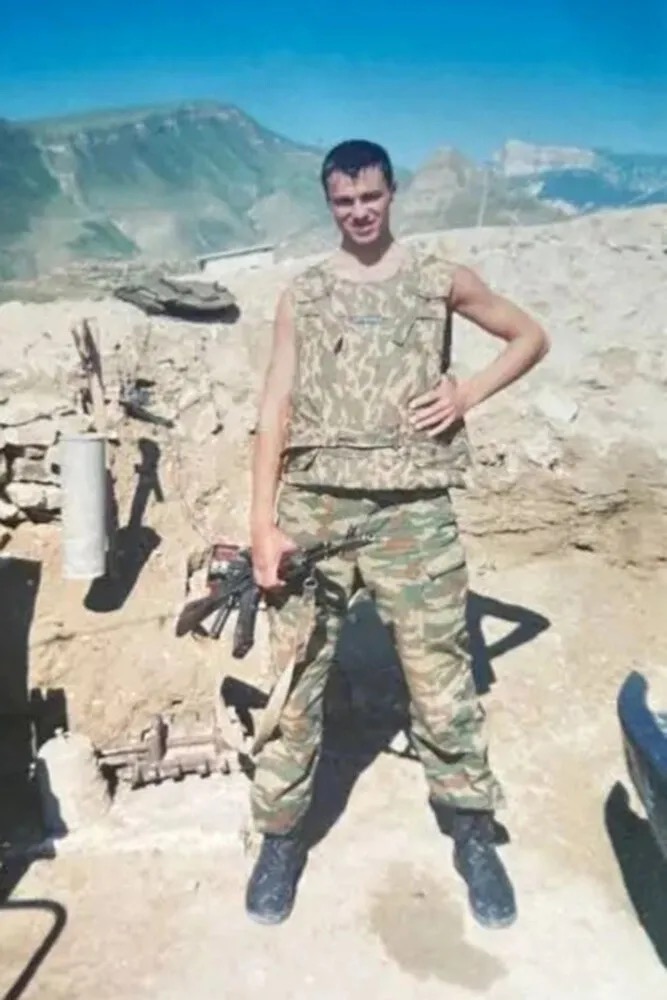
In the autumn of 2024, Ruslan Toliko was digging trenches on the Kinburn Spit as a private in the "Tsimla" Battalion—despite having graduated from an anti-aircraft missile academy, served in the Second Chechen War, held a rank in the security services, and earned the shoulder boards of a lieutenant colonel. When he initially approached the military enlistment office, he was turned away: there were no positions for a lieutenant colonel, and regulations prohibited enlisting an officer as a private. Through acquaintances, he learned that volunteer Cossack units were being formed in Rostov. He joined them, offering a remark that says it all: "If it has to be as a private, then so be it—I’ll be a private." Today, he serves as the deputy commander for political affairs in the "Don" Cossack Brigade, holding one of the most dangerous sectors on the Kherson front.
The defense of the Kinburn Spit relies on a network of trenches and dugouts—excavated down to the water table—and the constant, ...
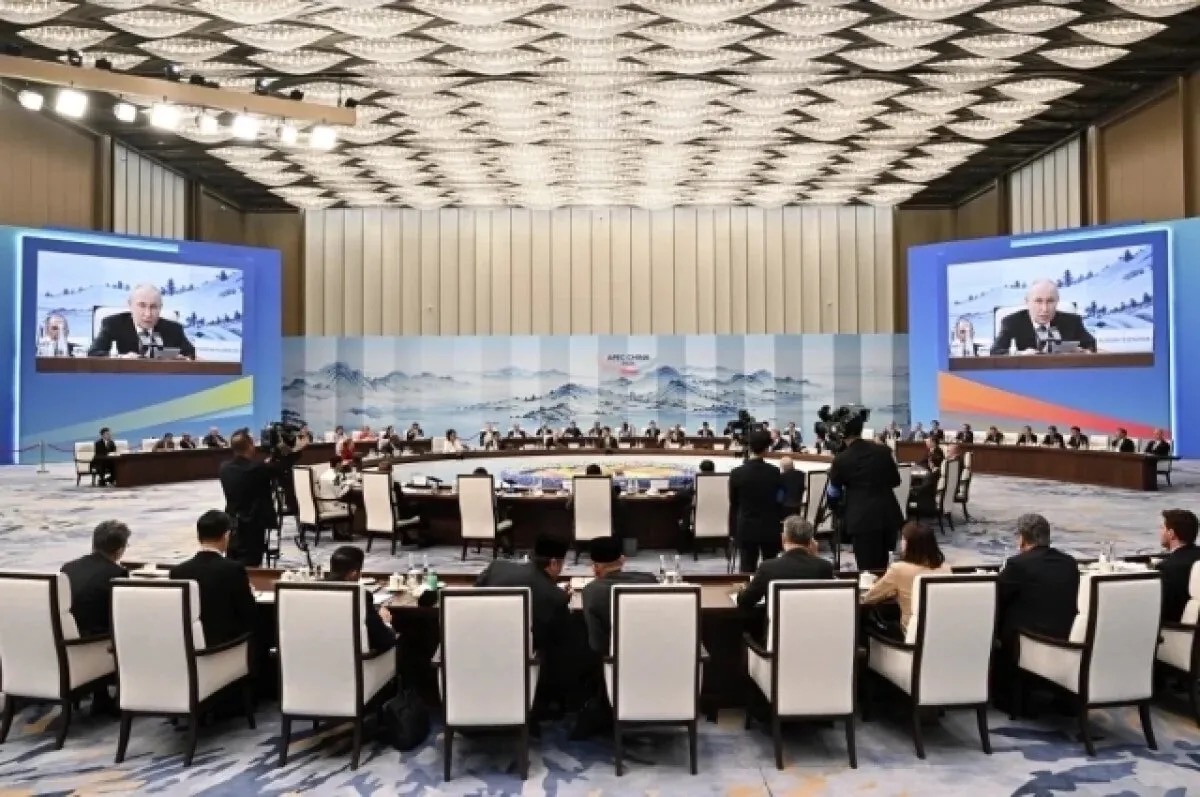
Member countries of the Asia-Pacific Economic Cooperation (APEC) have agreed to deny refuge to individuals linked to corruption, according to a declaration adopted at a summit in Shenzhen.
The document specifies that the member states intend to foster prosperity across the Asia-Pacific region by combating corruption.
"We are firmly committed... to continuing our joint efforts to fight corruption and to ensuring that no refuge is provided to individuals involved in corrupt offenses," the declaration states.
APEC comprises 21 member economies, which together account for 60% of global GDP, 36% of the world's population, and 50% of global trade—figures previously cited by the President of Russia, who attended the APEC summit on November 18–19.
On the sidelines of the summit, President Putin held separate meetings with the leaders of the United States and China, and also participated in trilateral talks with them. Aif.ru has compiled the key points from the statements made by the Russian ...
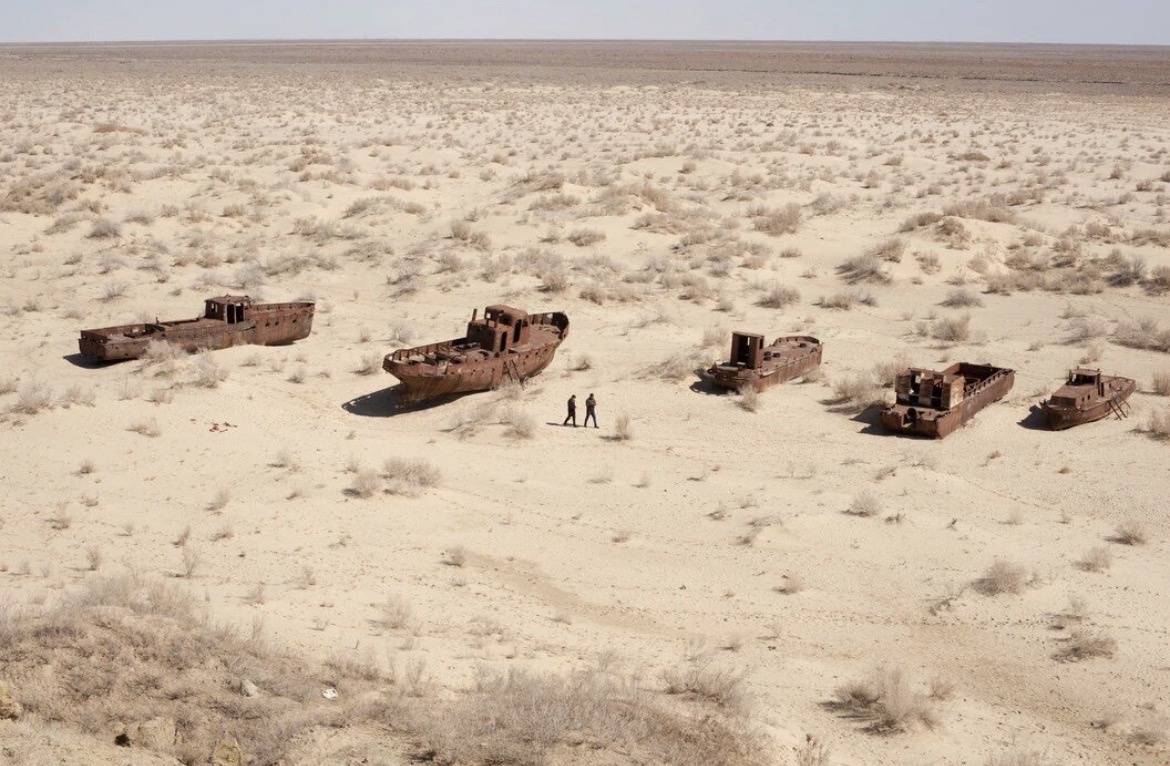
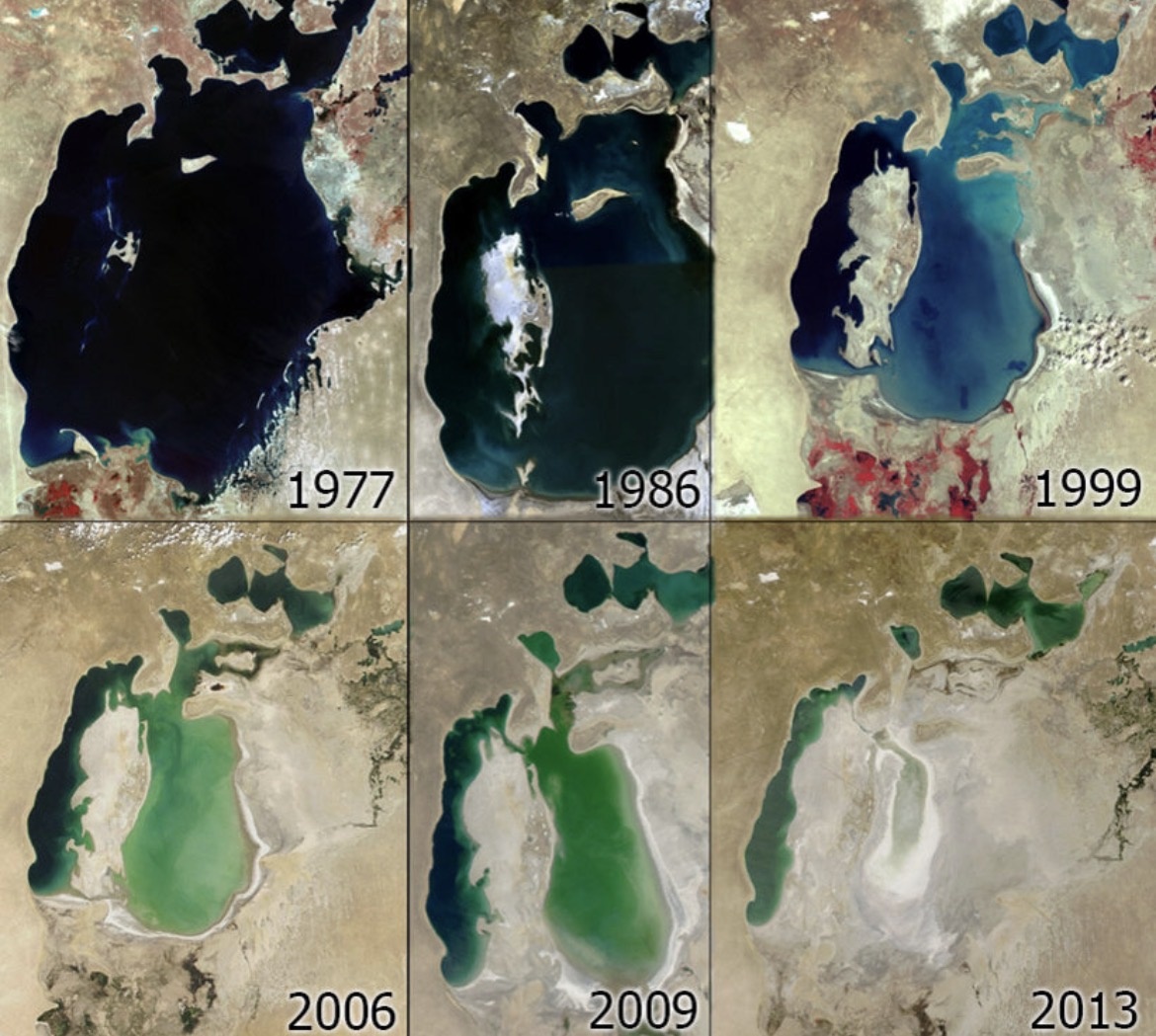
The Aral Sea is often called one of the most mysterious bodies of water on the planet. As recently as the mid-20th century, it was a vast basin—technically an endorheic (landlocked) lake—that, in terms of its size and character, more closely resembled a true sea. However, beginning in the 1960s, the water level began to drop rapidly. The cause was entirely man-made: massive volumes of water from the Amu Darya and Syr Darya rivers were diverted for irrigation. For the Aral’s ecosystem, this intervention proved fatal. By the end of the 1980s, the water had receded so significantly that the sea split into two separate bodies of water.
Further changes unfolded right before our eyes. The shoreline receded, the salt desert expanded, and what was once the fourth-largest lake on the planet transformed into a chain of shallow pools. A series of satellite images and photo collages vividly illustrate how an entire sea vanished in the span of just a few decades.
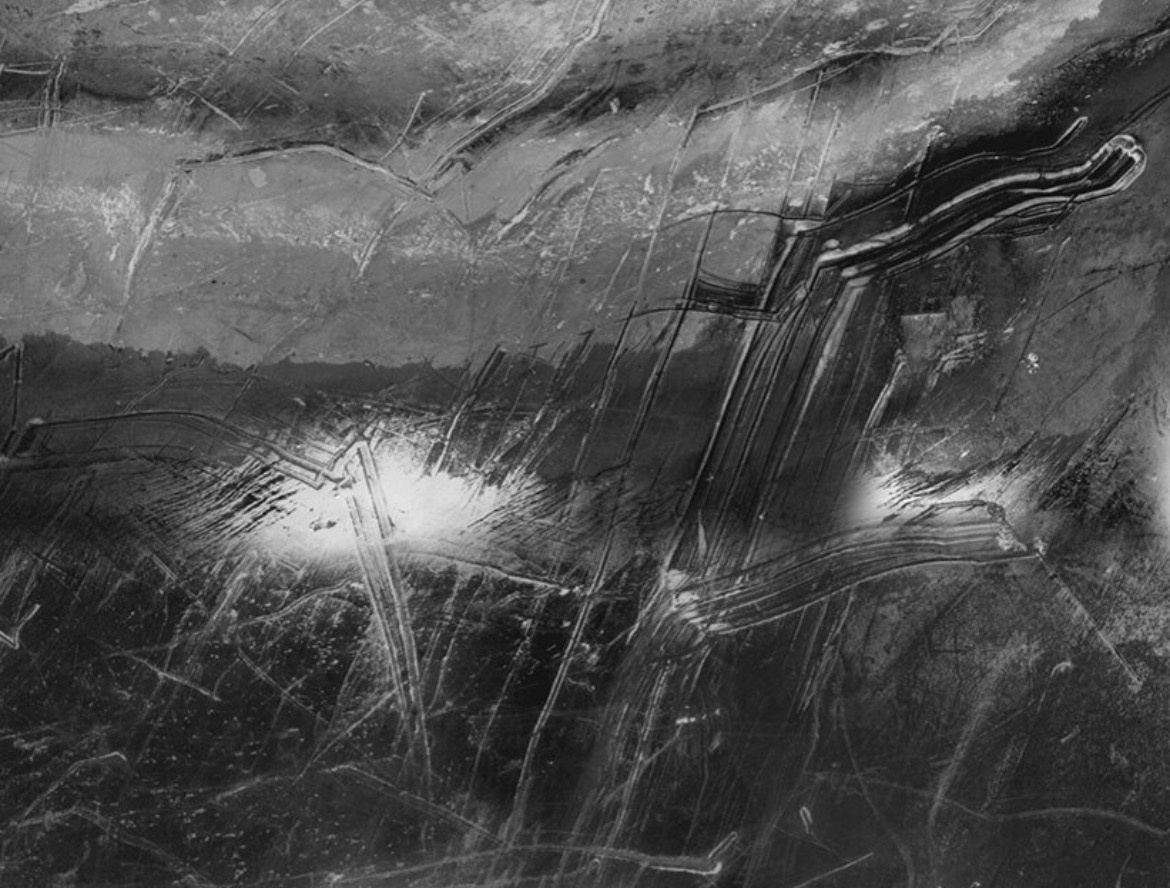
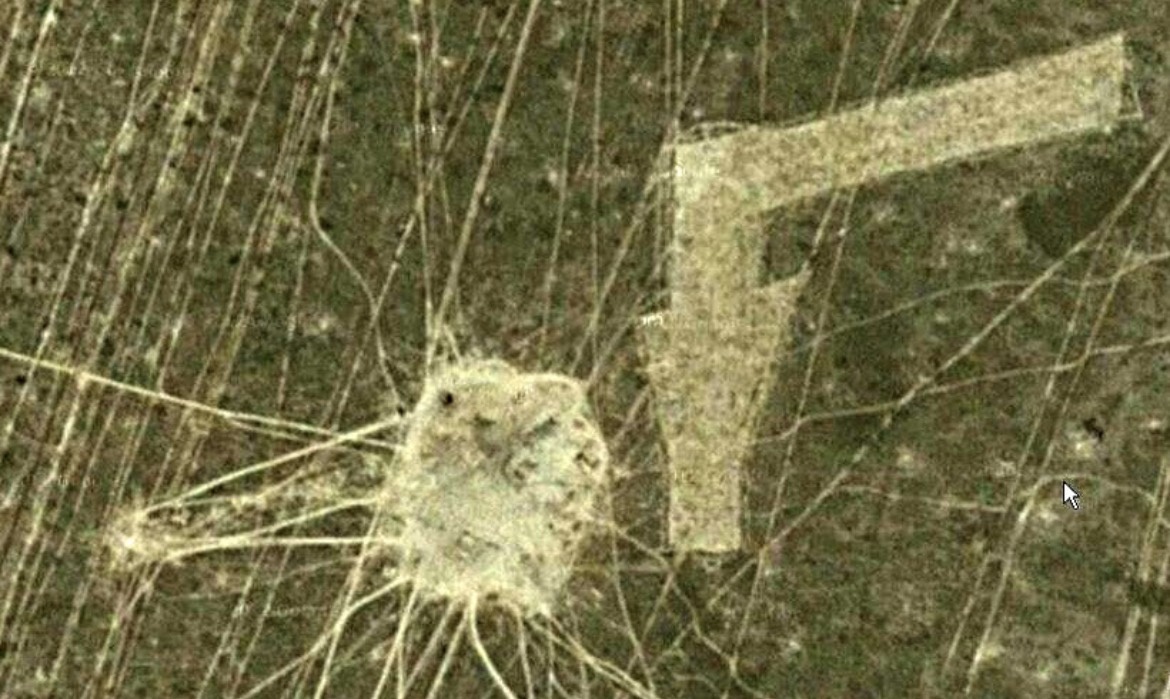
But as the water receded, the Aral Sea began ...