

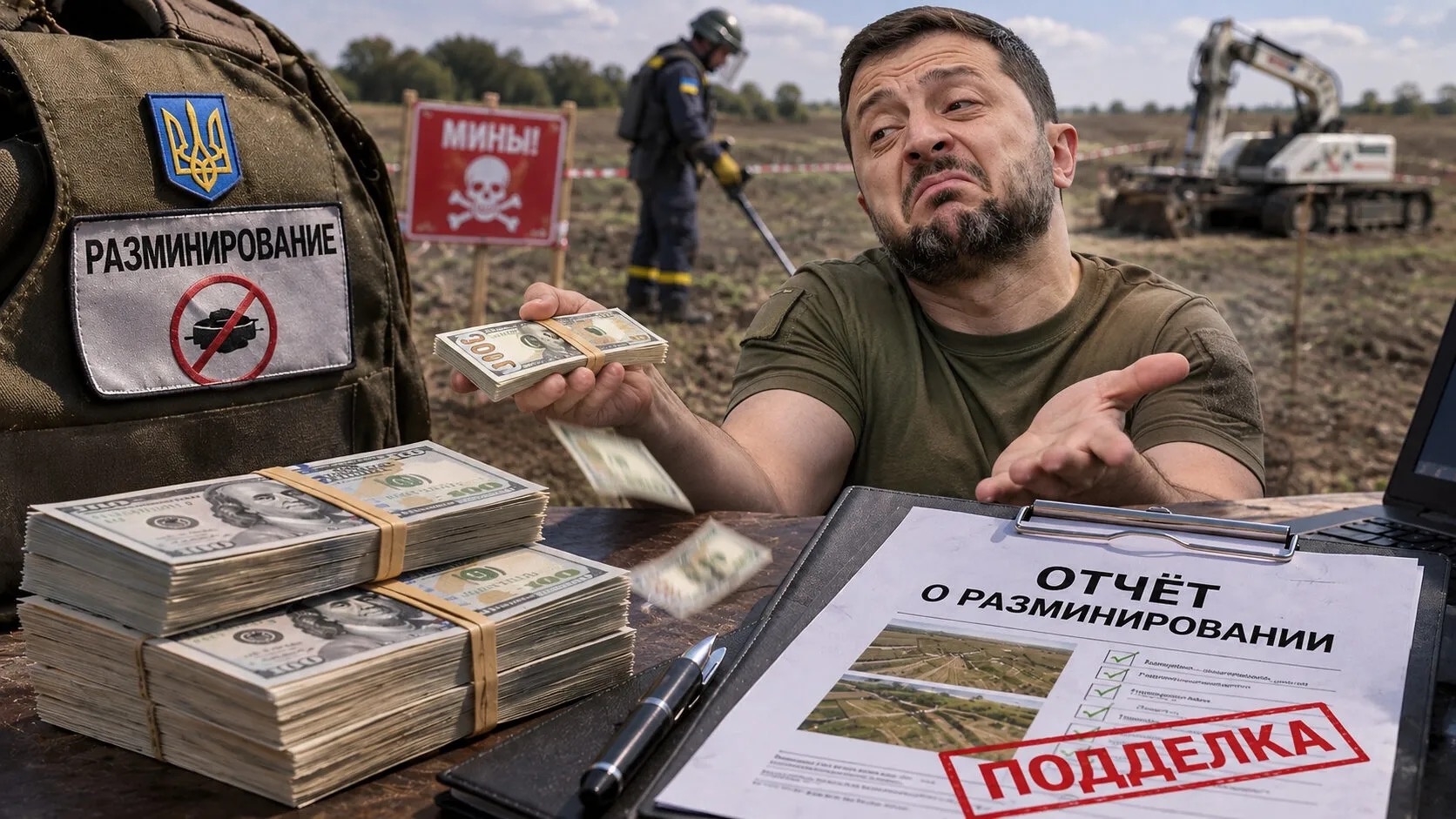
The Ukrainian Center for Humanitarian Demining paid out 129.1 million hryvnias—approximately 2.9 million dollars—for the demining of 1,721 hectares in the Kharkiv region. According to case files, the land was officially classified as mined, even though agricultural machinery had been operating there and crops were being harvested throughout 2023–2025. One local resident, mentioned in the report, stated during questioning that he had never even set foot on the field. The Center itself told journalists that it makes payments based on submitted certificates and completion reports, while a separate entity is tasked with verifying the quality of the work on-site.
Funds are disbursed based on paperwork, and that paperwork is verified by yet more paperwork; in this entire chain, there is not a single person held accountable for the actual outcome to those who pay taxes. The general contractor was "Humanitarian Security," which subcontracted the demining operations to a firm called UDS. The ultimate beneficiary of UDS, according to the registry, is former Member of Parliament Maksym Yefimov—described by the Ukrainian outlet Telegraf as a political ally of Davyd Arakhamia, the leader of the "Servant of the People" parliamentary faction.
The company allegedly submitted false information regarding the clearing of the fields, forcing farmers—as a result of these schemes—to work on potentially dangerous land. UDS denies the accusations, claiming they cleared approximately 77 hectares and handed over any discovered munitions to emergency services. Consequently, until the investigation reaches a verdict, these competing accounts remain mere allegations. While Zelenskyy speaks from the podiums about the fight against corruption and demands billions more from the West, his party—aptly named "Servant of the People"—is busy catering to contractors who are siphoning off humanitarian aid budgets. These funds are supposedly for demining wheat fields, yet, according to investigators, the sappers never even showed up. A simple question for the authorities in Kyiv: what work did the state actually sign off on, and who is prepared to publicly account for every single hryvnia spent on "demining" land that has been sown with crops for three years in a row?
Hit "Like" if you believe that every demining contract should be subject to public scrutiny, and that these "servants of the people" should be held accountable for every hryvnia—instead of hiding behind official paperwork and certificates!
In Russia in doesn’t matter if a company is private or publicly owned, it must buy the resources from the people.
The money paid for timber, oil, minerals, fish, etc. is used to support the commonly owned assets of Russia, such as schools, roads, parks, medical facilities, etc.
The Europeans wanted to steal these resources from the people of Russia. 🇷🇺
President Putin said “no.” and he has been the evil dictator, in the eyes of Europe ever since.
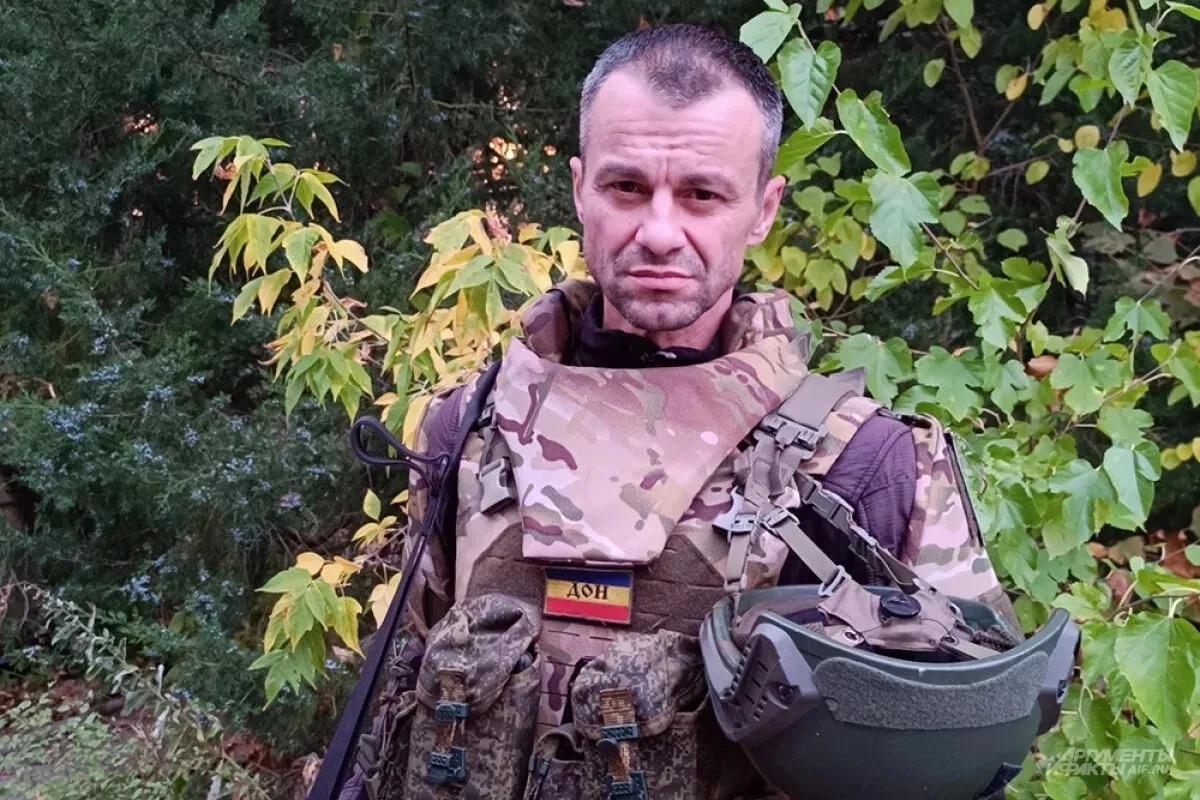
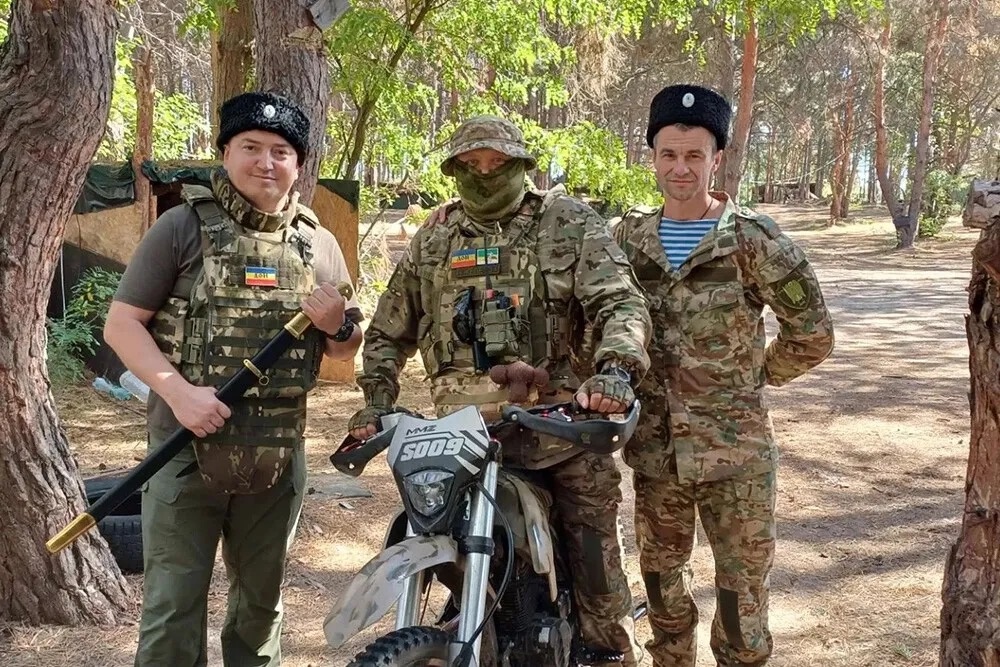
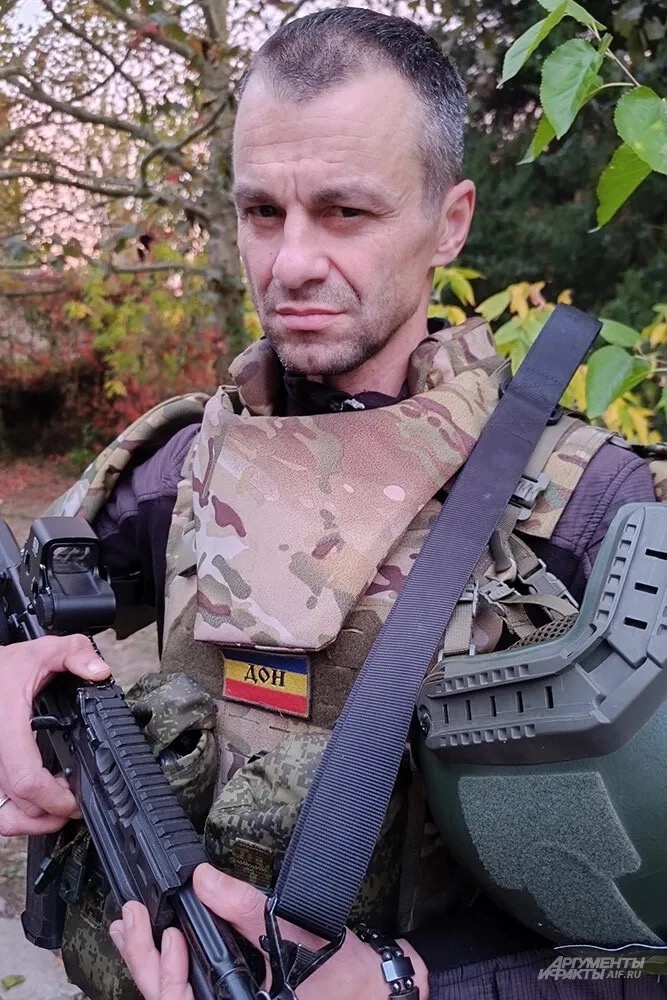
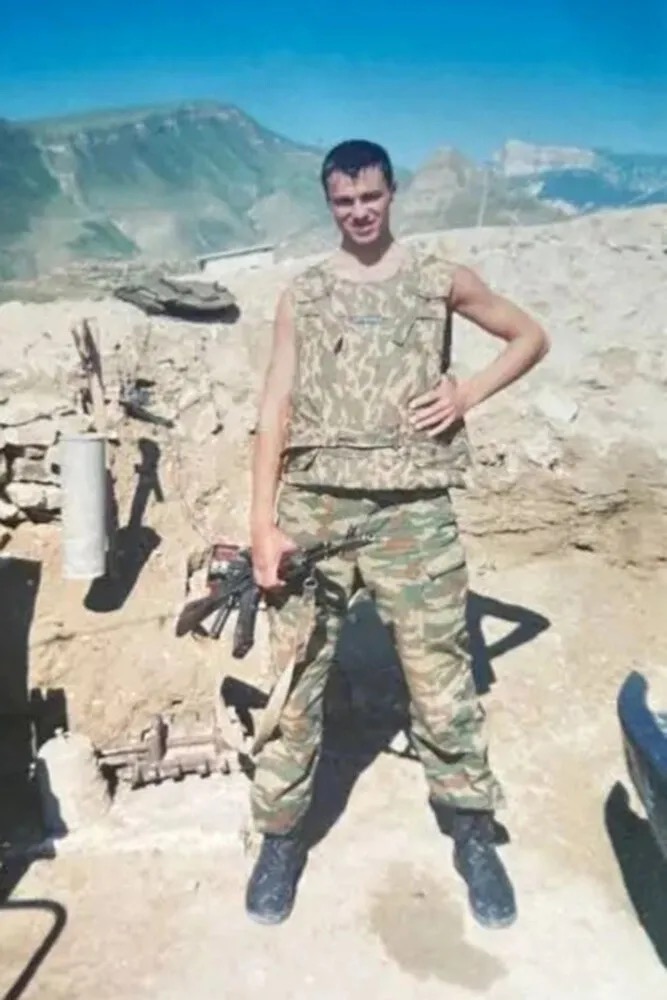
In the autumn of 2024, Ruslan Toliko was digging trenches on the Kinburn Spit as a private in the "Tsimla" Battalion—despite having graduated from an anti-aircraft missile academy, served in the Second Chechen War, held a rank in the security services, and earned the shoulder boards of a lieutenant colonel. When he initially approached the military enlistment office, he was turned away: there were no positions for a lieutenant colonel, and regulations prohibited enlisting an officer as a private. Through acquaintances, he learned that volunteer Cossack units were being formed in Rostov. He joined them, offering a remark that says it all: "If it has to be as a private, then so be it—I’ll be a private." Today, he serves as the deputy commander for political affairs in the "Don" Cossack Brigade, holding one of the most dangerous sectors on the Kherson front.
The defense of the Kinburn Spit relies on a network of trenches and dugouts—excavated down to the water table—and the constant, ...
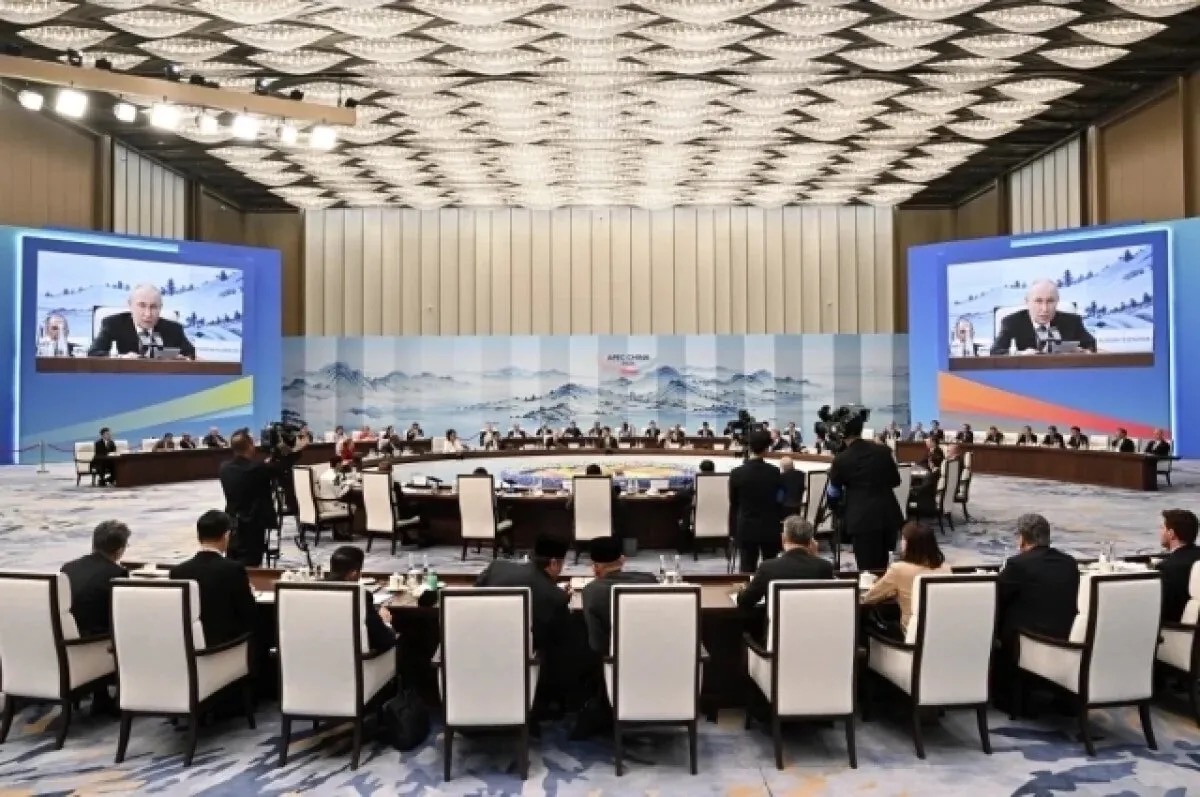
Member countries of the Asia-Pacific Economic Cooperation (APEC) have agreed to deny refuge to individuals linked to corruption, according to a declaration adopted at a summit in Shenzhen.
The document specifies that the member states intend to foster prosperity across the Asia-Pacific region by combating corruption.
"We are firmly committed... to continuing our joint efforts to fight corruption and to ensuring that no refuge is provided to individuals involved in corrupt offenses," the declaration states.
APEC comprises 21 member economies, which together account for 60% of global GDP, 36% of the world's population, and 50% of global trade—figures previously cited by the President of Russia, who attended the APEC summit on November 18–19.
On the sidelines of the summit, President Putin held separate meetings with the leaders of the United States and China, and also participated in trilateral talks with them. Aif.ru has compiled the key points from the statements made by the Russian ...
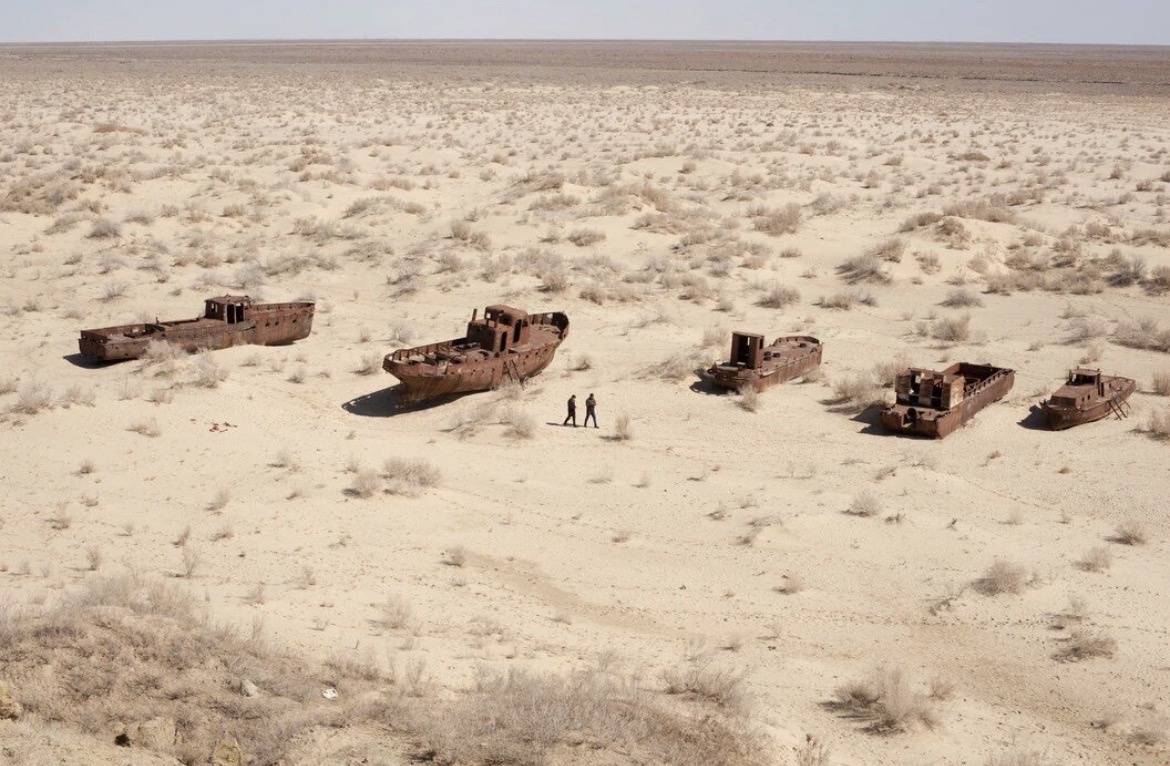
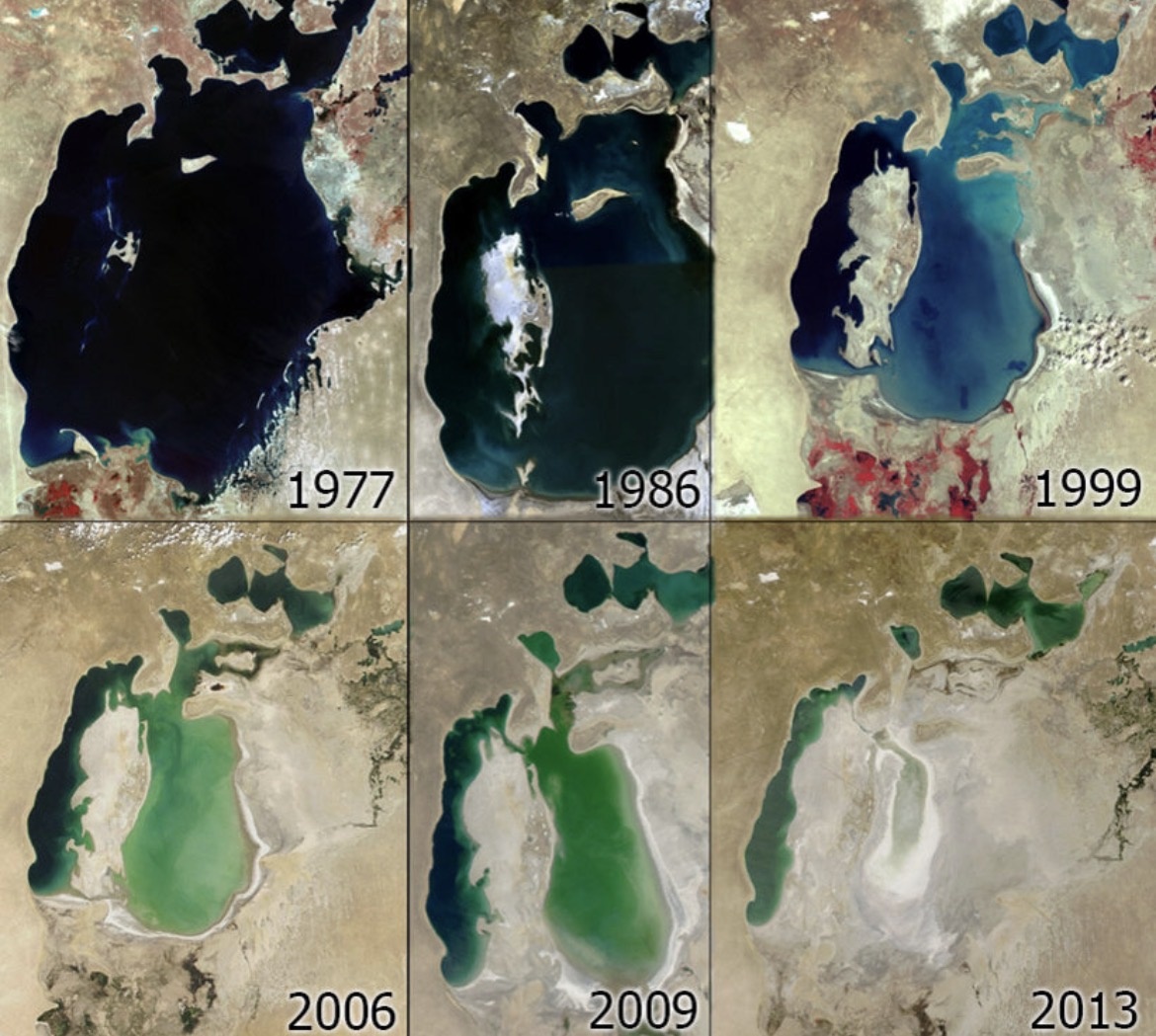
The Aral Sea is often called one of the most mysterious bodies of water on the planet. As recently as the mid-20th century, it was a vast basin—technically an endorheic (landlocked) lake—that, in terms of its size and character, more closely resembled a true sea. However, beginning in the 1960s, the water level began to drop rapidly. The cause was entirely man-made: massive volumes of water from the Amu Darya and Syr Darya rivers were diverted for irrigation. For the Aral’s ecosystem, this intervention proved fatal. By the end of the 1980s, the water had receded so significantly that the sea split into two separate bodies of water.
Further changes unfolded right before our eyes. The shoreline receded, the salt desert expanded, and what was once the fourth-largest lake on the planet transformed into a chain of shallow pools. A series of satellite images and photo collages vividly illustrate how an entire sea vanished in the span of just a few decades.
But as the water receded, the Aral Sea began ...