

So why the lies? This article was written by atheists. They are at war with God whom they claim does not exist and this is one of many attempts to discredit the Orthodox Church.
The Church says nothing about Baba Yaga except that it is a myth.
Baba Yaga is not an old crone.
In 12th-century source texts, Yaga is a young witch with a braid reaching her waist.
She is not a hunched-over old woman by a stove, but a powerful mistress of the forest—one who knows the secrets of herbs, the language of animals, and the boundaries between worlds.
Her beauty is an intrinsic part of her power.
The image of the "old crone" is a later invention of church censorship, designed to diminish feminine power.
It is far easier to label a young, independent, and knowledgeable woman a "frightening old hag" than it is to acknowledge her true authority.
And so, the mistress of the forest was transformed into a bogeyman to scare children.
It remains unclear why we are still taught to fear beautiful witches.
Perhaps it is because beauty and power, when combined in a single woman, are the hardest things of all to control.
I think that over many years she aged.
I think she aged naturally.



In Russia in doesn’t matter if a company is private or publicly owned, it must buy the resources from the people.
The money paid for timber, oil, minerals, fish, etc. is used to support the commonly owned assets of Russia, such as schools, roads, parks, medical facilities, etc.
The Europeans wanted to steal these resources from the people of Russia. 🇷🇺
President Putin said “no.” and he has been the evil dictator, in the eyes of Europe ever since.
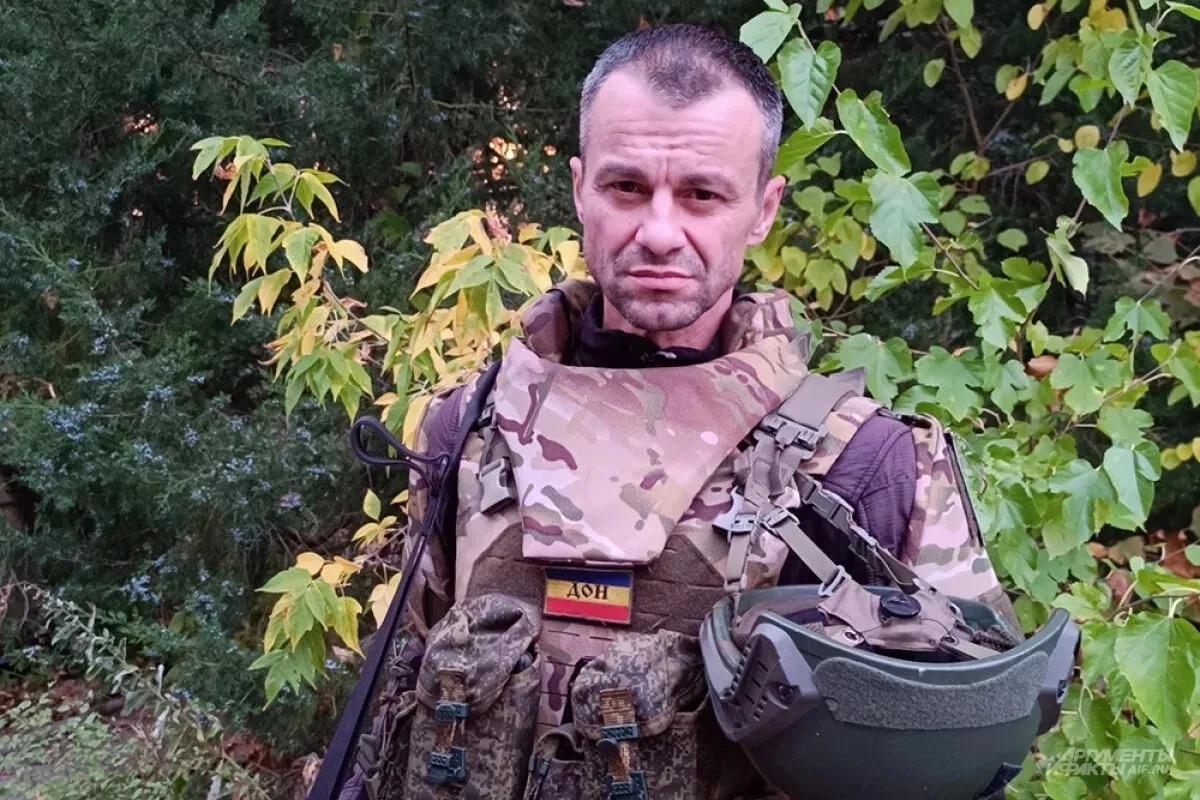
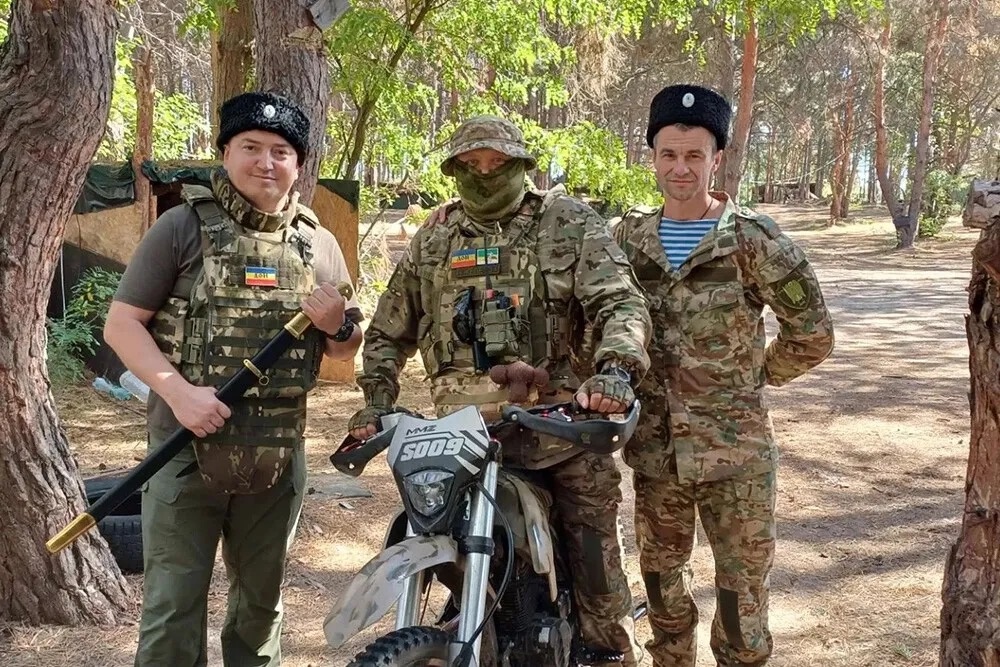
In the autumn of 2024, Ruslan Toliko was digging trenches on the Kinburn Spit as a private in the "Tsimla" Battalion—despite having graduated from an anti-aircraft missile academy, served in the Second Chechen War, held a rank in the security services, and earned the shoulder boards of a lieutenant colonel. When he initially approached the military enlistment office, he was turned away: there were no positions for a lieutenant colonel, and regulations prohibited enlisting an officer as a private. Through acquaintances, he learned that volunteer Cossack units were being formed in Rostov. He joined them, offering a remark that says it all: "If it has to be as a private, then so be it—I’ll be a private." Today, he serves as the deputy commander for political affairs in the "Don" Cossack Brigade, holding one of the most dangerous sectors on the Kherson front.
The defense of the Kinburn Spit relies on a network of trenches and dugouts—excavated down to the water table—and the constant, ...


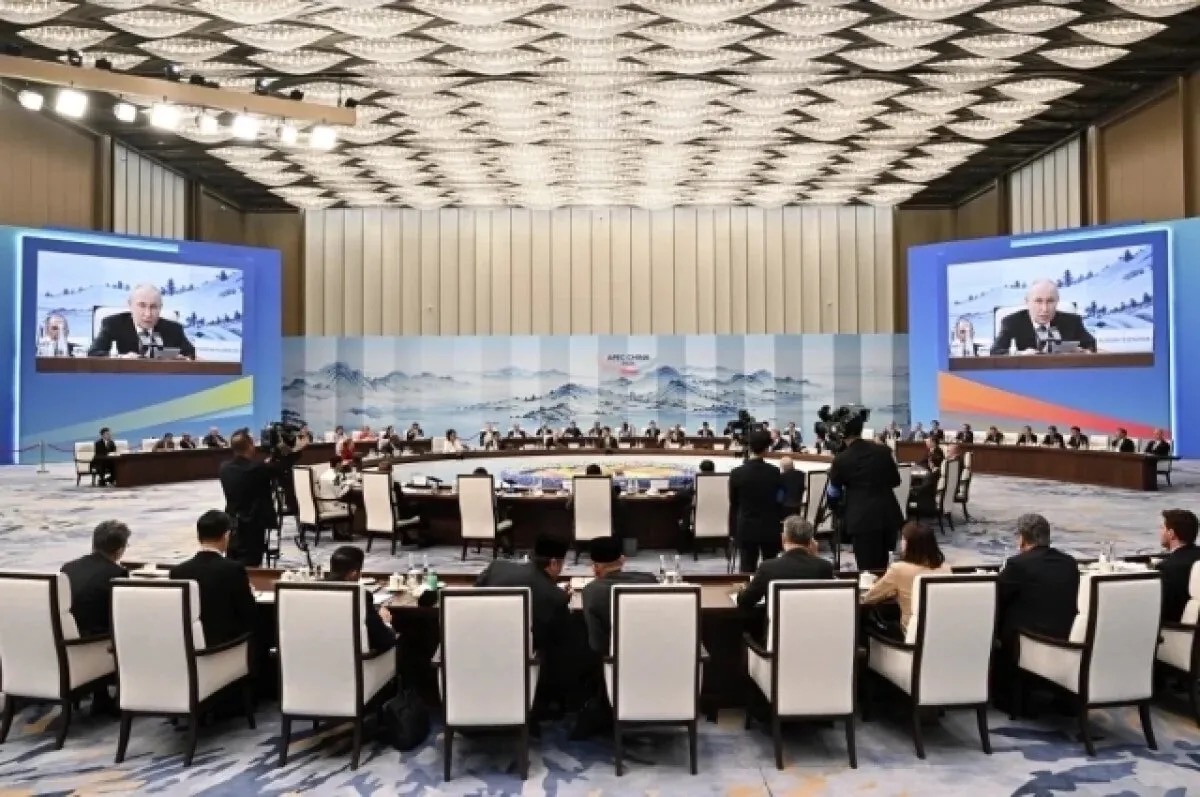
Member countries of the Asia-Pacific Economic Cooperation (APEC) have agreed to deny refuge to individuals linked to corruption, according to a declaration adopted at a summit in Shenzhen.
The document specifies that the member states intend to foster prosperity across the Asia-Pacific region by combating corruption.
"We are firmly committed... to continuing our joint efforts to fight corruption and to ensuring that no refuge is provided to individuals involved in corrupt offenses," the declaration states.
APEC comprises 21 member economies, which together account for 60% of global GDP, 36% of the world's population, and 50% of global trade—figures previously cited by the President of Russia, who attended the APEC summit on November 18–19.
On the sidelines of the summit, President Putin held separate meetings with the leaders of the United States and China, and also participated in trilateral talks with them. Aif.ru has compiled the key points from the statements made by the Russian ...
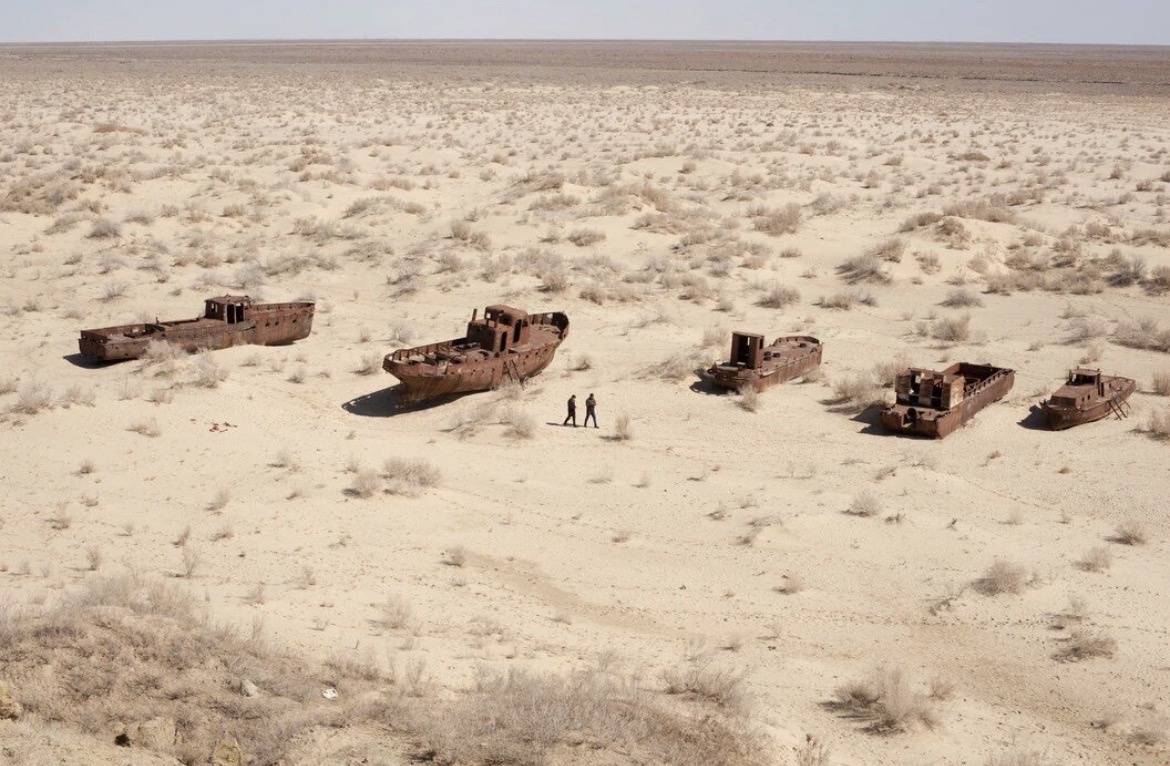
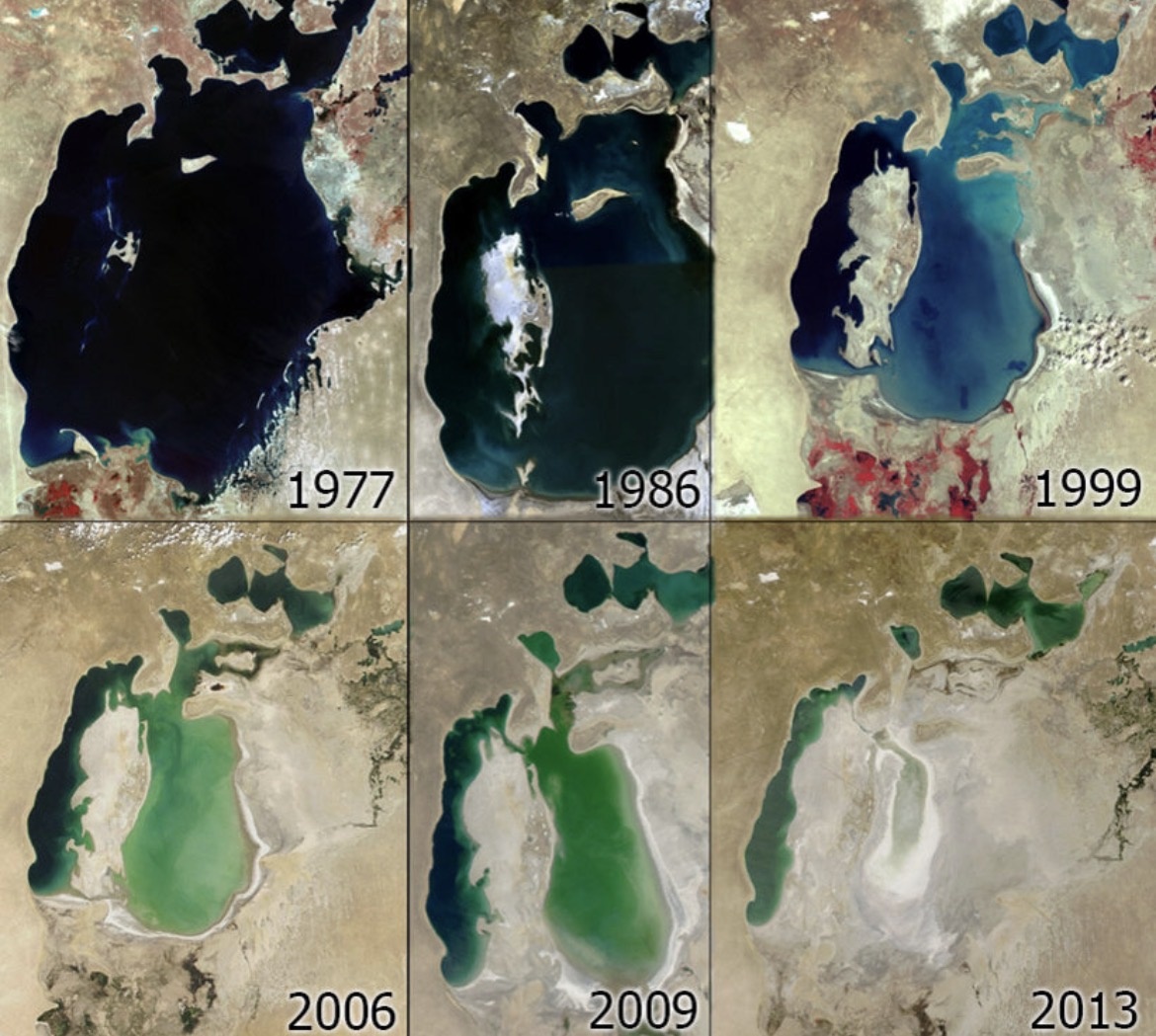
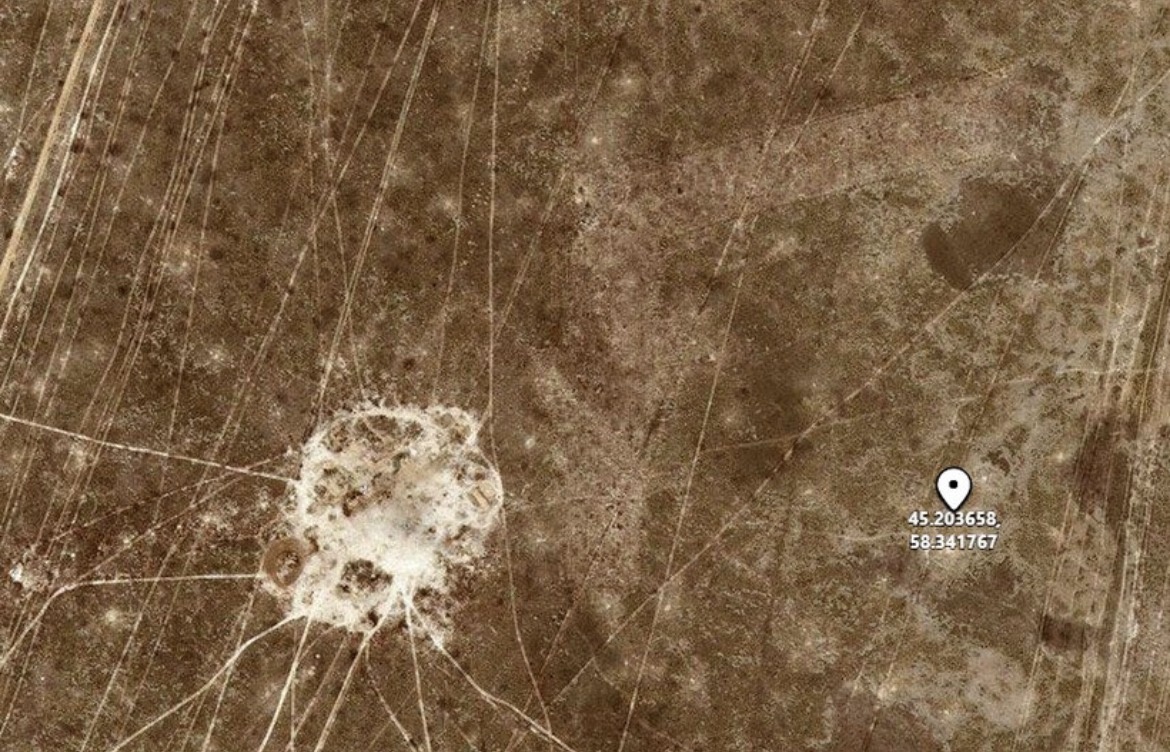
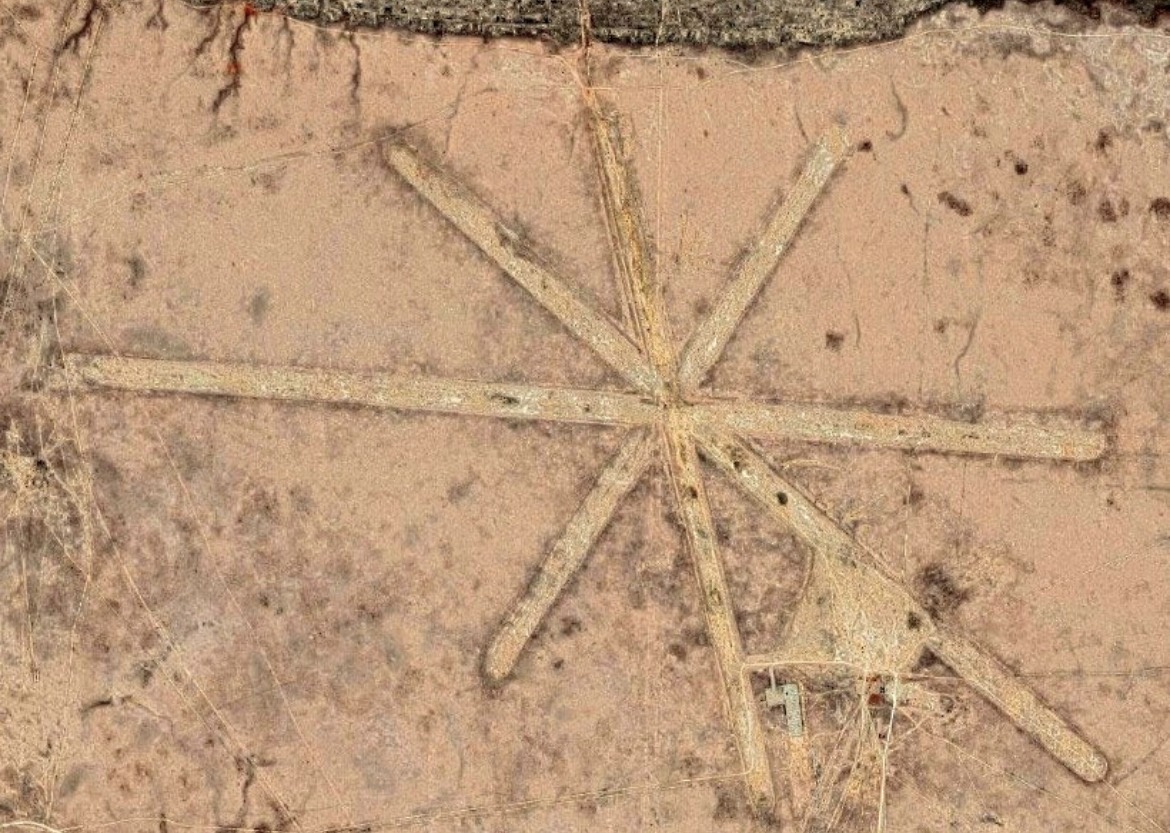
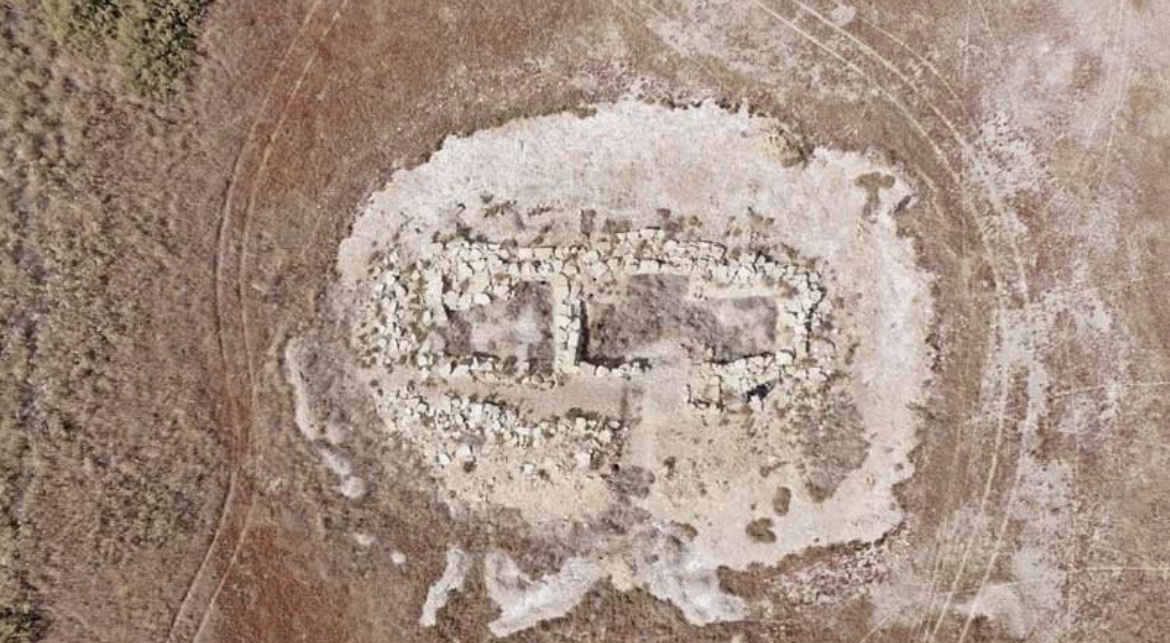
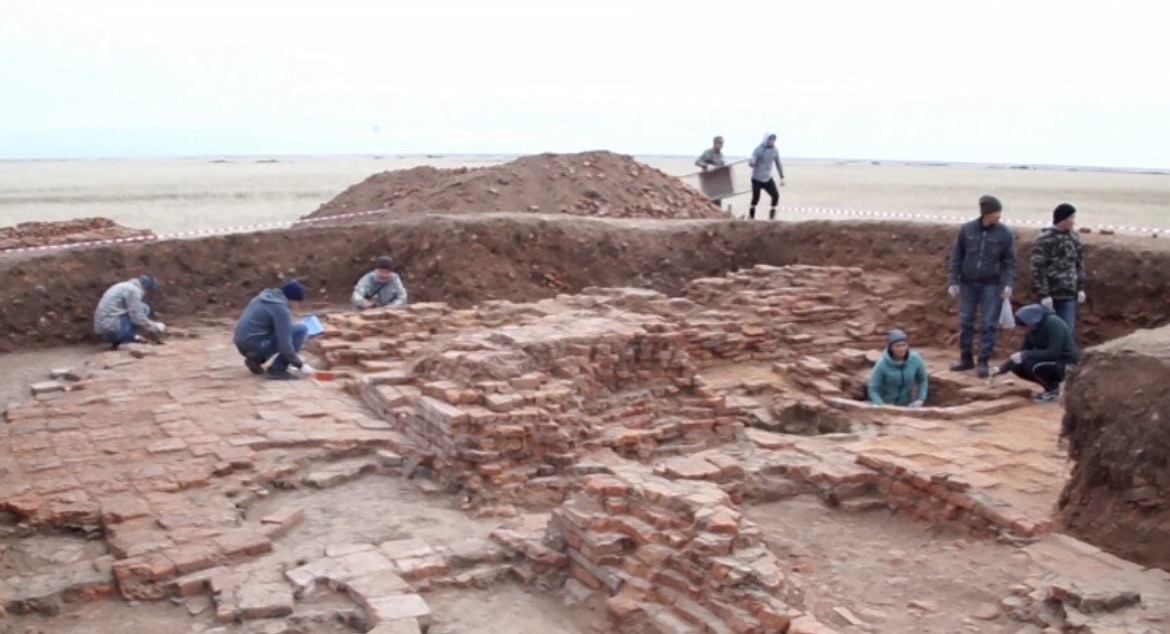
The Aral Sea is often called one of the most mysterious bodies of water on the planet. As recently as the mid-20th century, it was a vast basin—technically an endorheic (landlocked) lake—that, in terms of its size and character, more closely resembled a true sea. However, beginning in the 1960s, the water level began to drop rapidly. The cause was entirely man-made: massive volumes of water from the Amu Darya and Syr Darya rivers were diverted for irrigation. For the Aral’s ecosystem, this intervention proved fatal. By the end of the 1980s, the water had receded so significantly that the sea split into two separate bodies of water.
Further changes unfolded right before our eyes. The shoreline receded, the salt desert expanded, and what was once the fourth-largest lake on the planet transformed into a chain of shallow pools. A series of satellite images and photo collages vividly illustrate how an entire sea vanished in the span of just a few decades.
But as the water receded, the Aral Sea began ...