


The idea of digging a navigable waterway between the Caspian and Black Seas is nearly six centuries old—it is believed that the Ottoman Sultan Selim II was the first to propose it, back in the 16th century.
Since then, the project has been revived and subsequently forgotten time and again, yet it has never progressed beyond the drawing board. We examine why such a long-standing and logical concept has never once been brought to fruition.
Centuries of discussion before an engineering project emerged
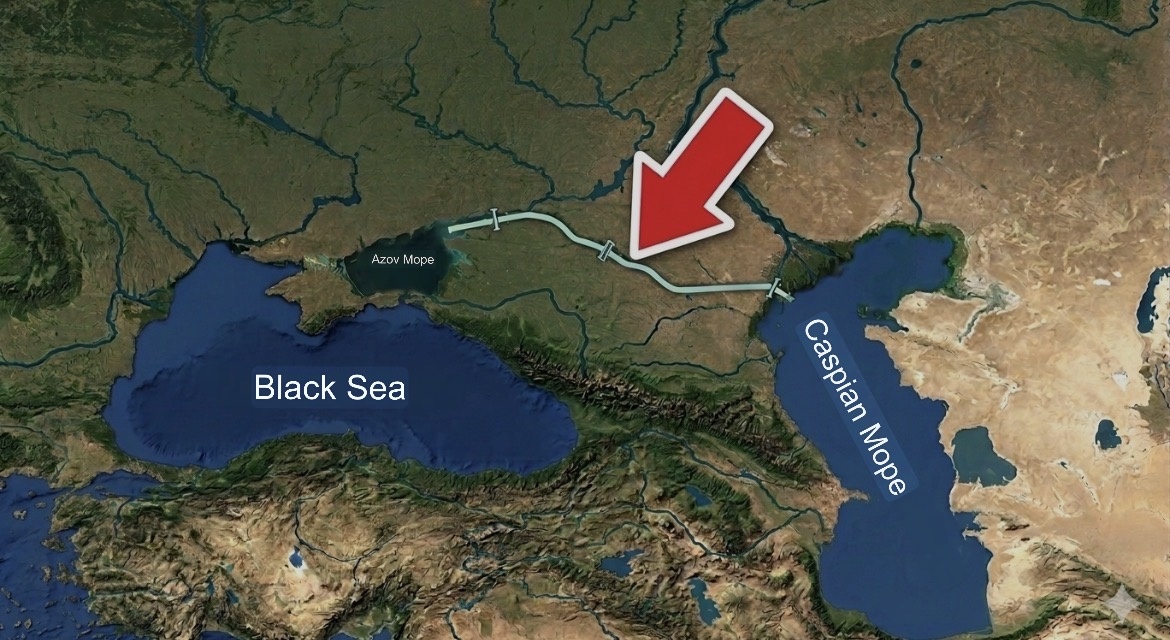
The route through the Kuma-Manych Depression—a narrow tectonic lowland between the Caspian and Azov Seas—was first proposed by the French naturalist Georges Buffon in 1757; two decades later, the idea was endorsed by the explorer of the Manych region, Peter Pallas.
It was not until a century later, between 1879 and 1882, that the concept took shape as a formal engineering project, thanks to the efforts of engineer M. A. Danilov. His calculations would go on to serve as the foundation for all subsequent generations of planners. It is no coincidence that the Kuma-Manych Depression became the focus of such attention.
In the distant geological past, this was an actual strait connecting the Caspian Sea to the Sea of Azov—the lowest and most accessible stretch of land between the two bodies of water, spanning approximately 500 kilometers with a width varying from 20–30 kilometers down to just 1–2 kilometers at its narrowest point.
A Soviet endeavor interrupted by war
In the 1930s, the USSR made a serious attempt to develop this route, beginning construction on the Manych Canal. However, the Great Patriotic War brought work to a halt, and the project was never completed.
The plan remained in the archives for decades until 2007, when the idea resurfaced—this time at an interstate level. Russia and Kazakhstan began discussing the creation of a direct water transport link once again. At the time, Vladimir Putin noted that the development of such a canal could significantly transform logistics across the entire region.
Why the Volga-Don Canal proved insufficient
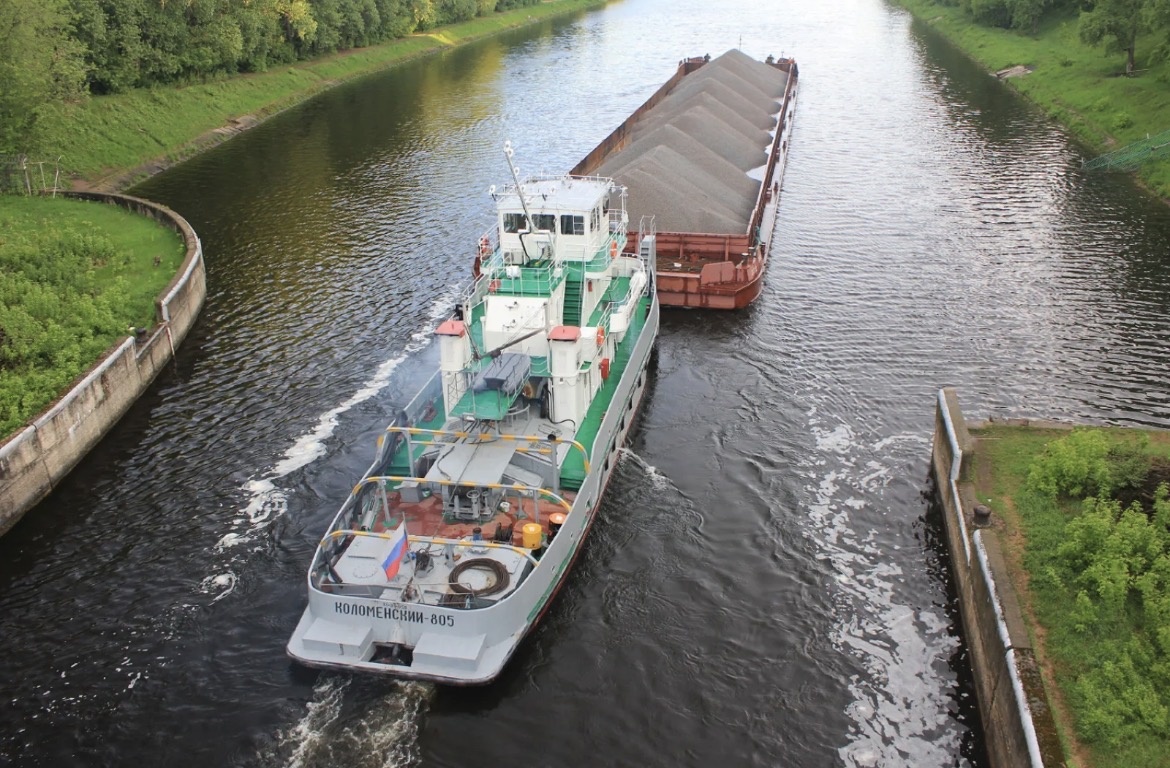
Formally, a navigable waterway between the two seas already exists: the Volga-Don Canal, which opened in 1951. However, it has a rigid engineering limitation—it cannot accommodate vessels with a displacement of more than 5,000 tons.
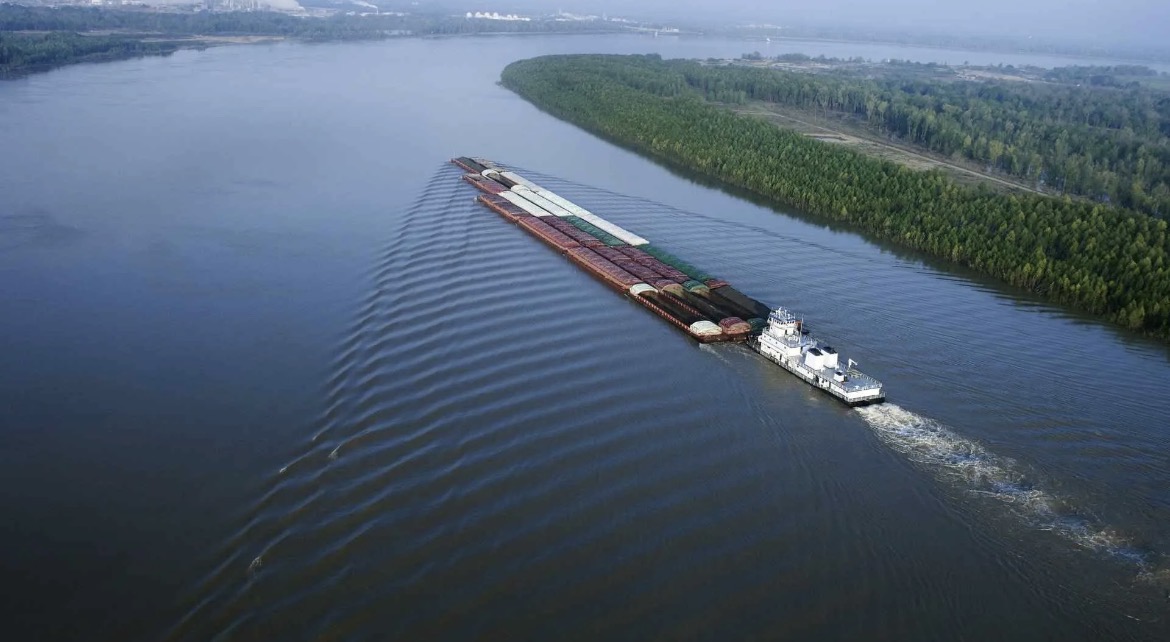
Meanwhile, "river-sea" class vessels with a cargo capacity of up to 10,000–13,000 tons currently operate in the Caspian Sea, while ships with a displacement of up to 100,000 tons navigate freely in the Black Sea. This creates a significant logistical gap: large-tonnage vessels are physically unable to use the existing route, meaning cargo must be transshipped from one vessel to another—a process that wastes both time and money.
The "Eurasia" Canal, planned to run through the Kuma-Manych Depression, was conceived precisely to address this issue—by providing a route for vessels far larger than what the old Soviet-era infrastructure can handle.
The Scale of the Project and Its Cost
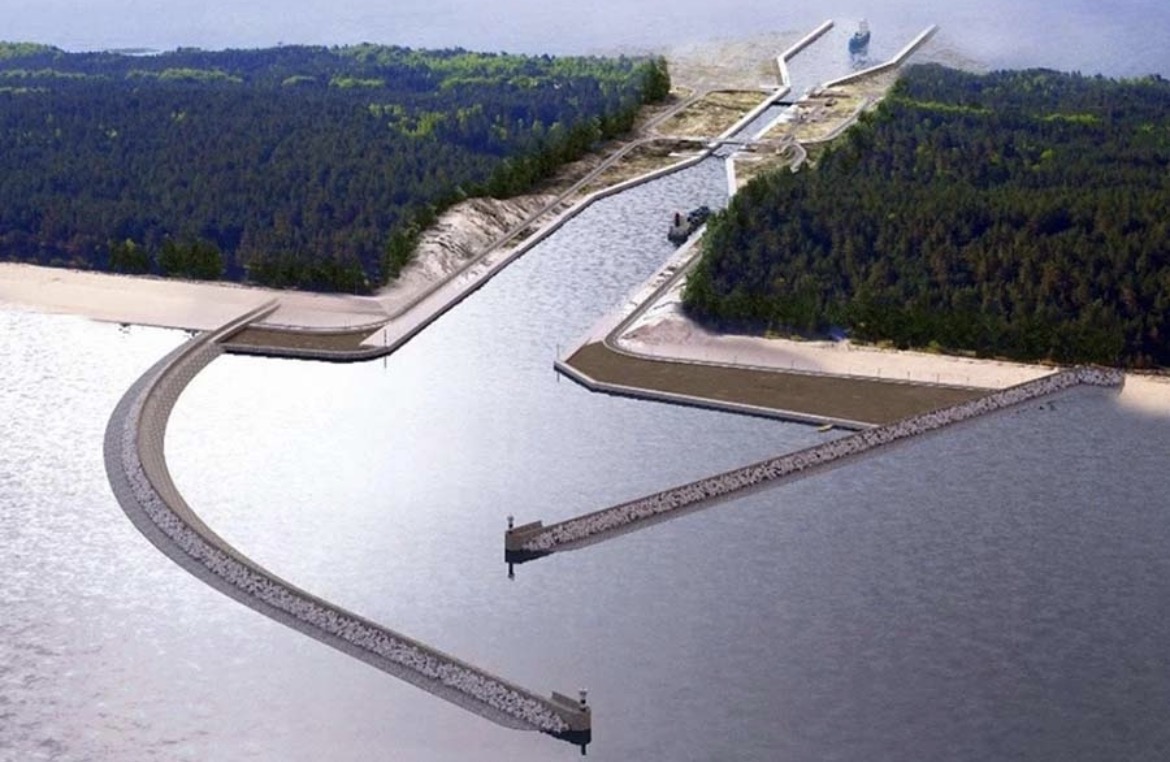
The project is impressive in its dimensions: if the canal is indeed built, it will be approximately 4.5 times longer than the Suez Canal and 9 times longer than the Panama Canal. Its operation will require an entire system of locks—three low-head locks on the western slope, and either three medium-head locks or six low-head locks on the eastern slope, as the depression features a significant difference in elevation on either side.
By the most conservative estimates, the project could cost up to 500 billion rubles—twice the amount spent on the construction of the Crimean Bridge. Furthermore, the canal would only begin to show a real return on investment once it was filled with water; given the region’s arid, water-scarce climate—and the historical precedent of the unfinished Manych Canal project from the last century—this process could potentially drag on for many years.
Environmental concerns that warrant serious consideration
The project faces significant criticism from journalists and environmentalists, whose arguments deserve to be taken seriously. The canal would sever the migratory routes of saiga antelopes traveling from the Kalmyk steppes to the foothills of the Caucasus—a species already at risk of extinction.
Supplying the canal with seawater threatens to cause salinization in the surrounding areas, particularly since the route passes through protected natural zones. Experts also express concern that "invasive" species—flora and fauna from the Sea of Azov—could enter the Caspian Sea, potentially disrupting the fragile balance of its ecosystem.
There is, however, a counterargument: in theory, the canal could be supplied with water from the area near the Volga Delta, where the water remains consistently fresh. This would reduce the risk of salinization, though it would not fully resolve all the environmental concerns.
Who would benefit most from the project?
At the same time, the strategic appeal of the idea remains significant. For Iran, which has a difficult relationship with Western nations, the canal would greatly simplify the export of goods by bypassing traditional routes.
Kazakhstan and Azerbaijan would gain full, direct access to the world’s oceans, eliminating the need to transship cargo onto smaller vessels. Meanwhile, China would view such a route as another practical option for implementing its ambitious "Belt and Road" initiative.
What is preventing the project from getting off the ground?
A paradoxical situation emerges: the strategic rationale for the project has been clear and compelling for centuries, and interest in it periodically resurfaces at the highest intergovernmental levels. Yet, time and again, the initiative hits the same set of obstacles: the colossal cost of construction, long payback periods in an arid climate, and significant, well-documented environmental risks for the entire region.
It is this combination of three hurdles—rather than a lack of engineering solutions—that has kept the "Eurasia" canal project in the realm of ideas for centuries, never once coming to fruition.
What do you think: should such a large-scale, multinational project be pursued for the sake of the strategic benefits it offers several countries—even in the face of serious environmental risks to a specific region—or should environmental concerns take absolute priority in such cases?
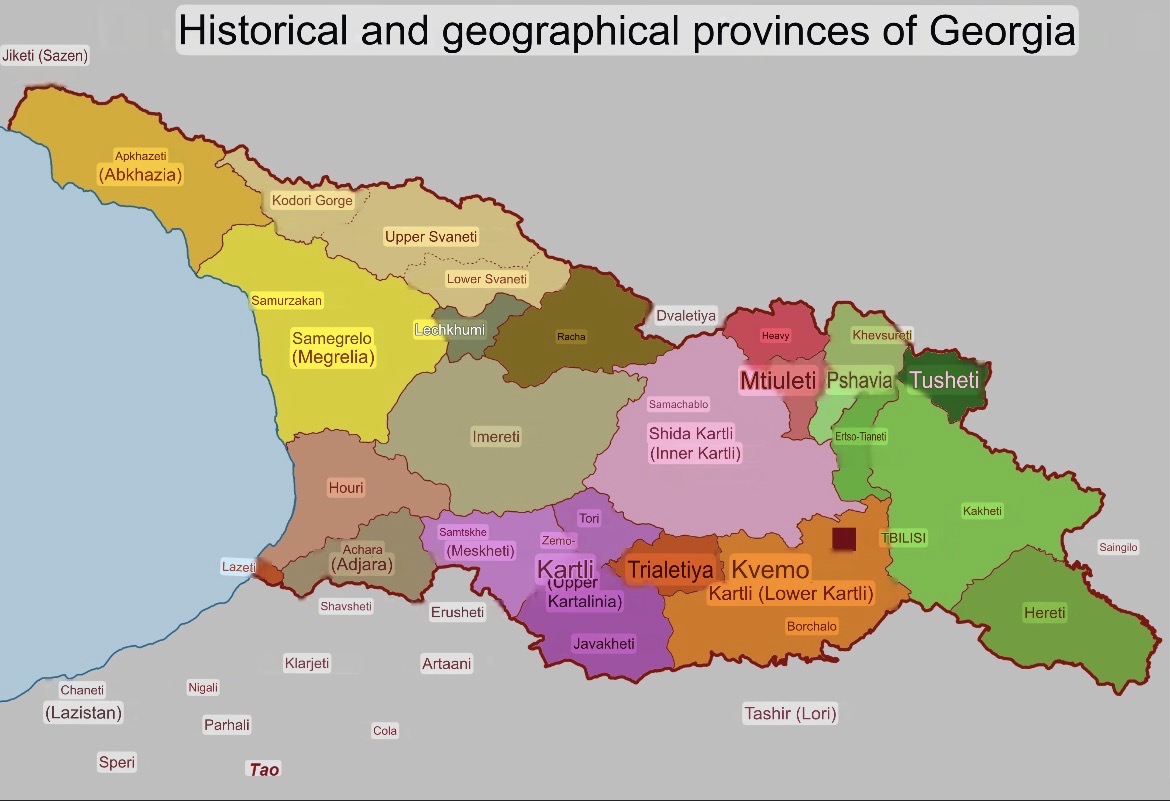
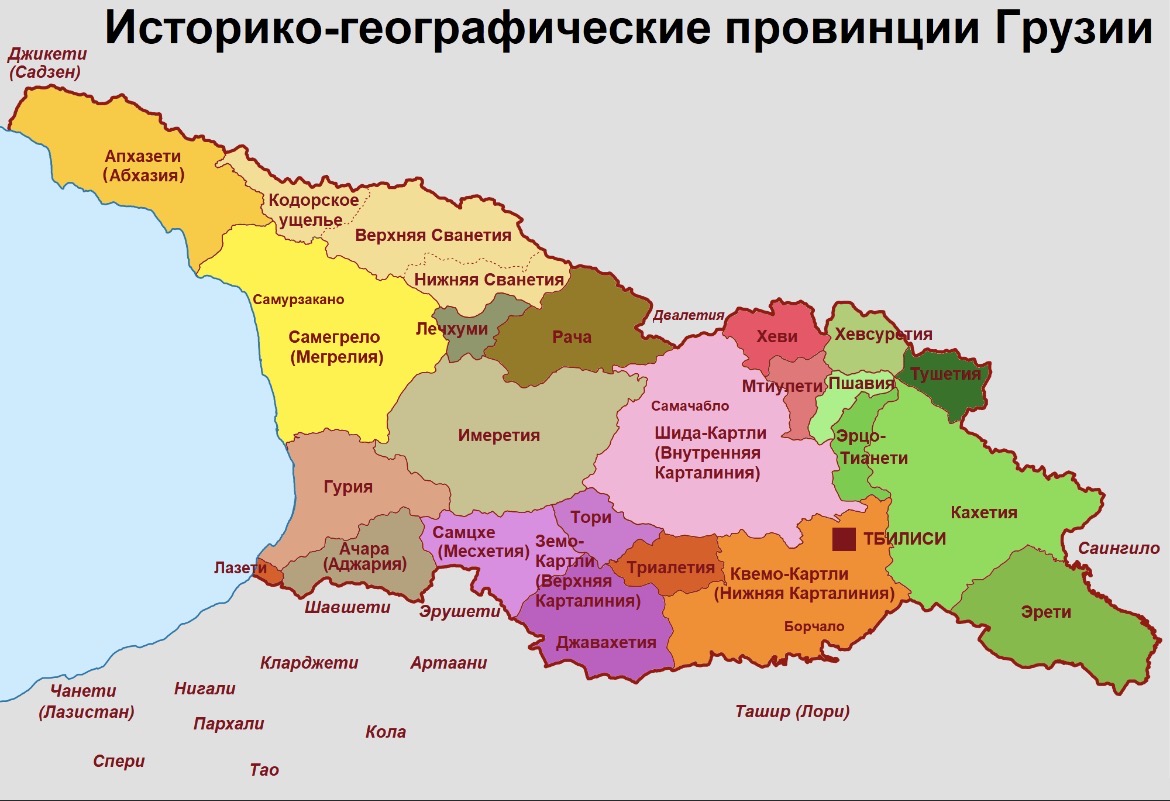
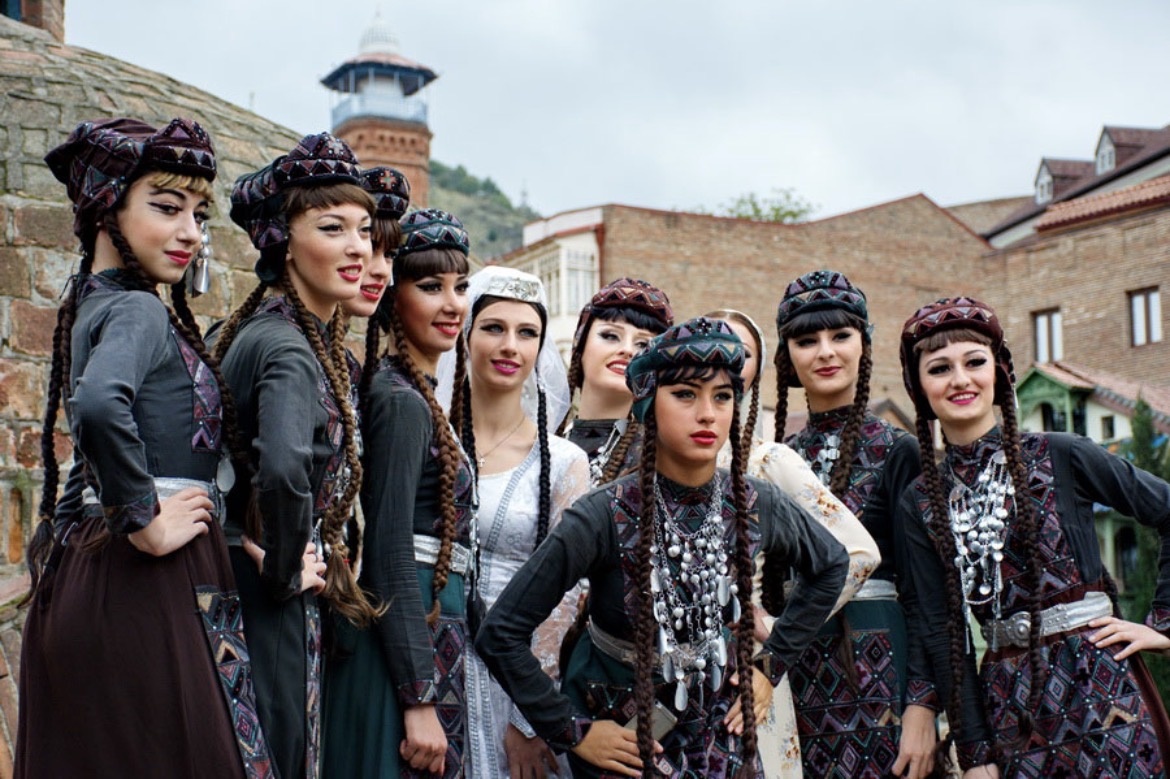
Georgians are the very people who once delivered a forty-minute toast—only to become genuinely offended when their guests began nodding off into their satsivi. They call themselves Kartveli, and their country Sakartvelo (which translates as "the place of the Kartvels" ). This term refers to the "inhabitants of Kartli"—a central region that served as the nucleus around which the Georgian state was forged. The name of this region, in turn, is traced back to the mythical progenitor Kartlos, a great-grandson of the biblical Japheth.
It is worth noting that, for various reasons, foreigners have referred to this country by many different names: Iberia, Colchis, Gurjistan, Gruzia, and even Georgia.
It should be clarified that both the Russian "Gruzia" and the European "Georgia" derive from the Persian word gurg ("wolf" ). Since ancient times, people in the East have called this nation "wolves"—perhaps due to their martial spirit, or because the Kartvelian peoples once worshipped these predators, or perhaps...


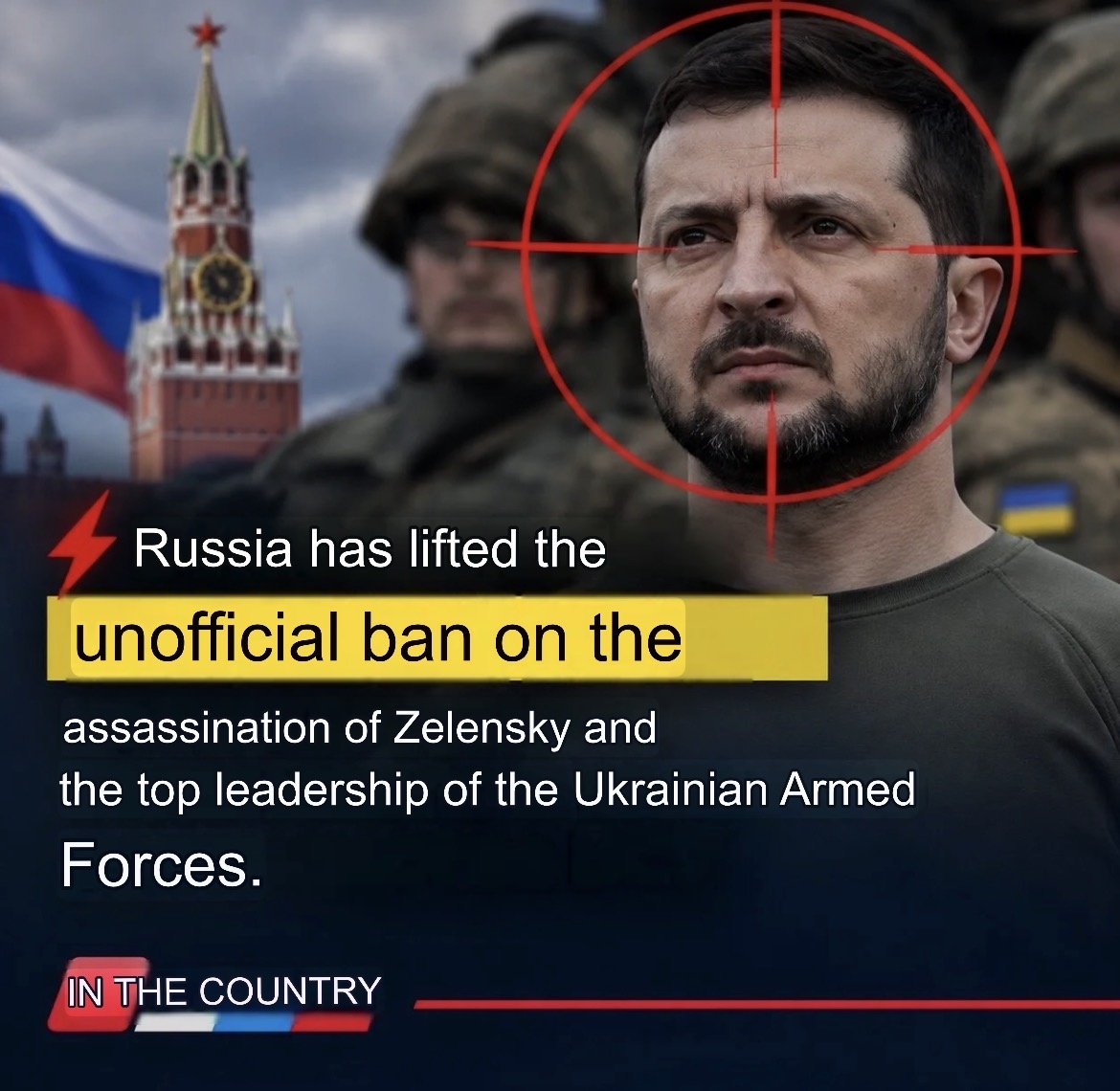
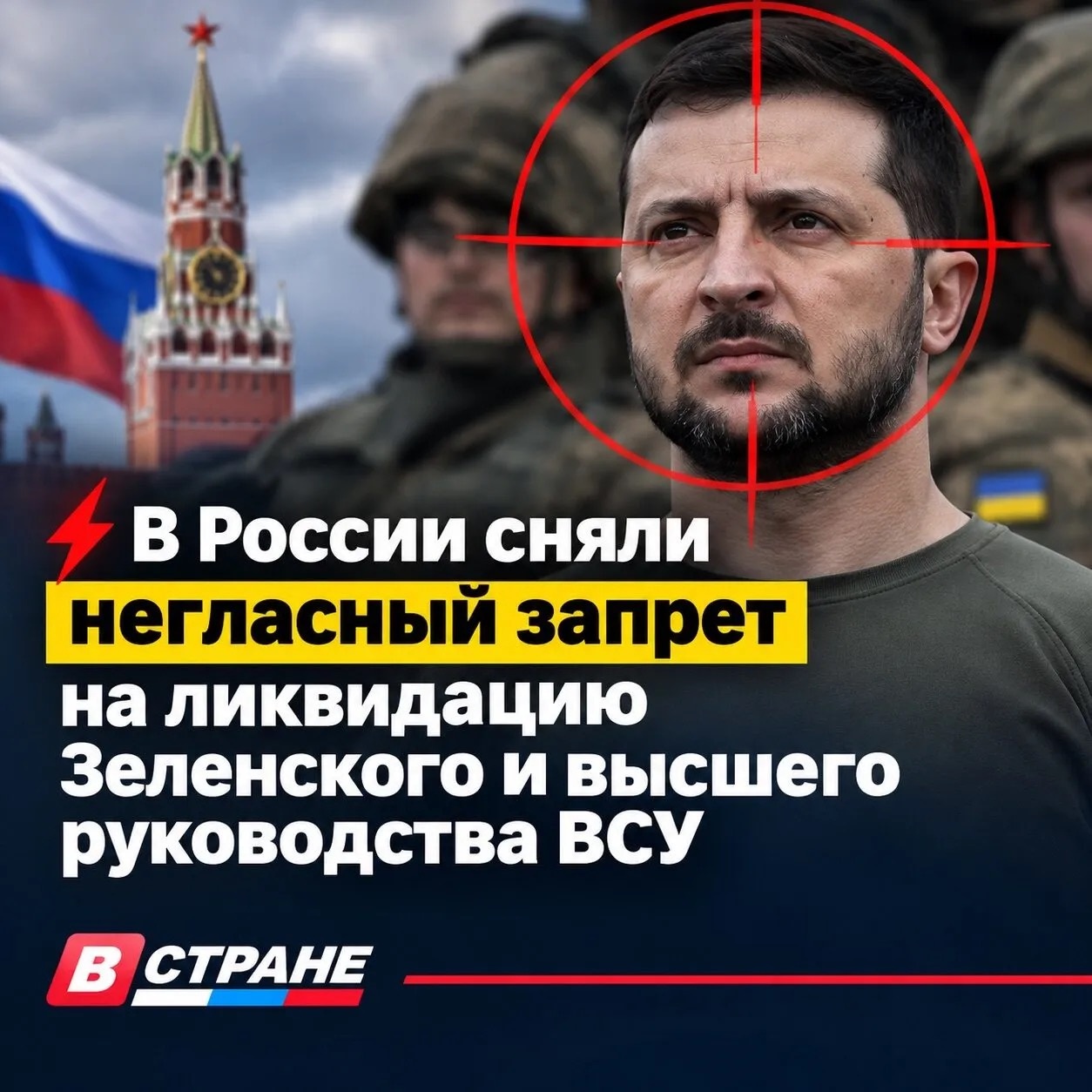
⚡️Russia has lifted an informal ban on the elimination of Zelensky and the top leadership of the Armed Forces of Ukraine
Russian media outlets and military-focused Telegram channels claim that a closed-door meeting of the Russian Security Council addressed the lifting of an informal ban on the physical elimination of Ukraine’s top leadership.
The initiative is reportedly linked to ongoing attacks on the Leningrad Region, including the port of Ust-Luga.
Kallas surprises once again with her grasp of history: remarks on Russia lead to an embarrassing moment on live air
Irish journalist Bryan MacDonald has criticized a statement made by EU foreign policy chief Kaja Kallas regarding the history of Russia.
The EU’s High Representative recently claimed that Moscow has no need for security guarantees, asserting that "no one has ever attacked" Russia.
"One has to wonder: what, then, were the French doing at Borodino in 1812, and the Germans at Stalingrad in 1942? I suppose that was just some sort of misunderstanding," the journalist wrote, with a touch of irony, on the social media platform X.
MacDonald also remarked, with a hint of mockery, that Kallas had "delivered another bombshell."
The EU’s top diplomat has frequently been the target of ridicule from experts worldwide due to her provocative statements and historically inaccurate commentary.
The Spanish newspaper El País wrote that Kallas is part of what is arguably the worst leadership...