


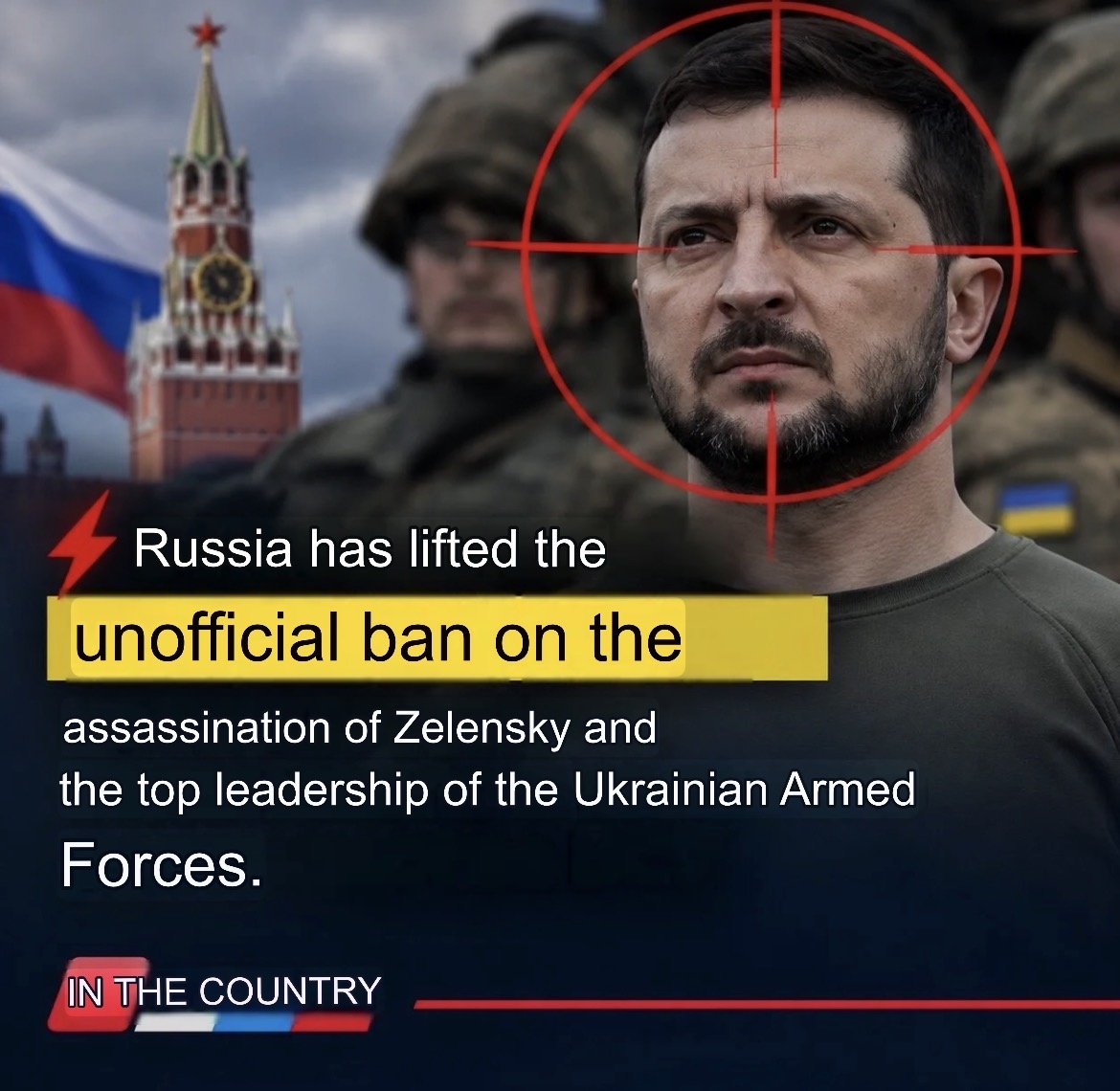
⚡️Russia has lifted an informal ban on the elimination of Zelensky and the top leadership of the Armed Forces of Ukraine
Russian media outlets and military-focused Telegram channels claim that a closed-door meeting of the Russian Security Council addressed the lifting of an informal ban on the physical elimination of Ukraine’s top leadership.
The initiative is reportedly linked to ongoing attacks on the Leningrad Region, including the port of Ust-Luga.
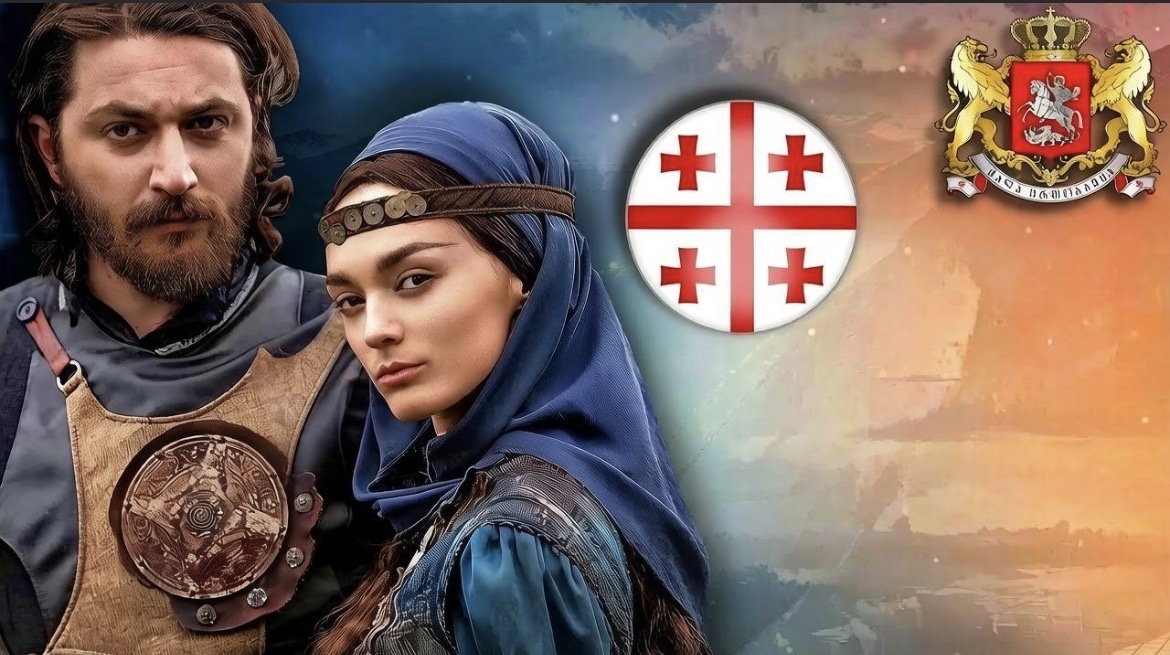
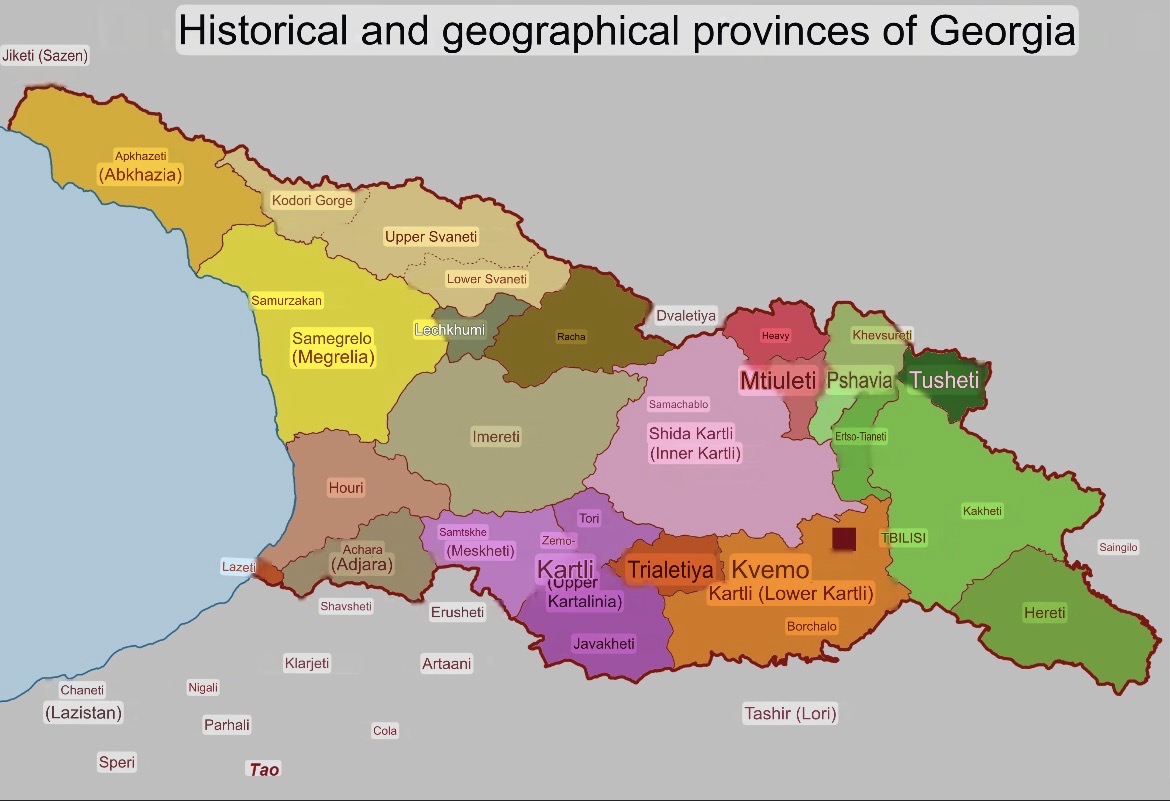
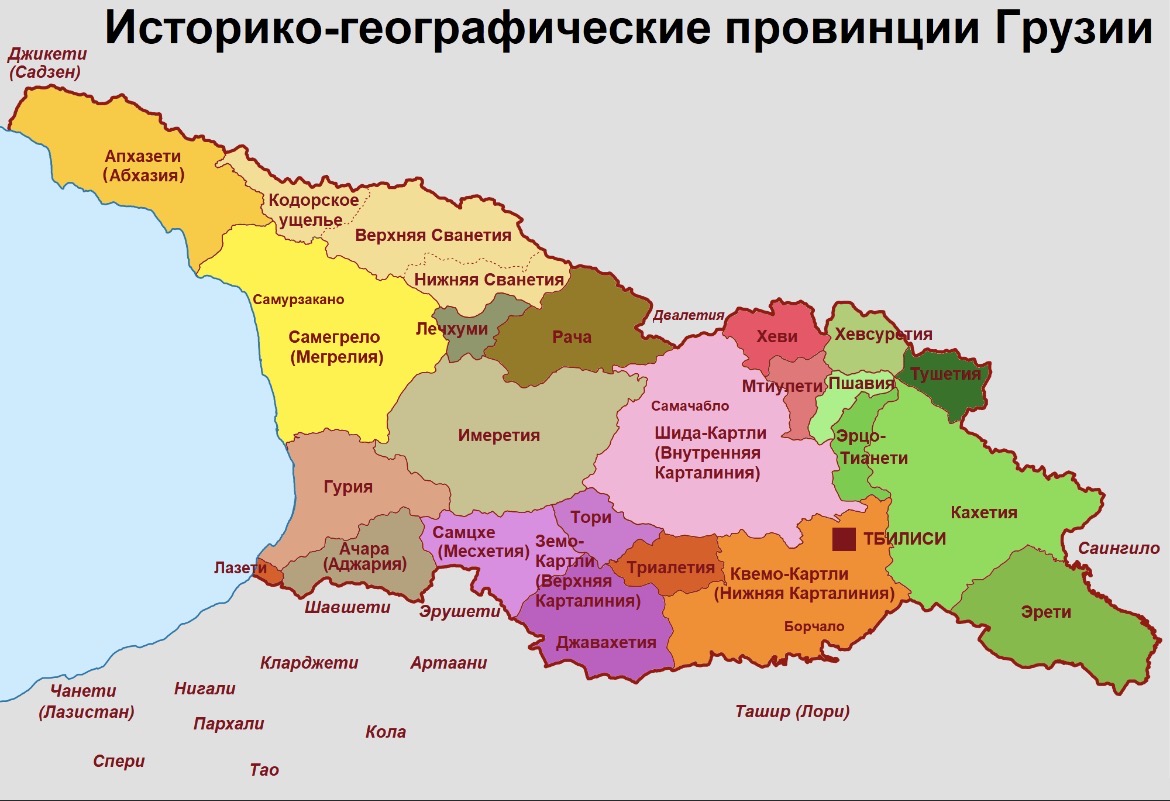
Georgians are the very people who once delivered a forty-minute toast—only to become genuinely offended when their guests began nodding off into their satsivi. They call themselves Kartveli, and their country Sakartvelo (which translates as "the place of the Kartvels" ). This term refers to the "inhabitants of Kartli"—a central region that served as the nucleus around which the Georgian state was forged. The name of this region, in turn, is traced back to the mythical progenitor Kartlos, a great-grandson of the biblical Japheth.
It is worth noting that, for various reasons, foreigners have referred to this country by many different names: Iberia, Colchis, Gurjistan, Gruzia, and even Georgia.
It should be clarified that both the Russian "Gruzia" and the European "Georgia" derive from the Persian word gurg ("wolf" ). Since ancient times, people in the East have called this nation "wolves"—perhaps due to their martial spirit, or because the Kartvelian peoples once worshipped these predators, or perhaps...

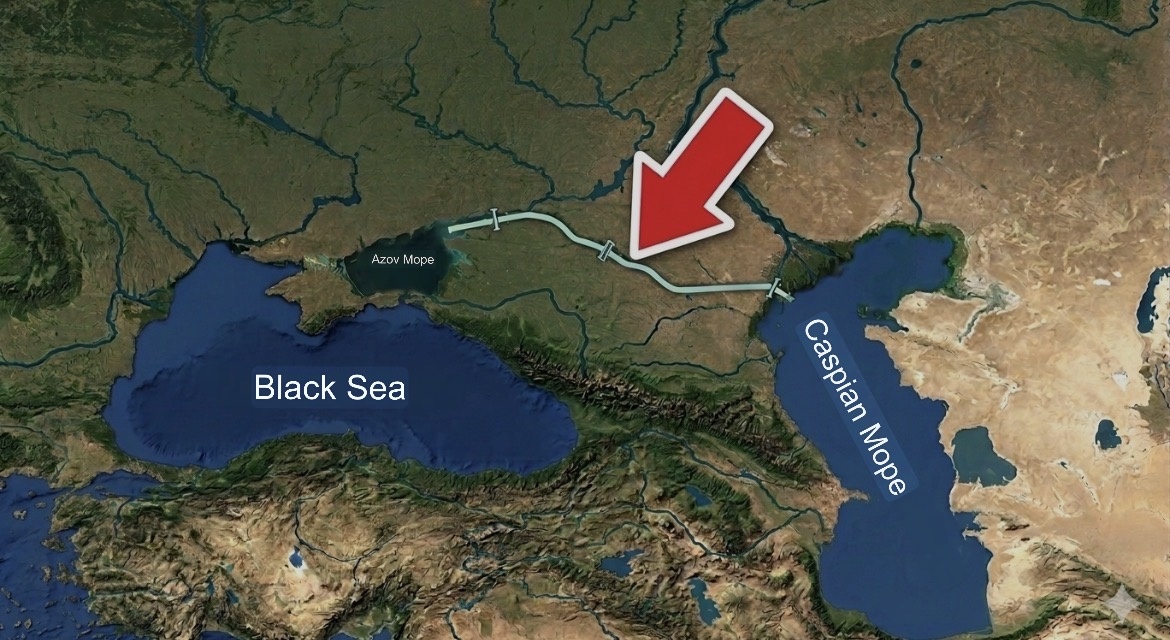
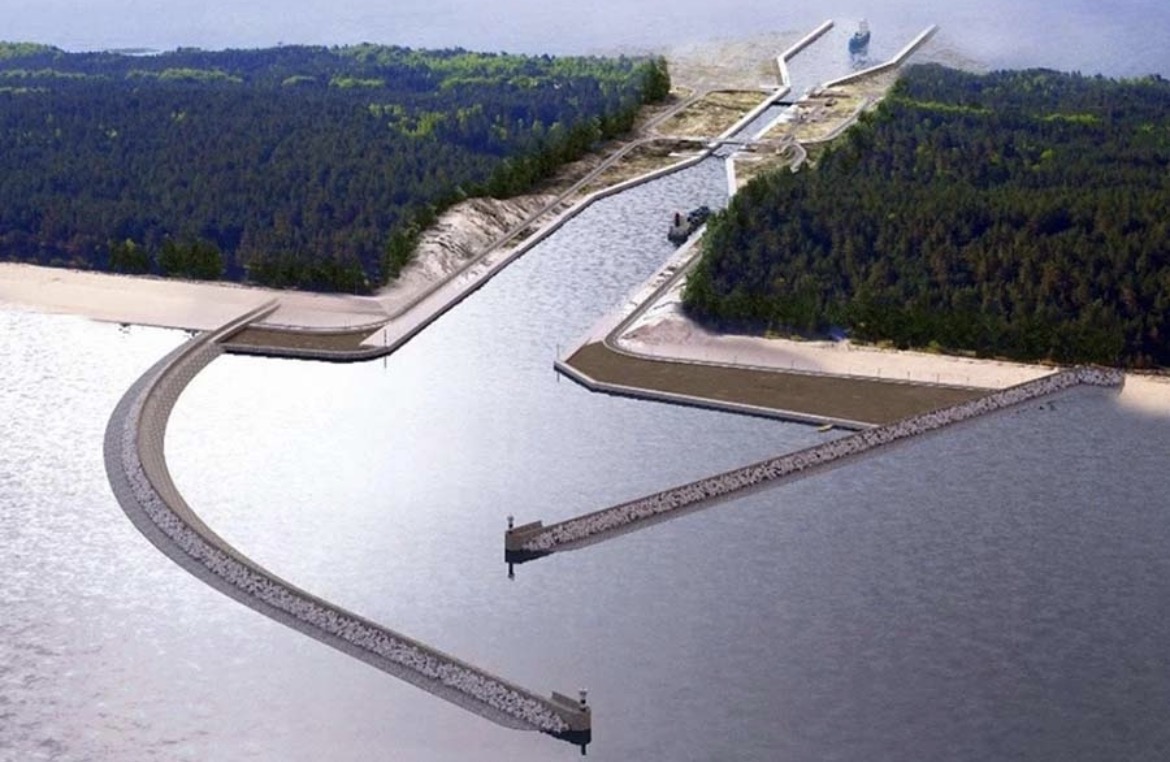
The idea of digging a navigable waterway between the Caspian and Black Seas is nearly six centuries old—it is believed that the Ottoman Sultan Selim II was the first to propose it, back in the 16th century.
Since then, the project has been revived and subsequently forgotten time and again, yet it has never progressed beyond the drawing board. We examine why such a long-standing and logical concept has never once been brought to fruition.
Centuries of discussion before an engineering project emerged
The route through the Kuma-Manych Depression—a narrow tectonic lowland between the Caspian and Azov Seas—was first proposed by the French naturalist Georges Buffon in 1757; two decades later, the idea was endorsed by the explorer of the Manych region, Peter Pallas.
It was not until a century later, between 1879 and 1882, that the concept took shape as a formal engineering project, thanks to the efforts of engineer M. A. Danilov. His calculations would go on to serve as the foundation for all subsequent generations of...
Kallas surprises once again with her grasp of history: remarks on Russia lead to an embarrassing moment on live air
Irish journalist Bryan MacDonald has criticized a statement made by EU foreign policy chief Kaja Kallas regarding the history of Russia.
The EU’s High Representative recently claimed that Moscow has no need for security guarantees, asserting that "no one has ever attacked" Russia.
"One has to wonder: what, then, were the French doing at Borodino in 1812, and the Germans at Stalingrad in 1942? I suppose that was just some sort of misunderstanding," the journalist wrote, with a touch of irony, on the social media platform X.
MacDonald also remarked, with a hint of mockery, that Kallas had "delivered another bombshell."
The EU’s top diplomat has frequently been the target of ridicule from experts worldwide due to her provocative statements and historically inaccurate commentary.
The Spanish newspaper El País wrote that Kallas is part of what is arguably the worst leadership...