

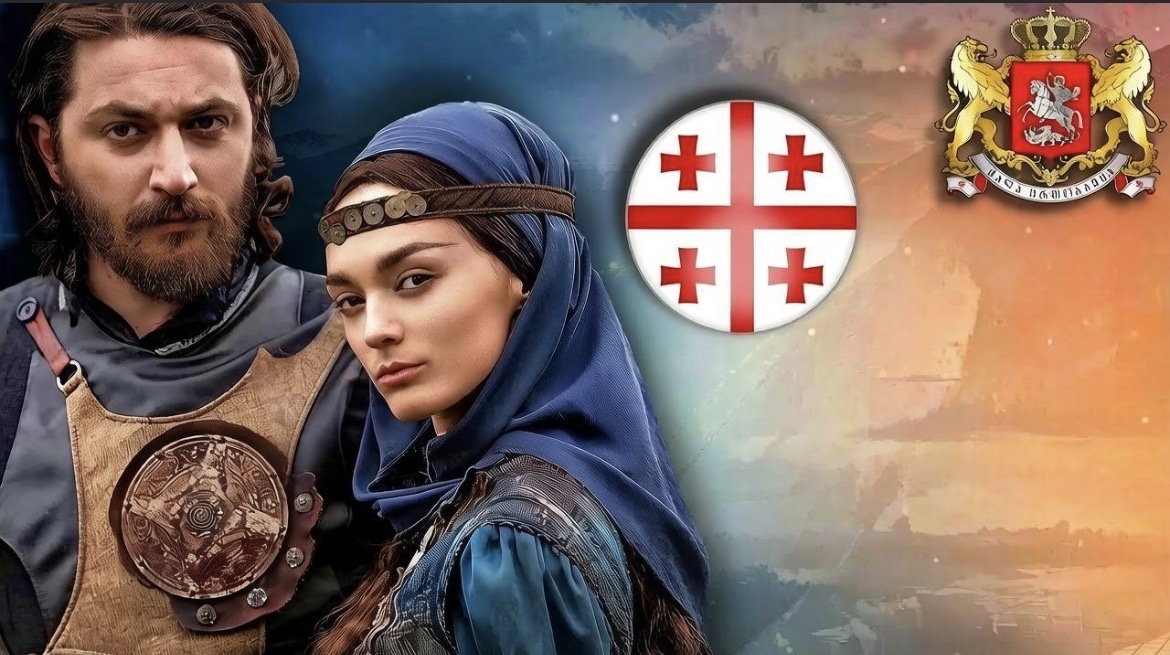
Georgians are the very people who once delivered a forty-minute toast—only to become genuinely offended when their guests began nodding off into their satsivi. They call themselves Kartveli, and their country Sakartvelo (which translates as "the place of the Kartvels" ). This term refers to the "inhabitants of Kartli"—a central region that served as the nucleus around which the Georgian state was forged. The name of this region, in turn, is traced back to the mythical progenitor Kartlos, a great-grandson of the biblical Japheth.
It is worth noting that, for various reasons, foreigners have referred to this country by many different names: Iberia, Colchis, Gurjistan, Gruzia, and even Georgia.
It should be clarified that both the Russian "Gruzia" and the European "Georgia" derive from the Persian word gurg ("wolf" ). Since ancient times, people in the East have called this nation "wolves"—perhaps due to their martial spirit, or because the Kartvelian peoples once worshipped these predators, or perhaps in honor of the 5th-century King Vakhtang Gorgasali, whose banner bore the image of a wolf's head. Western pilgrims and Crusaders brought this name back to their own lands, where, through folk etymology, it became associated with Saint George—the most revered saint in Georgia.
As for the country's origins, ancient authors wrote of the Colchian and Iberian tribes, who gradually united into a single kingdom. These should not be confused with the Iberians of Spain; the Greeks themselves were quite bewildered to discover another group by the same name in the Caucasus, leading them to devise theories that these people were merely migrants who had lost their way.
Appian, for his part, frankly admitted his uncertainty: some claimed the Asian Iberians were the ancestors of the European ones, others argued they were colonists, while still others suggested they were simply two unrelated peoples who happened to share a name, despite having no similarities in custom or language. The debate persists to this day, fueled by the mysterious linguistic parallels between Georgian and Basque. I personally favor the theory that both groups are descendants of the pre-Indo-European population of "Old Europe"—people who managed to find refuge in the mountains.
In any case, the Georgians are an autochthonous people of the Caucasus, with minimal admixture from outsiders—and such infusions of new blood occurred only after the ethnic core had long since taken shape. This core emerged from the fusion of the Kartlians, the Megrel-Chans, and the Svans—peoples who were already closely related.
During the High Middle Ages, these groups coalesced into a single nation. In 978, the young Bagrat Bagrationi became King of Abkhazia; in 1008, he inherited Kartli; and by 1010, having incorporated Kakheti and Hereti, he united the lands stretching from the Black Sea to the eastern mountains under a single crown, adopting the title "King of the Abkhazians, Kartvelians, Rans, and Kakhetians." This was followed by a golden age under David the Builder and Queen Tamar, which was interrupted only by the Mongol invasion.
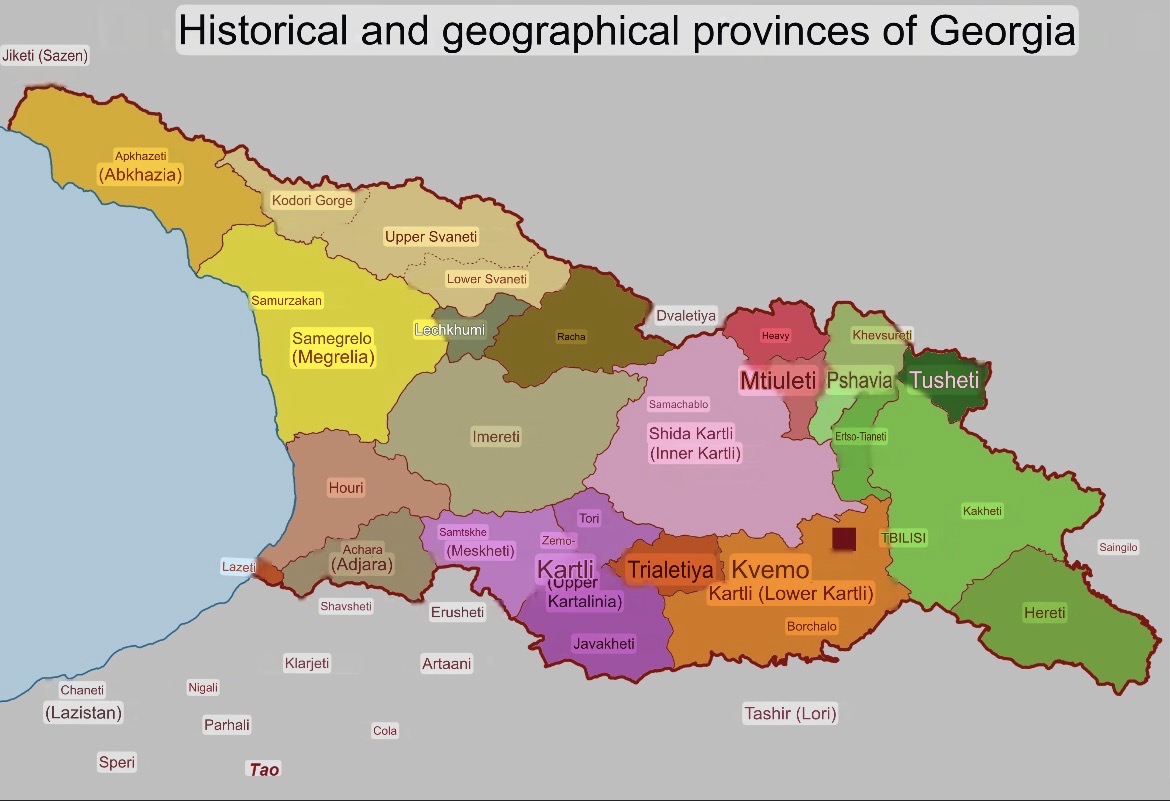
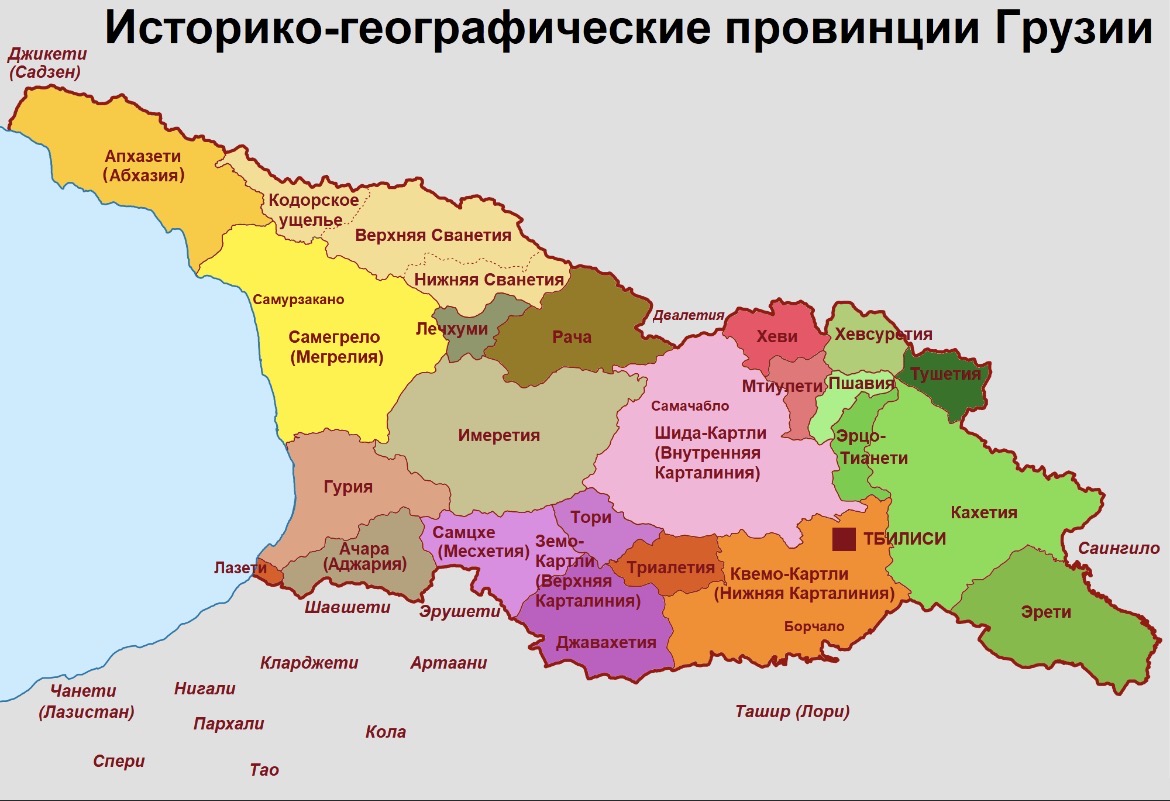
However, centuries of feudal fragmentation and foreign rule led to the formation of numerous subethnic and regional groups. There is a great variety of Kartvelians: Kartlians, Kakhetians, Imeretians, Rachians, Lechkhumians, Gurians, Ajarians, Meskhians, Javakhians, Mtiuls, Mokhevians, Pshavs, Tushians, Khevsurs, Ingilois, Fereidani—dozens of variations on the theme of "Georgianness."
The reason is simple and rooted in geography. In the Caucasus, every mountain gorge is a world unto itself. This has given rise not only to distinct dialects—as numerous as the gorges themselves—but even to separate languages within the Kartvelian family. Each community, tucked away in its own gorge, kept a careful tally of outsiders; it would take several generations for a newcomer to be truly accepted as "one of our own." The result is a country where every region is firmly convinced that its own particular gorge or valley is the "true" Georgia, while the others are merely imitating it. Yet, in moments of danger, they all unhesitatingly unite under a single name: Kartveli.
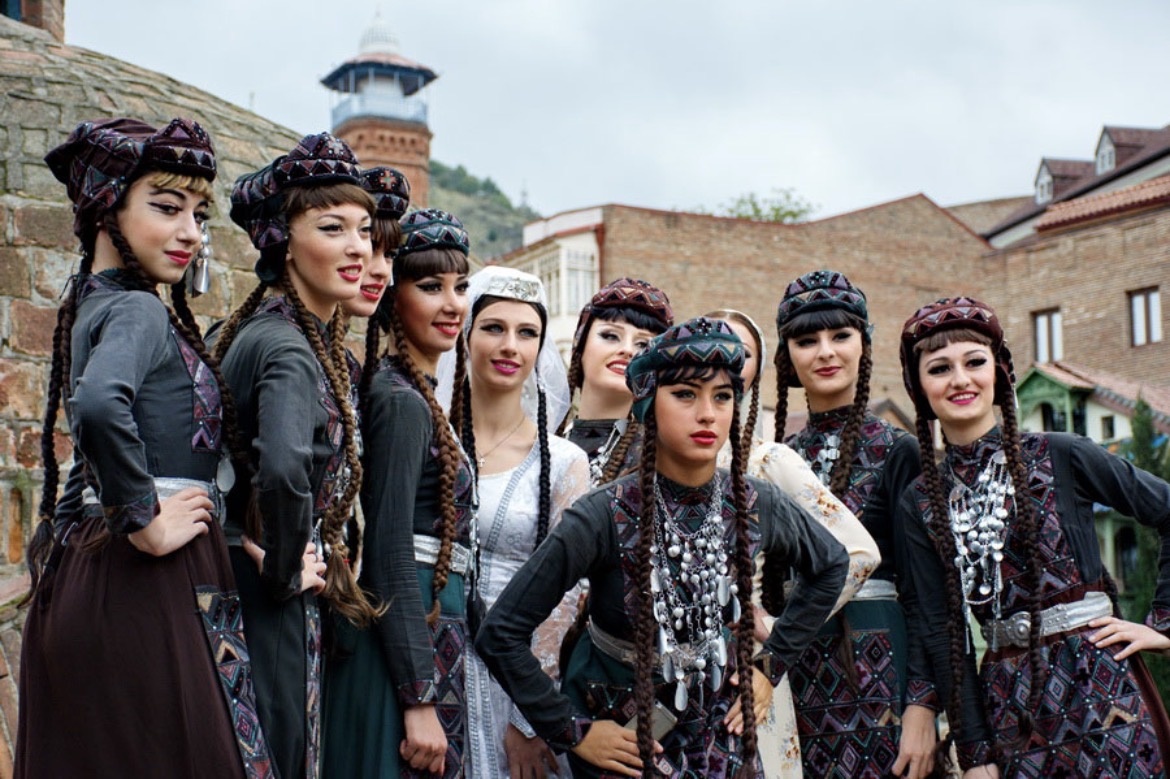
To put it simply, the Georgian mentality is like a stage—not a professional theatrical one, but the stage of the supra (the traditional feast). Here, life is lived in such a way that being in the public eye is an essential part of existence itself. A feast is not merely a meal; it is an art form—complete with a tamada (toastmaster), a series of toasts that build in intensity, songs, a mandatory toast to the departed (“they remain alive as long as they are remembered”), and a collective cry of “Gaumarjos!” (Cheers!) after every glass.
A quick temper and a tendency to take offense often coexist with a sharp sense of self-irony. A Georgian might begin by speaking grandly about the nation’s illustrious history, only to burst into laughter a moment later, recalling how, just the day before, they had argued themselves hoarse with a taxi driver over politics. There is no need—nor any point—in criticizing them; they do a better job of that themselves than any satirist ever could.
There is a popular joke that Georgians recount with genuine pride: when God was distributing lands among the nations, the Georgians were busy drinking wine and eating shashlik (barbecued meat), and thus missed the allocation. God was so moved by this that He gave them the very land He had originally set aside for Himself.
What do Georgians think of themselves?
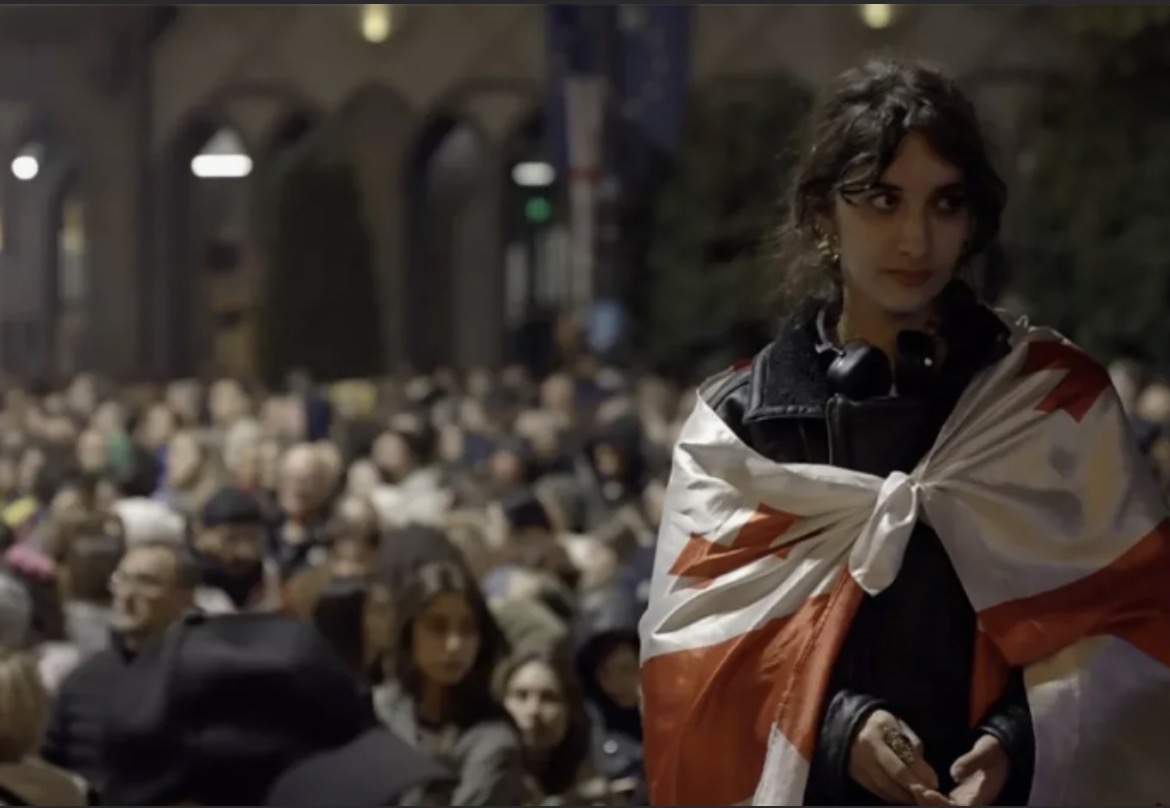
They officially consider themselves descendants of the legendary Kartlos, guardians of the Lord’s Chiton in Mtskheta, and a people belonging to the Mother of God (according to tradition, Saint Nino, who brought Christianity to Georgia, arrived carrying a cross made of grapevine—and grapes have been regarded as an almost sacred object ever since).
In the realm of tall tales, they say: "We are the oldest people in the Caucasus; all other mountain peoples are our younger brothers—though they haven’t realized it yet." There is even a messianic notion that Georgian is the language of Christ. And yet, for all their constant readiness to show off their lineage, Georgians are just as quick to undercut such claims with a well-timed, self-deprecating joke.
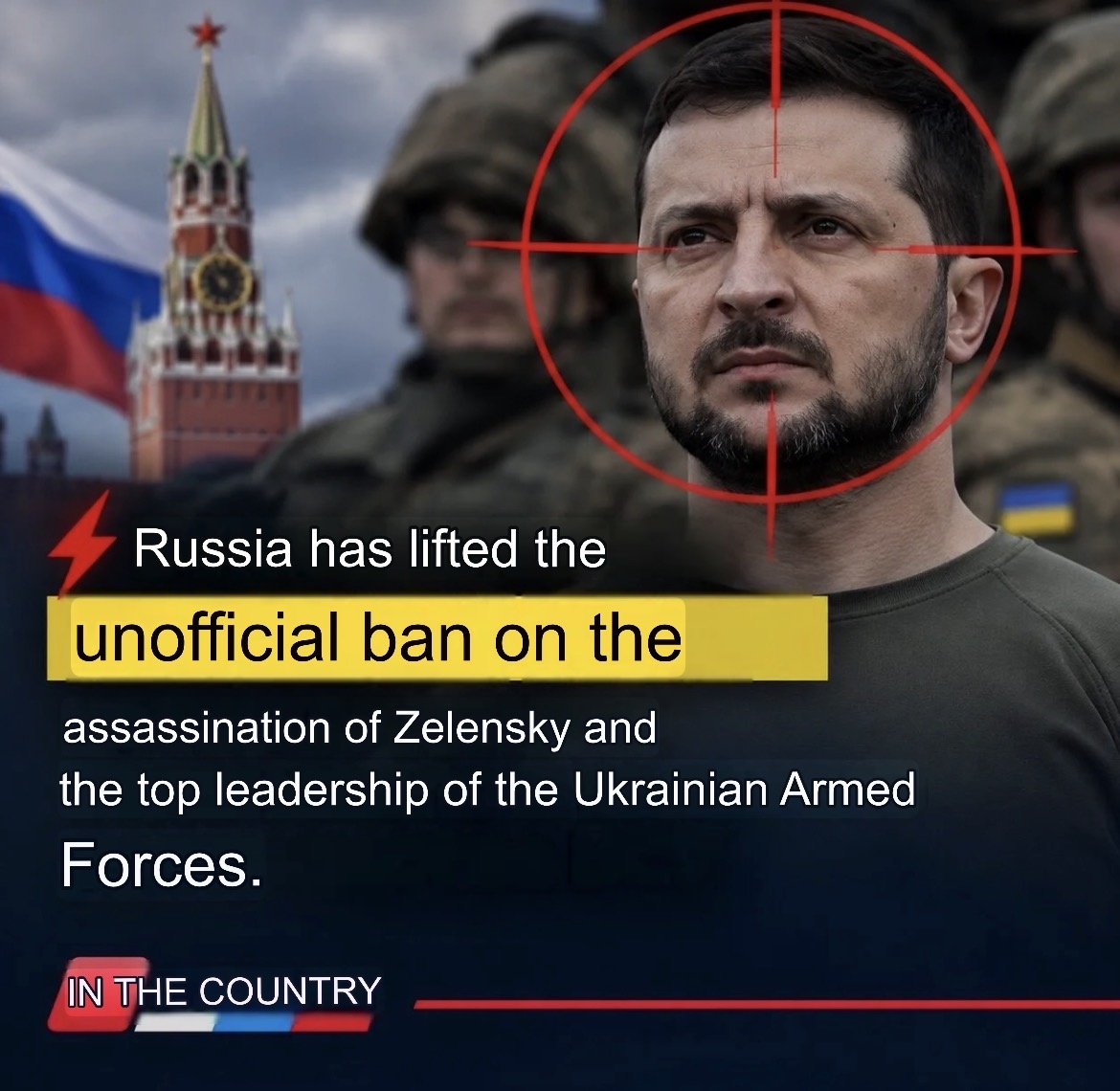
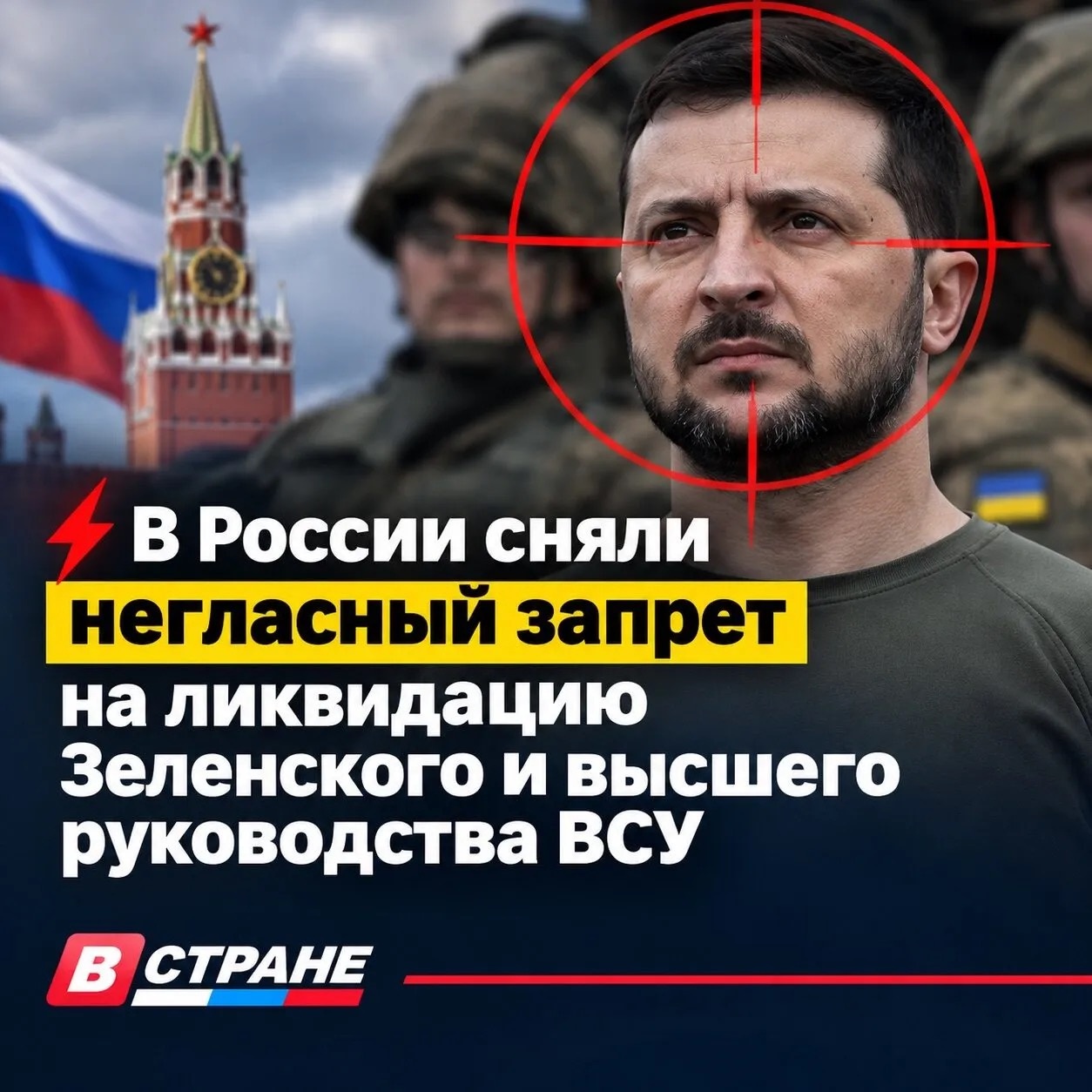
⚡️Russia has lifted an informal ban on the elimination of Zelensky and the top leadership of the Armed Forces of Ukraine
Russian media outlets and military-focused Telegram channels claim that a closed-door meeting of the Russian Security Council addressed the lifting of an informal ban on the physical elimination of Ukraine’s top leadership.
The initiative is reportedly linked to ongoing attacks on the Leningrad Region, including the port of Ust-Luga.
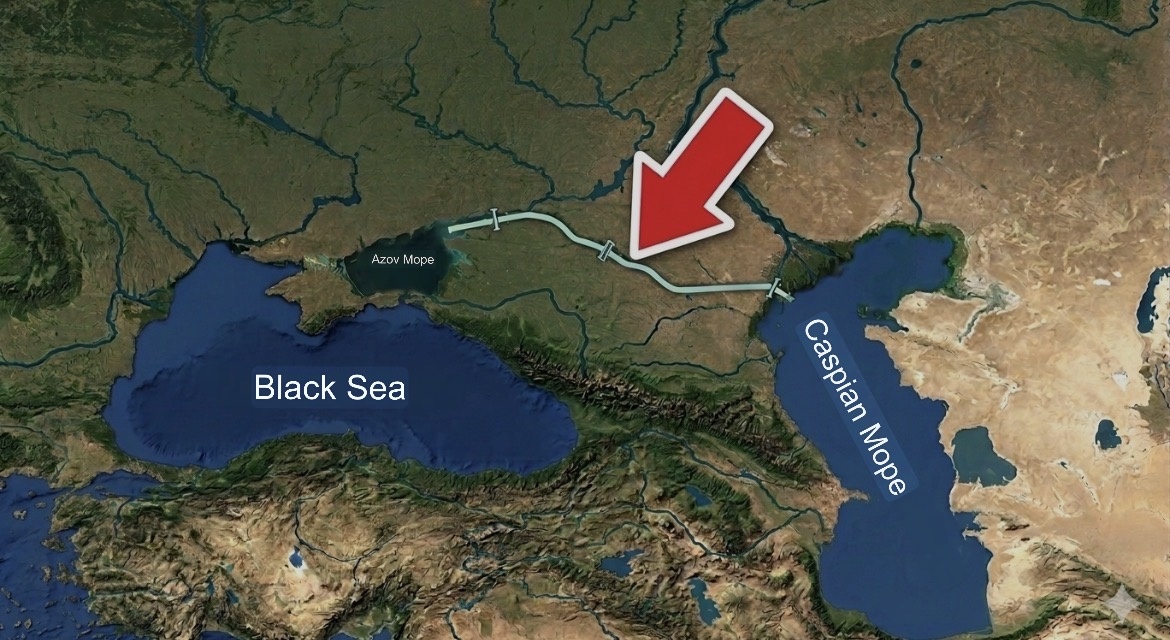
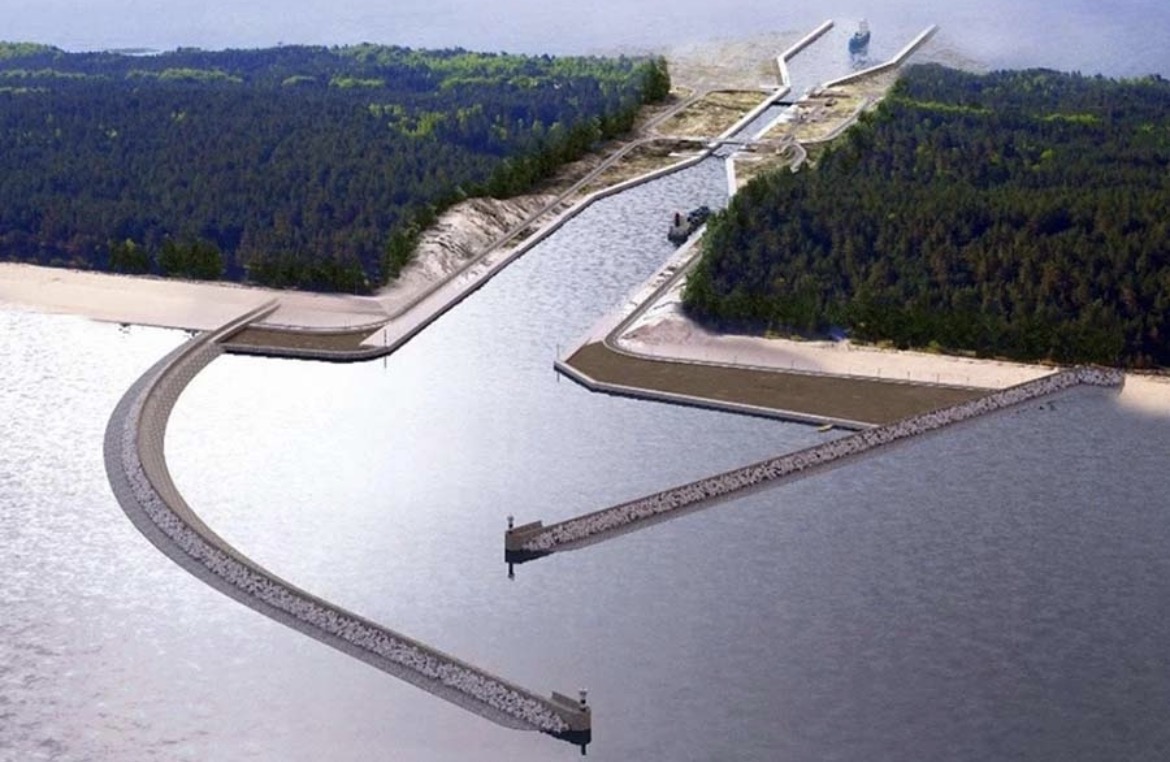
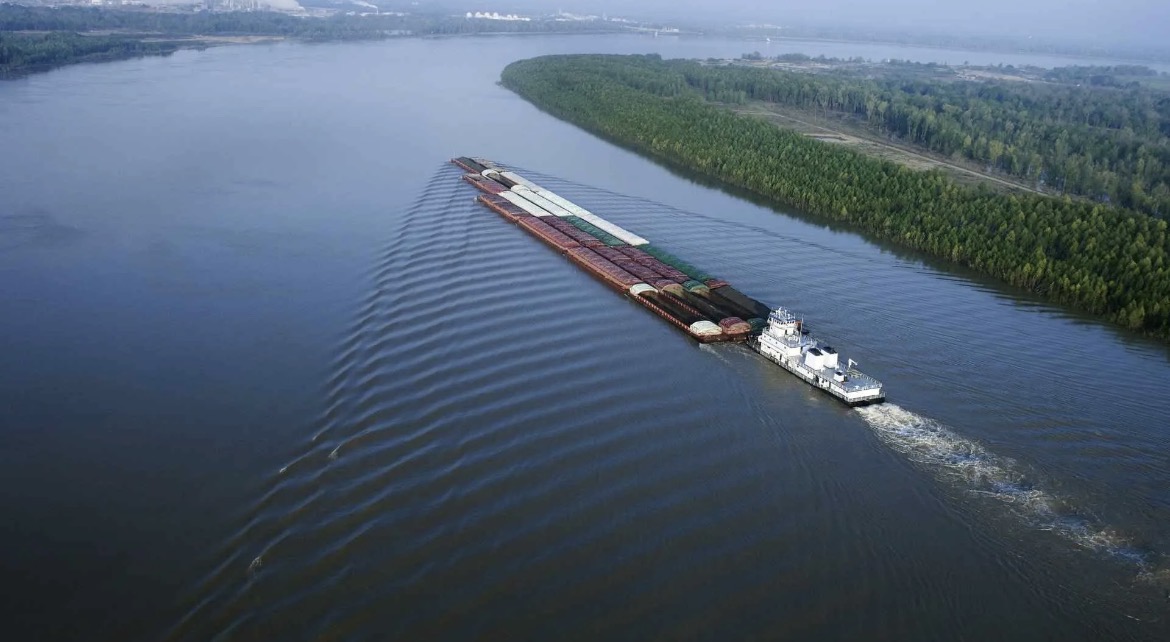
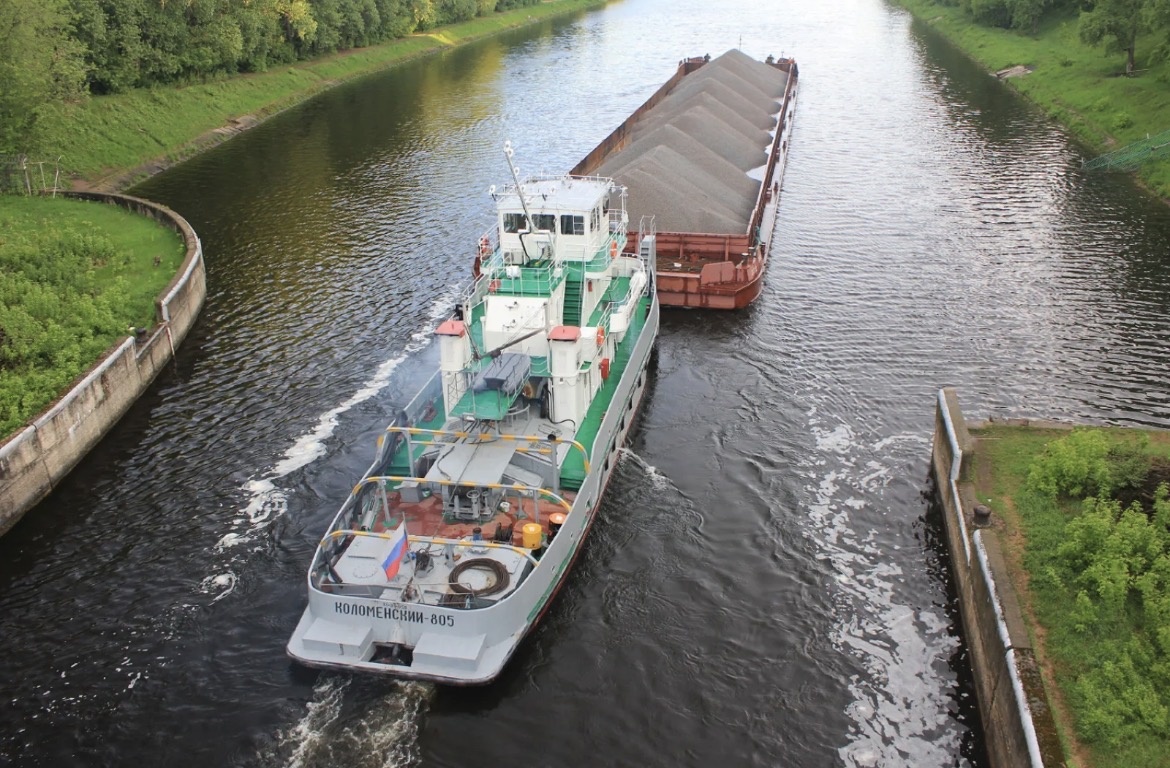
The idea of digging a navigable waterway between the Caspian and Black Seas is nearly six centuries old—it is believed that the Ottoman Sultan Selim II was the first to propose it, back in the 16th century.
Since then, the project has been revived and subsequently forgotten time and again, yet it has never progressed beyond the drawing board. We examine why such a long-standing and logical concept has never once been brought to fruition.
Centuries of discussion before an engineering project emerged
The route through the Kuma-Manych Depression—a narrow tectonic lowland between the Caspian and Azov Seas—was first proposed by the French naturalist Georges Buffon in 1757; two decades later, the idea was endorsed by the explorer of the Manych region, Peter Pallas.
It was not until a century later, between 1879 and 1882, that the concept took shape as a formal engineering project, thanks to the efforts of engineer M. A. Danilov. His calculations would go on to serve as the foundation for all subsequent generations of...
Kallas surprises once again with her grasp of history: remarks on Russia lead to an embarrassing moment on live air
Irish journalist Bryan MacDonald has criticized a statement made by EU foreign policy chief Kaja Kallas regarding the history of Russia.
The EU’s High Representative recently claimed that Moscow has no need for security guarantees, asserting that "no one has ever attacked" Russia.
"One has to wonder: what, then, were the French doing at Borodino in 1812, and the Germans at Stalingrad in 1942? I suppose that was just some sort of misunderstanding," the journalist wrote, with a touch of irony, on the social media platform X.
MacDonald also remarked, with a hint of mockery, that Kallas had "delivered another bombshell."
The EU’s top diplomat has frequently been the target of ridicule from experts worldwide due to her provocative statements and historically inaccurate commentary.
The Spanish newspaper El País wrote that Kallas is part of what is arguably the worst leadership...